Key Points of Feeding and Management During the Winter Fur Period in Mink Farming
The winter fur growth period of mink is from September to December. For young mink, by September, the skeletal growth period has passed, and the main focus is muscle growth and fat deposition, shedding summer fur and growing winter fur, and the reproductive organs have gradually begun to develop. Before October, the mink herd should be selected for breeding purposes so as to facilitate group-based feeding and management.
Feeding: The protein content in the daily ration can be appropriately reduced. For fur-use mink, the proportion of animal-based feed is generally 5%-10% lower than that for breeding mink. Costly feeds such as meat, liver, eggs and milk may be omitted, and various products such as small miscellaneous fish, various livestock and poultry offal, and rabbit by-products can be used in combination. However, the amount of protein feed containing sulfur-containing amino acids should be limited to benefit fur growth, such as fresh blood and feather meal. Grain-based feed in the daily ration should be appropriately increased, but should not exceed 30% of the daily ration. This can increase the fatness of mink raised for pelts, save animal-based feed, reduce costs, and increase pelt length. Mineral feed should be appropriately reduced. It is prohibited to use large amounts of feed rich in minerals such as rabbit skulls, rabbit skeletons and chicken skeletons, otherwise it is easy to cause hooked and bent guard hairs and reduce fur quality. Rabbit skulls, rabbit skeletons and chicken skeletons cannot exceed 30% of the animal-based feed. The amount of fat in the daily ration should be appropriately increased. In feeds mainly based on mixed sea fish, the amount of fat should be increased even more, so that it accounts for about 10% of the dry matter of the daily ration. If the fat content in the feed is still insufficient, vegetable oil can be added at 0.5-1 g/day/per animal. High-temperature-treated measly pork soup can also be used to mix the feed, so as to improve its fatness and the glossiness of the downy fur.
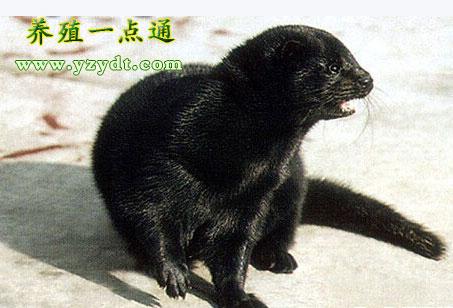
Management: The central task of management is to improve pelt length and the quality of the fur and downy hair.
Group management: Breeding mink are usually placed on the sunny side so that they receive sufficient light, which is beneficial to the development of the reproductive organs. Fur-use mink are raised on the shady side of the mink shed to avoid direct sunlight turning the downy fur brown. Increase bedding straw and do a good job of cage and shed hygiene. Damp and unclean small dens, excessive feces on the cage netting, and competition for food during feeding can easily cause the fur and downy hair to become contaminated and matted. Therefore, the small dens should be kept dry and free of contaminants, and no feces should be allowed to accumulate on the cage netting. When feeding, care should be taken not to let food contaminate the fur and downy hair, and bedding straw should be increased at the same time. Bedding straw not only has a heat-preserving effect, but also has the function of grooming the fur and downy hair. Starting from October, bedding straw should be increased and frequently replaced to keep the small dens dry and clean. Maintain clean and sufficient drinking water. Water shortage will affect the mink's metabolism and fur growth, so it should be frequently replaced and kept clean. Strictly control the feed and prevent disease from entering through the mouth. Do not feed sour, spoiled or deteriorated feed. Except for mixed sea fish, other freshwater fish and livestock and poultry offal must be steamed thoroughly before feeding. Establish and improve hygiene and epidemic prevention systems, regularly disinfect food bowls, grounds, cages and sheds, and regularly add preventive drugs to the feed.
For more farming techniques and entrepreneurial guides, please refer to the mobile version of Yangzhi Yidiantong at http://m.yzydt.com, or follow the WeChat public account: yangzhiuu.