How to Grow Chinese Holly in Pots: A Guide to Container Cultivation
[Introduction]Chinese holly, also known as tiger thorn, cat thorn, and bird's perch, is a fairly common landscape tree species, often used in garden design and urban greening. However, because Chinese holly has fairly high ornamental value, many people now also use it for bonsai art styling and container cultivation. Compared with Chinese holly grown in the ground, container-grown Chinese holly is easier to keep alive, and there are fewer things to pay attention to during cultivation.
Chinese holly was originally mostly used to decorate roads, parks, courtyards and other places, but now it can also be grown in containers, serving as an indoor potted ornamental plant to enhance the beauty of the home.
Introduction to Chinese Holly
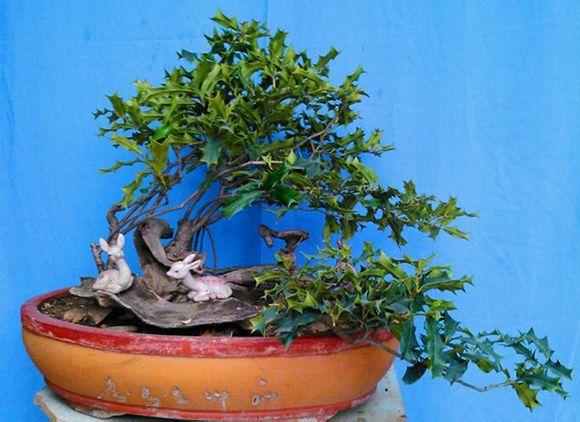
Chinese holly, also known as tiger thorn, cat thorn, and bird's perch, has a compact plant shape, peculiar leaf shape, bright green and glossy foliage, and stays evergreen all year round. After autumn, red berries cover the branches and do not fall through the winter, making it bright and lovely. It is an excellent species for foliage and fruit display, and is often used for Christmas decorations in European and American countries, which is why it is also called the "Christmas tree."
Common varieties include thornless Chinese holly, small-leaf Chinese holly, yellow-fruited Chinese holly, and spiny holly, among others.
Chinese holly can be planted in gardens or courtyards, and it also has the effect of resisting toxic gases, making it a greening tree species suitable for factory pollution areas. Its seeds can be pressed for oil to make soap. The bark can be used as a dye, and its leaves, roots, bark, and fruit can all be used as medicine, with effects of tonifying the liver and kidneys, nourishing qi and blood, dispelling wind-dampness, nourishing yin, boosting essence, and activating collaterals.
Notes on Growing Chinese Holly in Pots
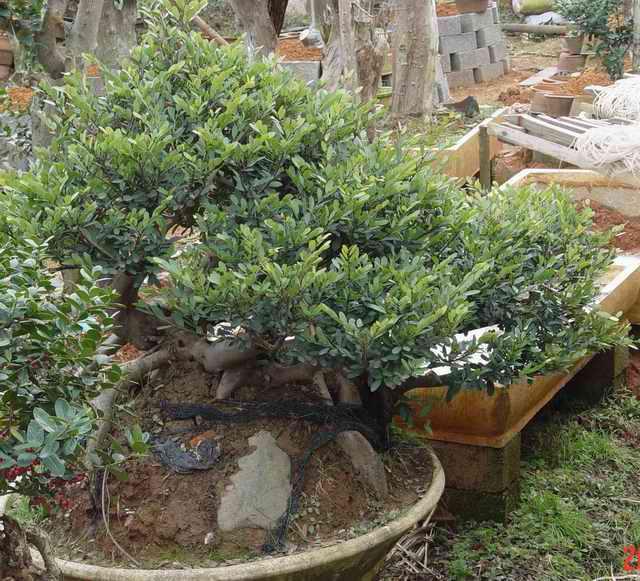
Habits: Chinese holly is an evergreen small tree or shrub of the genus Ilex in the family Aquifoliaceae. It prefers a warm, humid environment with plenty of sunlight, but it is also shade-tolerant and has a certain degree of cold resistance. For container cultivation, use slightly acidic soil rich in humus, fertile, and well-drained. Generally, repot before bud break in spring from February to March, water thoroughly after planting, and place in half shade for 2-3 weeks to let the plant recover. During high summer temperatures, strengthen ventilation, provide slight shading, and prevent exposure to fierce sun.
Environment: Chinese holly is shade-tolerant and should be placed in a shaded, humid environment for growth. In summer, it needs to be kept under a shade shed or under tree shade. In winter, it needs to be moved indoors to overwinter.
Watering: During the vigorous growth period, water frequently. Generally, keep the potting soil moist but not waterlogged. In summer, spray water on the leaves often to aid evaporation and cooling, and create a small environment with humid air so the leaves stay bright green and glossy.
Fertilizing: Generally, apply dilute cake fertilizer water once every 2 weeks in spring, apply a top dressing once a month in autumn, no fertilizing in summer, and fertilize once in winter. Generally, apply dilute alum fertilizer water once every 2-3 weeks, and note that the nutrients in the fertilizer solution should be comprehensive so that the leaves are lush and the fruit abundant.
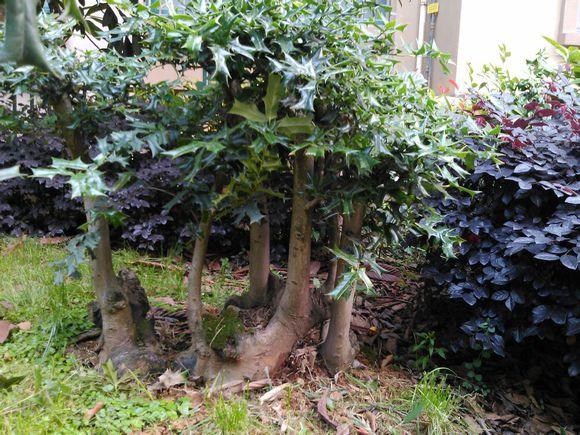
Pruning: Chinese holly has strong sprouting ability. Ordinarily, you can remove water shoots and newly sprouted branches at any time, and pick off excess buds to maintain a certain ornamental tree shape. To make Chinese holly fruit normally, according to its dioecious nature, you must cultivate both female and male plants at the same time, supplemented by artificial pollination, or use the branch grafting method to graft female branches onto some branches of a male plant, and you can also graft male branches onto a female plant.
Repotting: Chinese holly bonsai is usually repotted once every 2-3 years, often carried out in spring from February to March, or after autumn when the tree enters dormancy. When repotting, some old roots can be trimmed away, sufficient base fertilizer applied, 1/2 of the old soil retained, and the plant returned to the pot.
Pests and diseases: The main pests harming Chinese holly are psyllids and scale insects. Sometimes the branches and trunk develop sooty mold caused by psyllid damage. Bordeaux mixture can be sprayed, and lime sulfur mixture applied for prevention and control. When scale insect damage is severe, it can cause failure to fruit; spray 40% dichlorvos 1000-fold solution to kill them. Reasonable pruning and improved ventilation and light transmission can reduce pest damage.
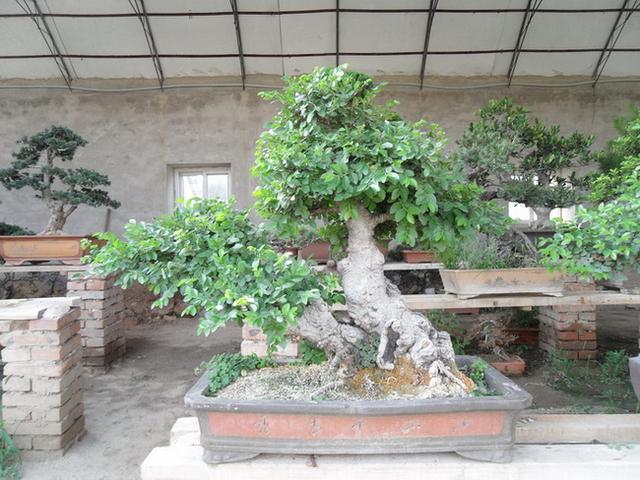
The above is the complete introduction to Chinese holly and how to grow it in containers. I hope the above introduction can help friends who are interested in growing Chinese holly in pots, so that the Chinese holly you grow stays healthy and grows well, and beautifies your home to the greatest extent.
Follow WeChat ID: ohohwx. Shared every morning around 9 a.m., listened to by tens of thousands of people.