How to care for a parlor palm? Detailed guide to care methods and the benefits of growing it
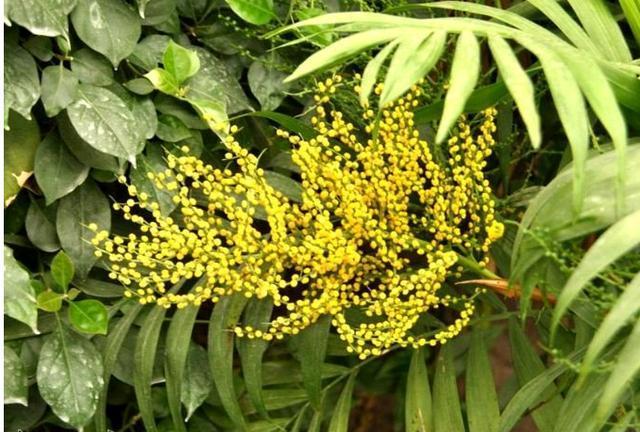
The parlor palm is also known as Chamaedorea elegans, bamboo palm, dwarf coconut, dwarf palm, parlor palm, lucky palm, parlor palm, and miniature palm. An evergreen small shrub, its potted height usually does not exceed 1 m. Its stem is upright, unbranched, dark green, with irregular markings on it. The leaves usually grow at the top of the stem, pinnately parted, with lanceolate segments, alternate, dark green, and glossy. They are 14-22 cm long and 2-3 cm wide. The bases of the top two pinnae are often fused into a fishtail shape. Young leaves are green, old leaves are dark green, and the surface is glossy, like a wax product. The spadix is axillary, with yellow flowers in small globes, dioecious. The male inflorescence is slightly upright, while the female inflorescence droops slightly when well nourished. The berries are orange-yellow. The flowering period is spring.
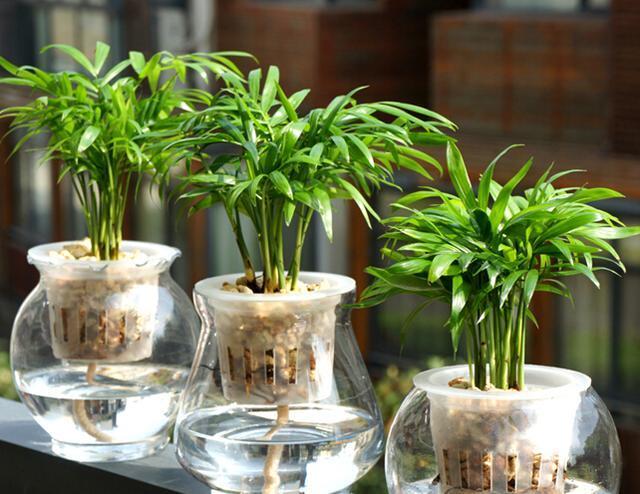
The parlor palm is native to northern Mexico and Guatemala. It likes high-humidity conditions, tolerates shade, and fears direct sunlight. Under strong sun, its leaf color will fade or turn yellow, and leaf scorch and black spots will occur. It dislikes dryness and is suitable for planting in loose, fertile soil with good drainage. The parlor palm has low requirements for cultivation and management. After being moved outdoors in spring, it should be placed in a shaded spot to avoid direct sunlight; bright light is enough. When the plant is larger, it should be repotted in time.
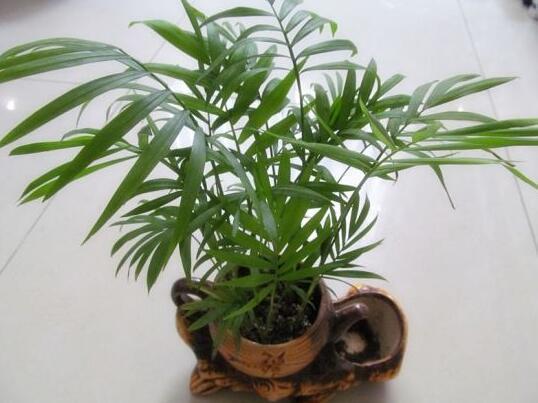
Care and management
Light: The parlor palm likes semi-shade. Under strong sunlight, its leaves will turn withered and yellow; if placed in a low-light spot for a long time, the plant will become leggy. Therefore, indoors it is best placed in a bright spot by a window.
Temperature: The parlor palm likes warmth. The suitable growing temperature is 18-24 degrees Celsius, and it enters dormancy at 13 degrees Celsius. In winter, it is best not to go below 10 degrees Celsius.
Watering: The parlor palm likes water. During the growing period, the soil should be kept moist. During the dormant period, wait until two-thirds of the potting soil is dry before watering. In addition, the parlor palm likes high air humidity. If it is too dry, the leaf tips will turn brown. Therefore, during dry periods such as spring, measures such as frequently spraying the leaves should be taken to increase the air humidity around the plant.
Fertilizing: During the growing period, a compound fertilizer can be applied to the plant once a month.
Potting soil: It is best to plant in soil with good drainage that is loose and fertile.
Greening and ornamental value
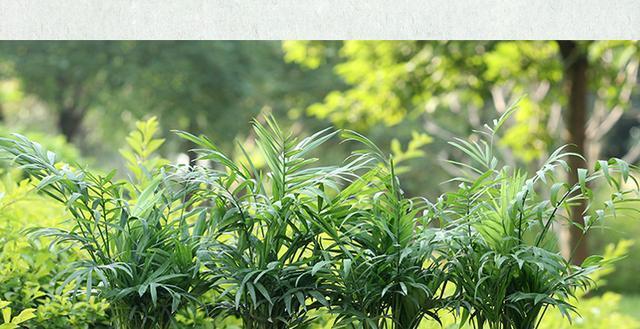
The parlor palm is petite and exquisite, with a beautiful plant shape, elegant posture, deep green and glossy leaf color, and flat leaves. A mature plant is umbrella-shaped, solemn and dignified, simple and elegant, with graceful leaves, lustrous and crystal clear, giving a feeling of sincerity and simplicity and full of vitality. It has high ornamental value.
Decorating the room
The parlor palm tolerates shade, so it is very suitable as a small to medium-sized indoor potted plant. Placed on a desk or tabletop, it is a treasure on the stand. It is also suitable for hanging indoors to decorate the space, which can add a tropical scenery atmosphere and charm to the room. Placed in a corner of the room or on a coffee table, it can add a lively feel to the room, making the interior show a charming tropical scenery.
Purifying the air
The parlor palm is the smallest coconut-type plant. Its plant shape closely resembles a tropical coconut tree, and its appearance is petite and novel. Placed indoors, it presents a unique tropical style. At the same time, it can purify benzene, trichloroethylene, and formaldehyde from the air, and has a certain bactericidal function. Its transpiration effect is high, which helps increase the indoor negative ion concentration. It can also enhance the humidity of the room, benefiting our skin and respiratory system. Because the parlor palm can improve indoor air quality, it is called a "high-efficiency air purifier" among living things, and is very suitable for placement indoors or in newly renovated rooms.