Everyday care for the lucky bamboo plant (Dracaena sanderiana): Have you paid attention to these 6 points?
The lucky bamboo plant has emerald green leaves and stays evergreen all year round. In winter, the green leaves paired with red berries look elegant and beautiful, carrying the wonderful meaning of eternal youth, health and longevity, lasting friendship, and good fortune. It is a very popular and excellent ornamental plant. So what are the care methods and precautions for the lucky bamboo plant? Let's take a look together below!
Care methods for the lucky bamboo plant
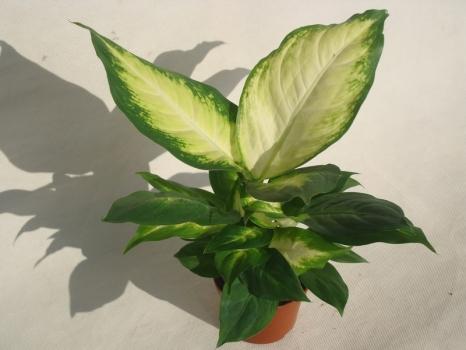
1. Soil requirements
It is best to use sandy loam rich in humus as the growing soil. Keeping the soil pH between 6 and 6.5 is more helpful for it to fully absorb nutrients. The soil should be loose, fertile and well-draining.
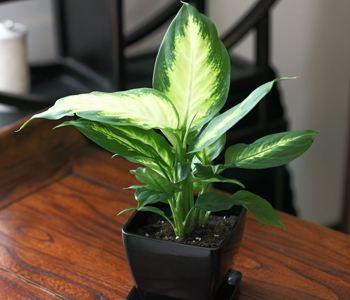
2. Environmental requirements
The lucky bamboo plant likes a semi-shaded, warm and ventilated environment, so the temperature generally must be kept above 10°C. Except for the cast iron plant (Aspidistra elatior), which is slightly more cold-tolerant, all other varieties need to be kept between 10°C and 32°C. In winter it can be kept in full sun. Avoid overly strong sunlight, but too dark a light level will also cause the leaves to fade.
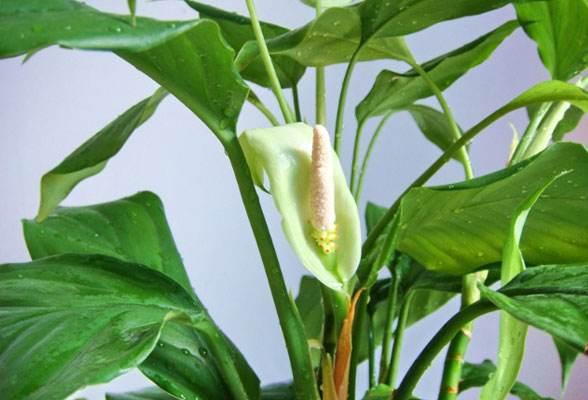
3. Watering requirements
The lucky bamboo plant likes moisture and is not drought-tolerant, but it is best to water only when the surface of the potting soil is dry. Too much waterlogging will rot the roots (the roots are generally fleshy). In drought, it may wilt due to high transpiration. In summer, it needs frequent sprinkling to increase environmental humidity.
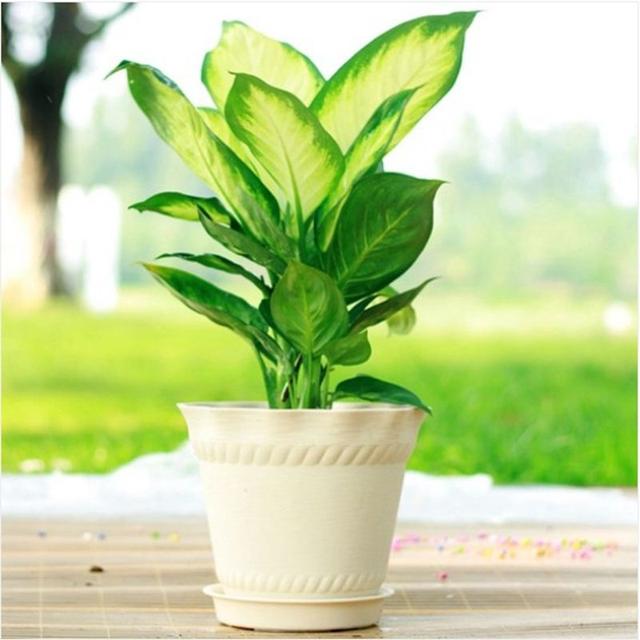
4. Fertilizer requirements
Fertilizing generally starts in spring when the temperature rises to 18°C. During the growing season, apply nitrogen fertilizer monthly to promote rapid growth. From March to August, apply fertilizer water once every two weeks. No fertilizing is needed during high summer temperatures or low winter temperatures, and fertilizing should be reduced after autumn.
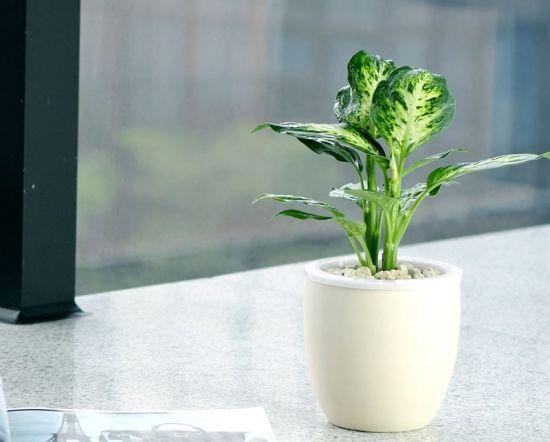
5. Timely pruning
If you want the lucky bamboo plant to grow well with green leaves, promptly clean and wipe the dust off the leaves. In addition, if leaves turn yellow or scorched, prune them promptly to avoid needlessly consuming too many nutrients.
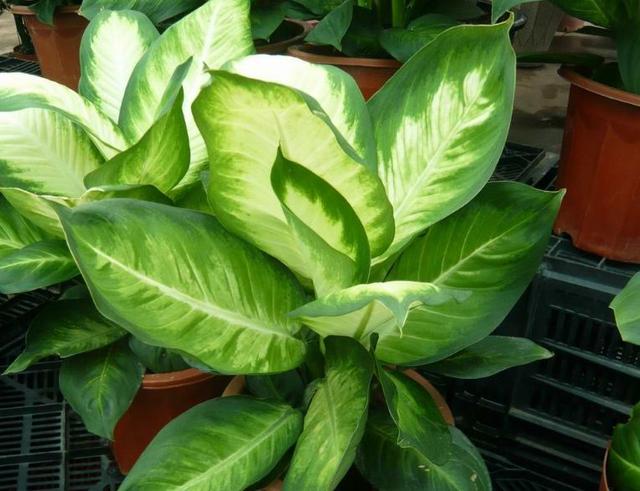
6. Repotting at the right time
After two years of cultivation, repot the lucky bamboo plant once in spring, combining repotting with division. When repotting, remove some of the old soil and cut off the aged rhizomes, then replenish with a growing soil mixed evenly from 5 parts garden soil, 4 parts leaf mold and 1 part sandy soil. In addition, around the Start of Summer, several old leaves around the outer edge of the mature plant should be cut off to encourage the sprouting of new buds, new leaves and the emergence of flower stems. During overwintering, keeping the indoor temperature above 5°C is enough for it to overwinter safely.
Precautions for caring for the lucky bamboo plant
1. The lucky bamboo plant is a fleshy-rooted plant. Water accumulation easily leads to waterlogging, and too much watering easily causes root rot.
2. If the lucky bamboo plant shows yellowed and scorched leaf tips in winter, or even the whole plant withering, it is mainly caused by the roots being unable to absorb water, which affects growth.
3. When growing the lucky bamboo plant indoors, maintain temperature, humidity and a semi-shaded environment. In summer, when growth is vigorous, it must be placed in a shaded spot to avoid strong light exposure; otherwise, it easily causes dry leaf tips and scorched leaf edges, affecting the ornamental effect.