Hydrangea Growing Methods and Precautions, Pleasing to the Eye and Refreshing to the Mind as a Home Flower
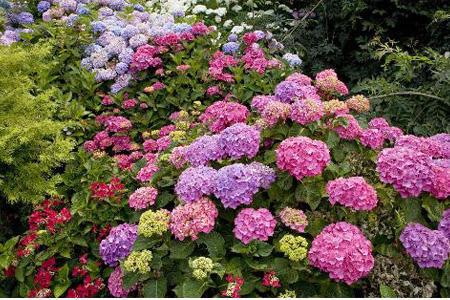
Hydrangea macrophylla, also called hydrangea, is a famous ornamental flower. The hydrangea has large and beautiful flowers with diverse colors, and is delightful to admire, truly a treasure among ornamental flowers. So as a potted hydrangea, how should it be cared for!
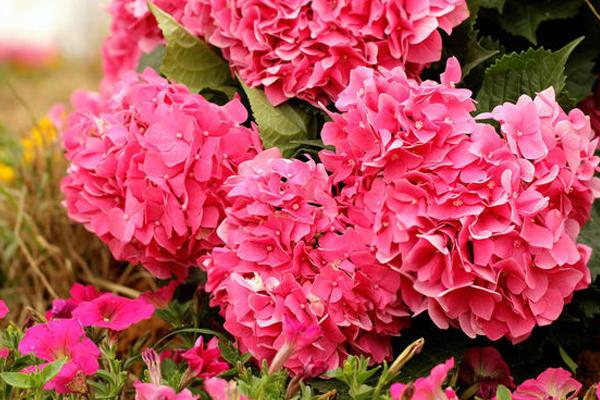
Hydrangea Growing Methods
Soil Selection
In early spring, move the small hydrangea seedlings into pots; before that, prepare the flower soil well. There are three methods:
Mix leaf mold, garden soil, river sand and cake fertilizer in a 4:3:2:1 ratio.
Or mix compost soil, sandy soil and cake fertilizer in a 4:5:1 ratio.
Or a mixed soil of leaf mold, sandy soil (or furnace ash residue) and cake fertilizer in a 6:3:1 ratio.
(The above materials can be taken from nature; if you cannot find them, you can only go to the flower market to buy them.)
Fertilization Method
Hydrangea likes fertilizer. During the growing period, apply cake fertilizer once about every 15 days. At the bud stage, topdress 1~2 times, mainly with soaked superphosphate solution, to promote large flowers and vivid colors.
Of course, fertilization also has another important function: harmonizing the soil. Hydrangea likes acidic soil, but the water at home is neutral, and long-term watering will lower the soil acidity, so when fertilizing, an appropriate amount of ferrous sulfate can be added to make it into alum fertilizer for watering, increasing the soil acidity.
Watering Method
Hydrangea leaves are thick and fleshy, and the flowers are large and gorgeous, so it needs more water. But hydrangea has fleshy roots, and water must not accumulate in the pot, as this easily causes root rot. Look at the watering requirements of hydrangea at different stages:
In spring and summer, water frequently to keep the pot soil moist, especially during the high-temperature period of midsummer, water once in the morning and once in the evening, and pay attention to providing appropriate shade at noon.
From May to August, in addition to watering, it is also necessary to spray water on the leaves.
After September, the weather gradually becomes cooler, so reduce the amount of water to promote sturdy branches and promote dormancy. In winter dormancy, reduce watering (if you can avoid watering, then do not water), and keep the pot soil slightly moist.
Light Requirements
Hydrangea likes shade and does not like sun. In spring, when moving it outdoors, it should be placed in a semi-shaded place for care. In midsummer, place the plant in a well-ventilated shaded place to prevent sunburn. After September, the light gradually weakens, so place the plant in a bright place to promote flower bud differentiation!
Temperature Requirements
The most suitable temperature for hydrangea growth is 18~28°C, and in winter it cannot be lower than 5°C. After flower bud differentiation, place it in a 5~7°C environment for 6~8 weeks and it can bloom. After blooming, raise the temperature and keep it stable at around 16°C to extend the flowering period. During the flowering period, the temperature cannot be too high, as it easily makes the flowers fade.
Precautions
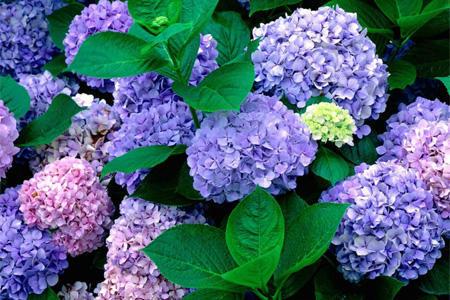
Hydrangea likes acidic soil and is not tolerant of barrenness. It grows poorly in alkaline soil, with yellowing branches and leaves. The flower color is also affected by the pH of the soil.
In early October, move the plant indoors for care, control water appropriately, and keep the temperature at 5°C to promote dormancy. Before moving it indoors, remove part of the leaves to avoid rotten leaves and infection by pathogens.
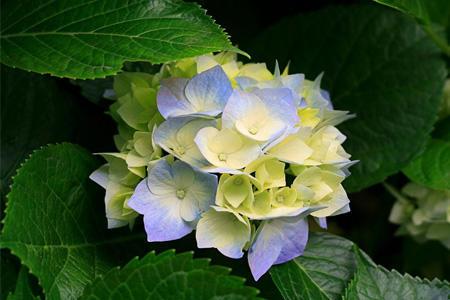
During the growing period, it is usually necessary to pinch the tips twice to promote branching. After flowering, shorten the old branches to control the height of the plant. Before winter, cut the plant short again to help it overwinter.