Crayfish farming may seem simple, but only by sharing experience can everyone win together
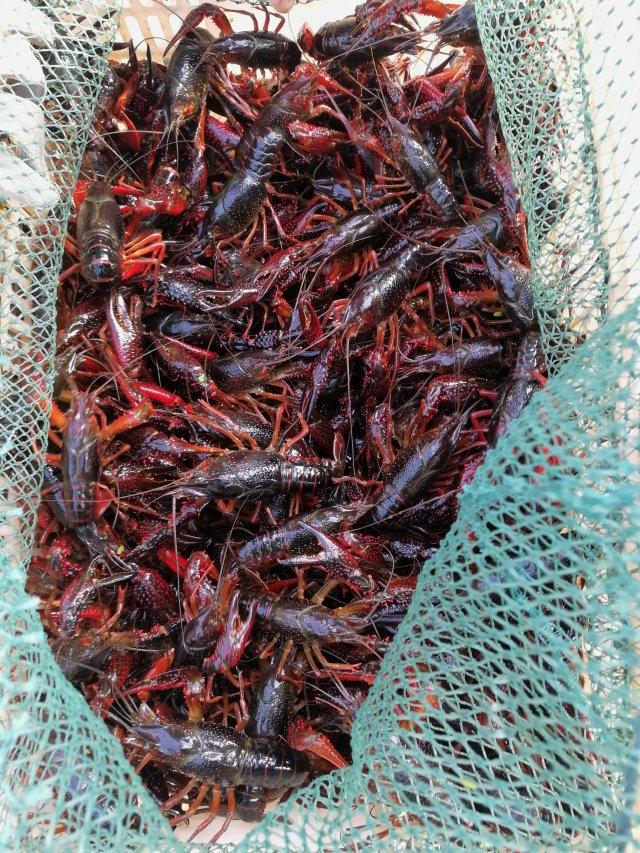 If someone says crayfish can be farmed even in a stinking ditch, who knows who said that. First of all, water is the source of life, and any farming model that does not pay attention to water quality will eventually fail. Many people see what sells well and makes money and then go farm it. When tilapia prices are good, a whole crowd farms tilapia; when crayfish sell well, this year they all go farm crayfish. We should not simply farm whatever the market demands; first of all, we need to know what we are capable of farming well.
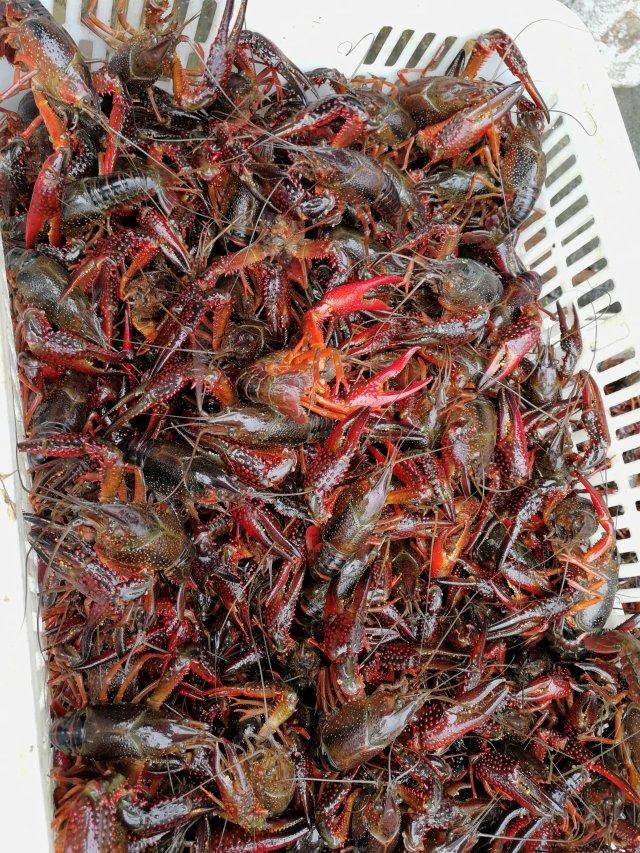
To farm crayfish, the first step is to choose a good site, and water source is an important condition for site selection. Some are outdoors, and some choose indoors. Either way, only by ensuring water quality can farming succeed. Crayfish will leave the water at night or on rainy days and climb up slopes to escape, so fencing work must be done well. Plant aquatic plants in the pond. Common aquatic plant species include Elodea, Hydrilla verticillata, hornwort, Vallisneria, wild rice stem, water hyacinth, alligator weed, duckweed, and common duckweed, among others. Choose according to your own conditions. Maintaining a water temperature of 20-30°C is most suitable for crayfish growth.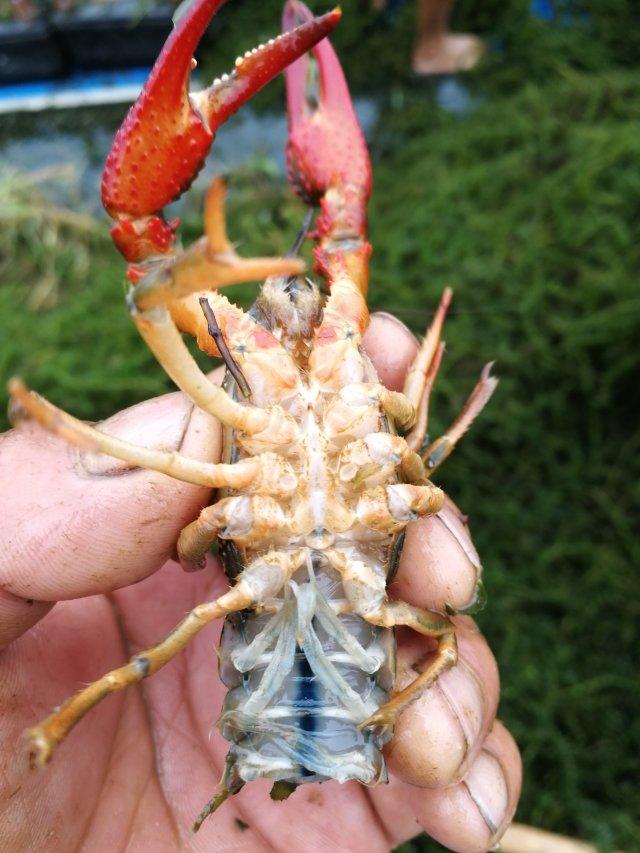 Before stocking the seedlings, use quicklime to clear the pond of miscellaneous fish, frogs, snakes, and so on. Farming crayfish cannot be bound by convention; only by seeking out peers to exchange experience can everyone win together. Do not cling to your little bit of technique, not realizing you are already a frog at the bottom of a well.