How to Grow and Care for Gladiolus (Sword Lily): Methods and Precautions
Hezhou Peony - Gladiolus (Sword Lily): How to Grow and Care for It
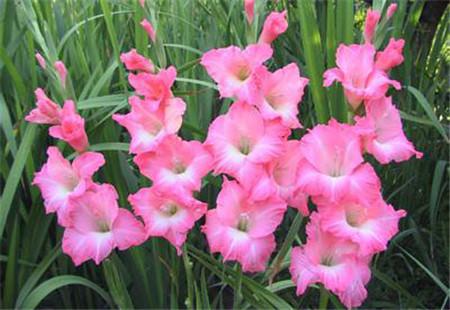
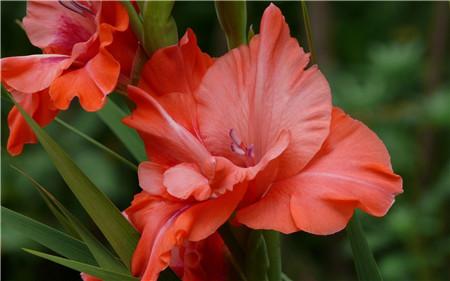
Gladiolus is what we commonly call the sword lily, and its dwarf varieties can be grown as potted ornamental plants. Along with roses, carnations and gerberas, gladiolus is known as one of the four major cut flowers. Grow a pot at home and you can save all the money you would spend on buying flowers! Below, the editor will introduce the growing methods and precautions for gladiolus!
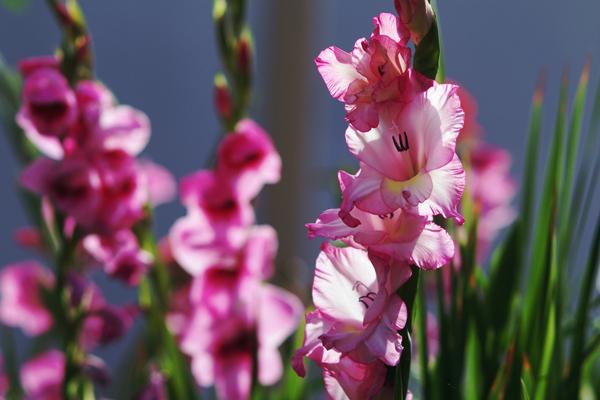
Choosing Soil and Pots for Gladiolus
When growing gladiolus, choose sandy soil with a deep soil layer and good drainage that does not easily become waterlogged.
For pots, it is best to choose unglazed clay pots or plastic pots with holes in the bottom. For better air circulation, it is best to use a shallow pot, with the pot height smaller than its diameter. Never casually buy just any pot - that kind of style will not grow flowers well.
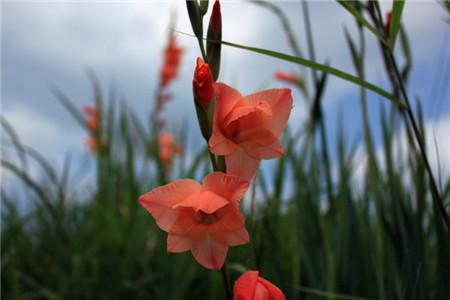
How to Water Gladiolus
Gladiolus seedlings should be watered once every 10 days to keep the potting soil moist and prevent the leaf tips from turning yellow. After flowering, water should also be replenished in time. In summer, when the weather is hot and water evaporates quickly, you can water once every 4 days. After flowering, proper water control can extend the flowering period.
When watering, the amount of water must be strictly controlled. Too much water or waterlogging easily causes root rot, while lack of water causes the flower stems to wilt, and improper watering will also affect the plant's appearance.
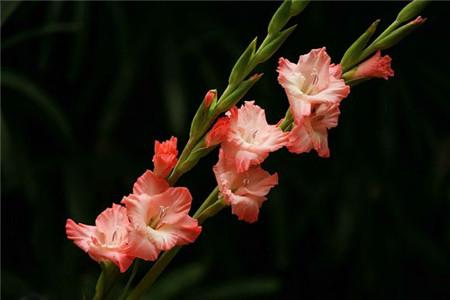
How to Fertilize Gladiolus
Gladiolus is a flowering plant that loves fertilizer, so after planting, it should be top-dressed in time. Usually, apply well-rotted liquid fertilizer 3~4 times a month, pay attention to the nitrogen content, and add phosphorus and potassium fertilizer to increase the rate of flower bud differentiation.
After flowering, superphosphate can be chosen as a top dressing to promote vigorous corm growth.
In addition, newly planted seedlings should be fertilized three times: the first when 2 leaves have grown, the second when 4 leaves have grown, and the third after flowering. After the flowers fade, take out the bulbs in time, sun-dry them and store them.
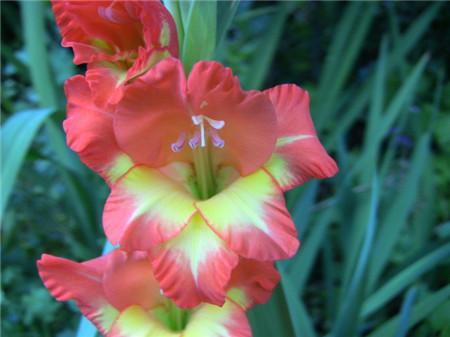
Temperature Requirements for Gladiolus
Gladiolus usually blooms about three months after planting, but its growth process is greatly affected by temperature. During the growing period, the higher the temperature, the faster the growth, though it must be kept within a certain range. For example, at 12°C, flowering takes 110~120 days; at 15°C, it takes only 90~100 days; at 20°C, it takes 70~80 days; and when the temperature reaches as high as 25°C, it takes only 60~70 days.
Light Requirements for Gladiolus
Gladiolus loves sunlight. With more than 14 hours of light per day, flower bud differentiation will be much better. After flower bud differentiation, appropriately reducing the light duration can promote flower bud growth and earlier flowering.
Precautions for Growing Gladiolus
The most suitable temperature for gladiolus growth should not exceed 27°C, especially in summer. When the temperature is too high, ventilate and cool it down in time, lest excessive heat causes the plant to grow weakly.
Gladiolus is a bulbous plant, so after flowering, the bulbs must be protected without delay. When the leaves begin to turn yellow, dig out the bulbs, dry them in the sun and store them.
The copyright of this article belongs to Huabaike. If you need to reprint it, please indicate the source.