How to grow yew so it stays beautiful and vigorous for a long time
The yew is a globally recognized rare natural anti-cancer plant on the verge of extinction. At the same time, the yew can continue photosynthesis under low light, absorbing carbon dioxide and releasing oxygen, so the yew is called the "health tree" and the "auspicious tree."
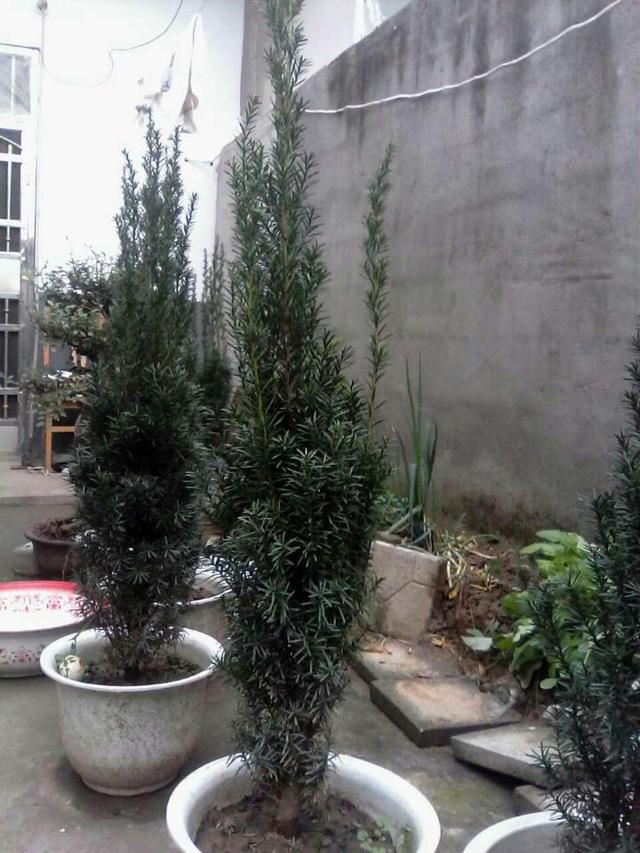 At present, there are three major lines of yew in China: mainly the southern yew, the northeastern yew, and the Media yew. Among them, the Media yew has the highest paclitaxel content and strong adaptability, and this is the yew that the editor will focus on introducing here.
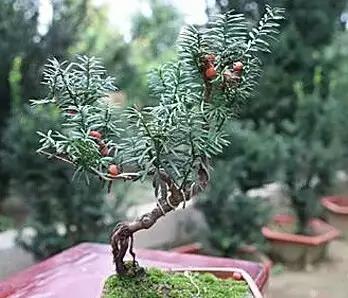 Many flower enthusiasts who grow yews find that at first the leaves are emerald green and beautifully pleasing. But after growing them for a while, the leaves become dull and lusterless, even turn yellow, until they drop and the plant dies. When growing yews, as long as you pay attention to the following points, your yew will maintain vigorous growth, with thick, deep green leaves that are a delight to the eye.
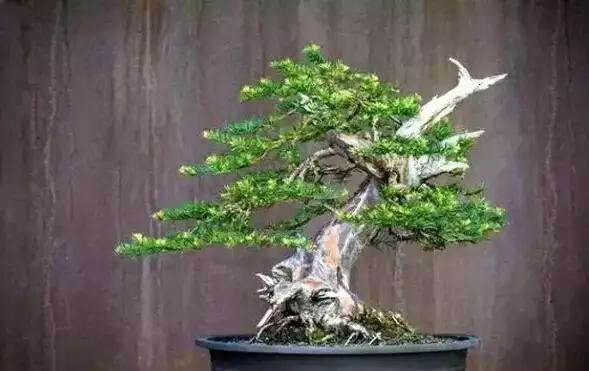 1. Choosing potting soil. Yews like loose, slightly acidic soil. Many growing enthusiasts like to directly use garden soil for potting, but because the volume of a pot is limited, over time the nutrients in the potting soil are continuously absorbed, causing fewer and fewer nutrients in the soil, the soil to become compacted, and aeration to worsen. Coupled with poor plant nutrition, disease resistance declines, and gradually the leaves turn yellow and dull, and finally the plant weakens and dies. Therefore, for potted yews, use culture soil. You can buy culture soil on the market, or mix your own. Here is an introduction: use crushed coal briquette slag, add 1/3 garden soil, 1/3 coarse sand, and a little fermented cake fertilizer (fermented soybean residue can be used), stir evenly, and it is ready to use. Usually pay attention to watering, watering when dry and stopping when wet. Generally, one batch of soil can be used for two years. Do not use tea water for irrigation.
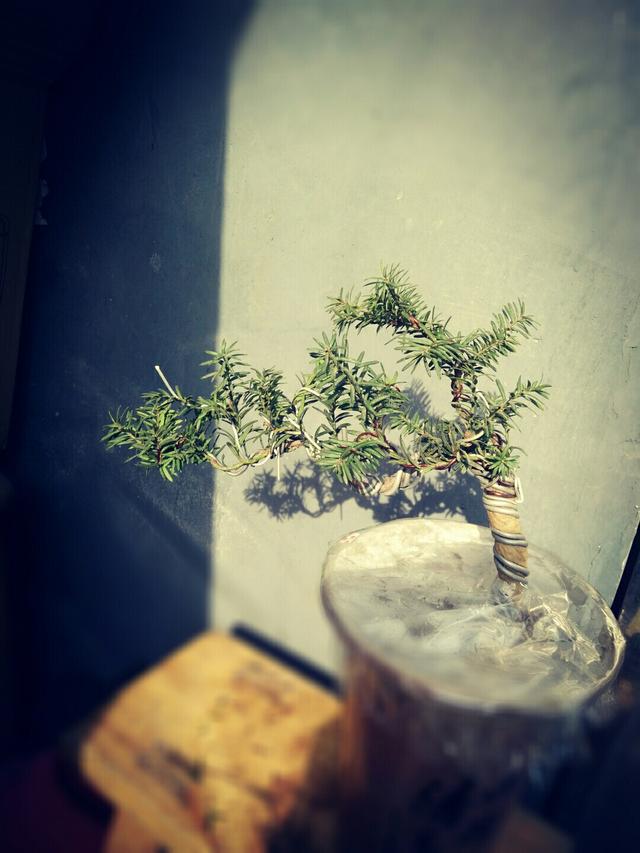 2. Pay attention to light. The growth of all things depends on the sun, and light is the source of the growth of all things. Yews like light and are also shade-tolerant. Therefore, yews can be grown indoors, but every day they should also be moved to a place where they can receive sunlight for a certain amount of light, preferably 2-3 hours. Only in this way can yew leaves be thick, deep green, and healthy. Otherwise, they will become dark, the leaves thin and curled, and the internodes longer, losing their ornamental value.
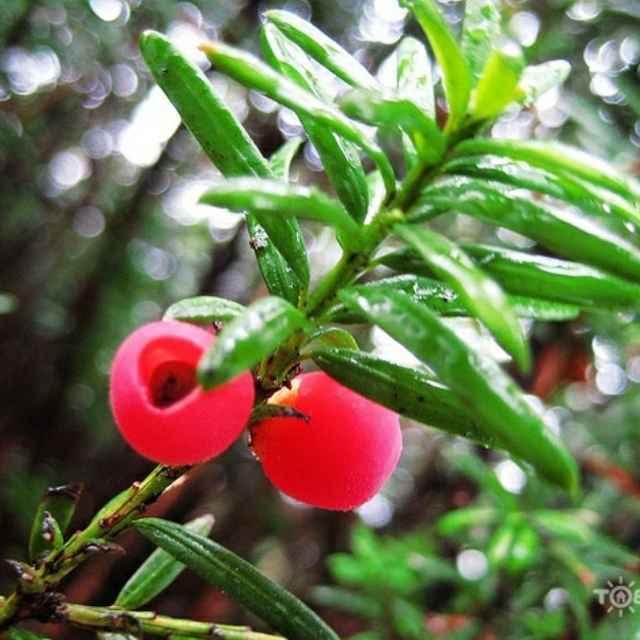 3. Pay attention to temperature. Yews are cold-resistant (here referring to the Media yew or the northeastern yew). Many yew enthusiasts, out of care, often like to place yews indoors with heating in winter, or in a greenhouse, and the effect is often the opposite of what is desired. Although the yew is an evergreen tree species, it also needs winter dormancy to rest and recuperate. If the winter temperature is too high, it is not conducive to yew dormancy, which will affect growth the next year, or even cause death. (A yew that has not undergone dormancy will be slow to sprout in the spring of the next year.) Therefore, in winter the yew must experience a certain period of low temperature; more than ten degrees below zero will not affect the growth of the yew. On the contrary, only after experiencing low temperature can it sprout early and send out branches early the next year, ensuring healthy growth of the plant.
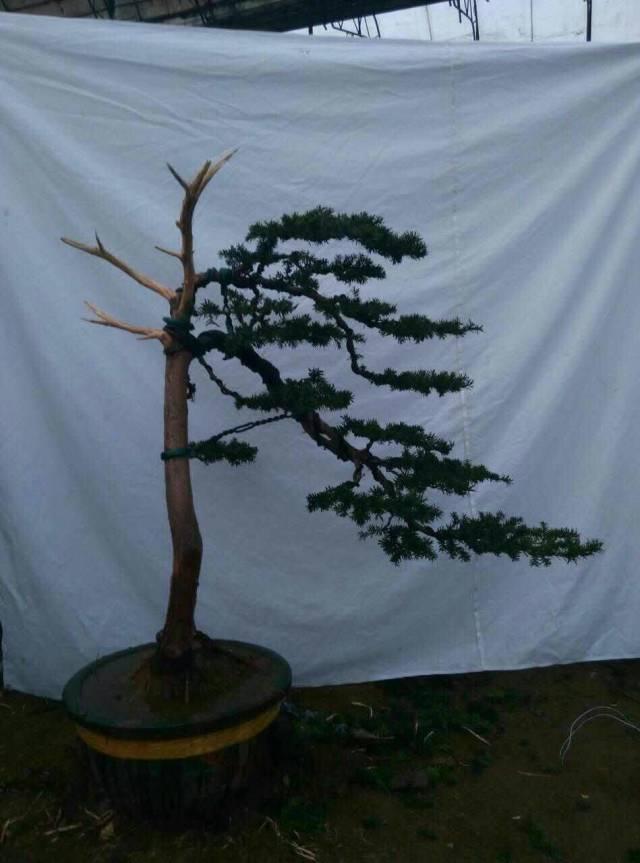 How about it? Have you done all of the above? For more knowledge about growing yews, please follow the editor's Toutiao account, and the editor will provide you with more growing services.