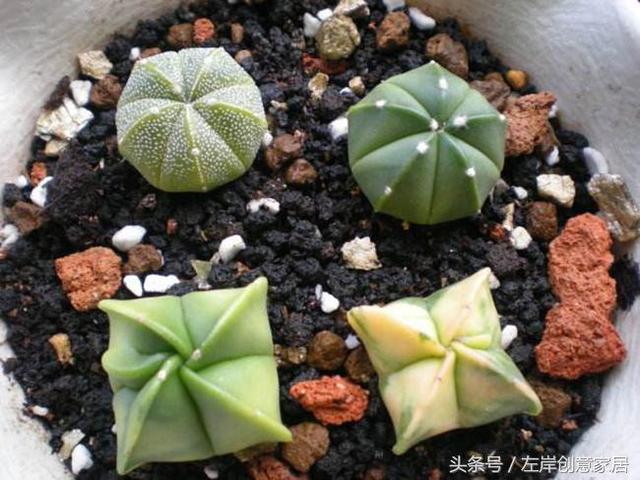
How to grow the succulent Astrophytum myriostigma? Cultivation methods and precautions
Astrophytum myriostigma (Cactaceae)
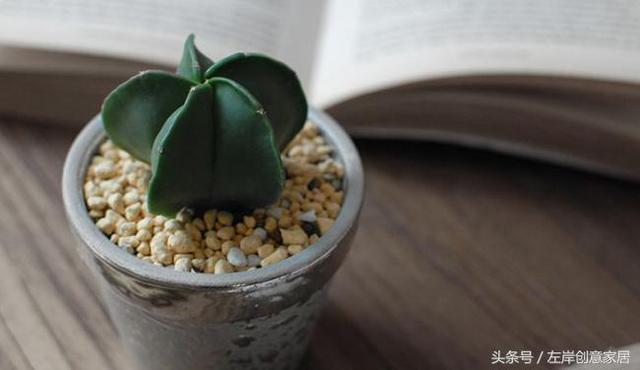
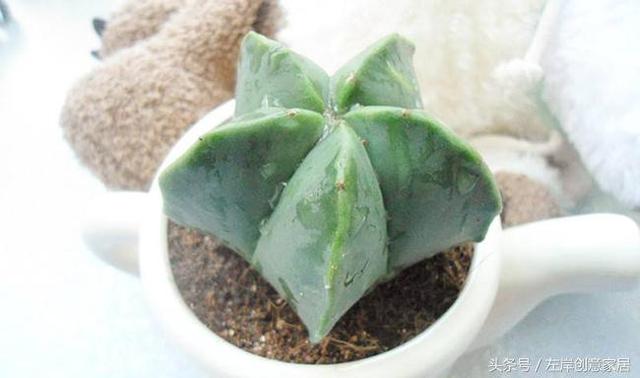
Astrophytum myriostigma is a perennial succulent herb of the Cactaceae family, genus Astrophytum, native to the central Mexican highlands. When mature it becomes columnar and is regarded as a prized specimen eagerly collected by botanical gardens and succulent enthusiasts, with high horticultural ornamental value.
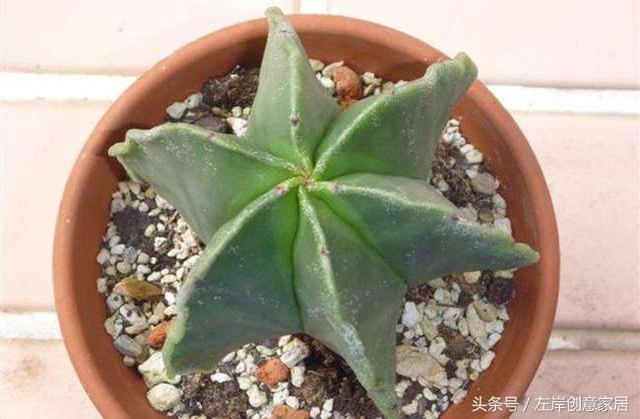
Growth habits of Astrophytum myriostigma
Astrophytum myriostigma prefers a warm, dry environment with plenty of sunlight. It is somewhat cold-tolerant, drought-tolerant, slightly tolerant of semi-shade, and also tolerates strong light, but fears waterlogging. During the growing period, give it ample light; if light is insufficient, the white flecks on the plant's surface will fade, and the red color of red-leaf Astrophytum myriostigma will become paler. Relatively speaking, the pure green 'Hakuun' type of Astrophytum myriostigma is slightly more shade-tolerant, but long-term insufficient light will also make the fleshy stem thinner and affect its ornamental value. The optimum growing temperature is 18-25°C, and the winter temperature should not be lower than 5°C.
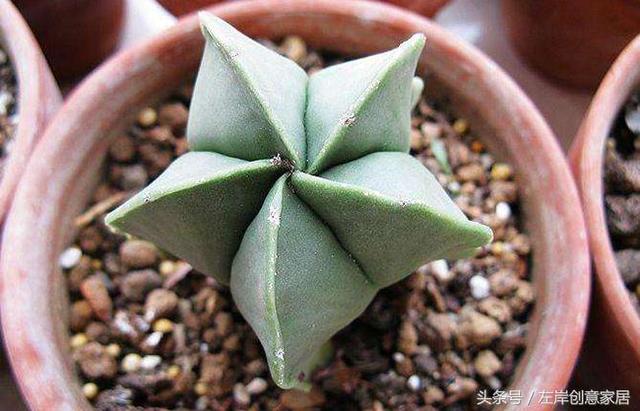
Propagation methods of Astrophytum myriostigma
Astrophytum myriostigma cultivation usually uses cutting propagation. Apart from the hot, humid period of midsummer, it can be done throughout the year and roots easily, with spring and autumn being the most suitable. Generally, after the full-bloom period, combined with shaping and pruning, select vigorous current-year branches as cuttings, remove one segment of leaves, and insert them into plain sand or similar loose medium. Keep warm and humid, provide light shade, and they will take root. Transplant in time, and Astrophytum myriostigma can bloom the following year
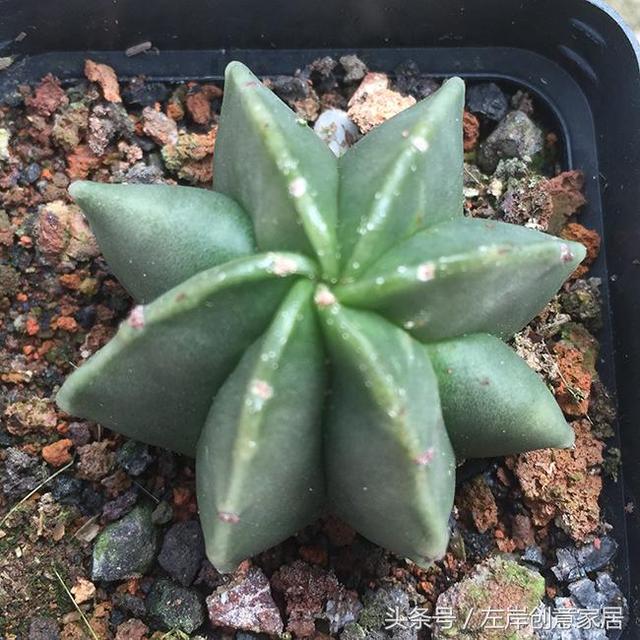
Cultivation methods of Astrophytum myriostigma
1. Soil:
Astrophytum myriostigma has no strict soil requirements and can grow normally within a range of soils. In cultivation, to ensure product quality and yield, it is best to choose fertile loam with strong fertilizer and water retention for planting.
2. Temperature:
Astrophytum myriostigma prefers a mild, humid climate and well-ventilated environmental conditions. In hot weather, avoid strong winds and place it in a cool, ventilated environment to prevent pest and disease damage. When it turns cold in late autumn, move potted plants indoors for cultivation, let them receive full light, and re-prune and trim plants that have finished blooming.
3. Fertilizing:
Astrophytum myriostigma has little demand for fertilizer. During the growing season, apply a dilute fertilizer solution once a month; better too weak than too strong. In winter, if only room temperature can be maintained, stop fertilizing and keep the potting soil slightly dry so the plant can overwinter safely.
4. Watering:
For Astrophytum myriostigma, from the seedling stage onward, water little but often, especially in hot, dry weather, and take care to keep the potting soil moist. In addition, when sunlight is ample, do not pour water directly onto the small globular body, to avoid sunburn spots on it.
Main value of Astrophytum myriostigma
Astrophytum myriostigma is a famous representative species of the genus Astrophytum in the Cactaceae family, native to Texas in the United States. Astrophytum myriostigma can undergo certain intergeneric hybridization, and the original species has many variant types. Some countries have done a great deal of work in breeding these two varieties, such as Japan's selected 'Super Kabuto', 'Yamamoto Kabuto', 'Kikkou Kabuto', 'Hanazono Kabuto', as well as 'Onzuka Astrophytum myriostigma', 'red-leaf Astrophytum myriostigma' and so on, and China's selected 'Kabuto nishiki', 'Hekataogyoku' and others.
This shows that its horticultural value is relatively high, and its ornamental value is equally high. It is a prized specimen eagerly collected by botanical gardens and succulent enthusiasts. Because such plants have a very low propagation coefficient and relatively great variability, preserving the various horticultural varieties is very difficult. Using tissue culture methods may be an effective way to solve the propagation and germplasm preservation of the various horticultural varieties of Astrophytum and Astrophytum myriostigma, and it also has significance for protecting endangered plants. No reports of successful tissue culture of this plant have been seen in China or abroad.