How to grow potted sasanqua camellia and winter precautions
Sasanqua camellia is an evergreen shrub that prefers shady and damp places. Because its flowers look somewhat like camellia flowers and also resemble plum blossoms, it is called sasanqua camellia. It looks very small and delicate, the flower colors are also very attractive, and the blooming period is long, so it is very good for enjoying both its flowers and leaves. Sopottedsasanqua camellia should be grownpropagatedhow? This article will give everyone a brief introduction!
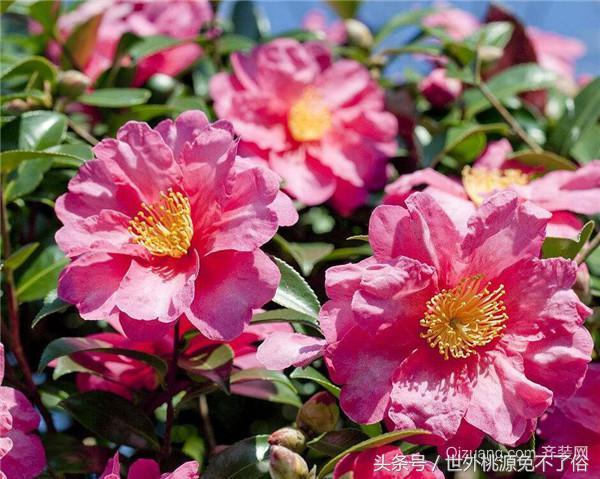
1. Light conditions
Generally, sasanqua camellia likes places with half shade and half sun, meaning it cannot have too much light, but it also cannot have too little. However, in winter, light is an important factor for it to get through the winter, because in summer we always worry that the temperature is too high and the light is too strong, but when winter comes, there is no need to worry anymore. We can give it a little more light, and must not let the light be too little. If the wind on the balcony is too strong, then it can be placed indoors in a place where it can get more sunlight.
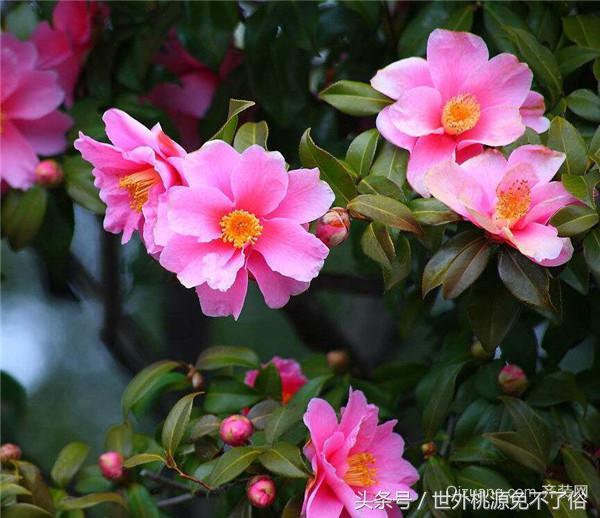
2. Temperature conditions
Under normal circumstances, the temperature more suitable for the growth of sasanqua camellia is between 18 and 25 degrees. But in winter, its overwintering temperature must be above minus 2 degrees, and it cannot be lower, otherwise it will be very prone to cold damage. Of course, it cannot be too high either. If the temperature is too high, it will also affect its growth. Generally, 3 to 6 degrees is best, so that it can get through the winter more safely.
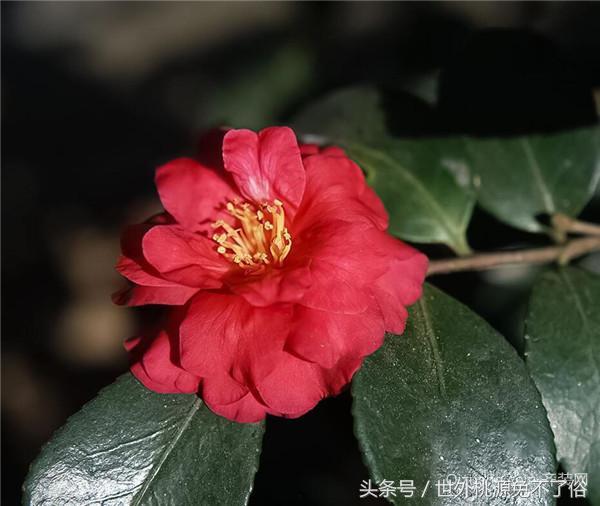
3. Water and fertilizer conditions
In winter, plants generally do not need much water or fertilizer. So sasanqua camellia is the same. As for water, not only should the soil not be too wet, but its leaves should also be kept a bit dry, so as to prevent it from being frostbitten because of too much water. As for fertilizing, under normal circumstances, a little light fertilizer can be applied while it is growing and blooming, but in winter there is no need to give fertilizer anymore.