What to do about drug residues from Chinese veterinary medicine in farming
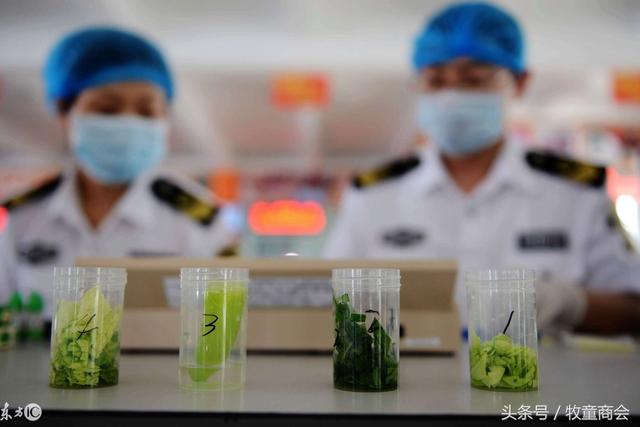
In food safety, the issue of pesticide and veterinary drug residues has always attracted much attention, especially the issue of veterinary antibacterial drugs. A few days ago, the Ministry of Agriculture once again issued a notice requiring the cessation of the use of 3 veterinary drugs in food animals: olaquindox, arsanilic acid, and roxarsone.
In recent years, the Ministry of Agriculture has continuously intensified its work on veterinary drug risk assessment and safety re-evaluation, and over the past 3 years has banned a total of 8 veterinary drugs from use in food animals. That is, in 2015 it banned 4 antibacterial drugs shared by humans and animals, namely lomefloxacin, pefloxacin, ofloxacin, and norfloxacin, from use in food animals; in 2017 it banned fipronil from use in food animals; and this time it banned 3 veterinary drugs, namely olaquindox, arsanilic acid, and roxarsone, from use in food animals. In addition, in 2016 it also banned colistin sulfate premix from use for animal growth promotion. So what veterinary antibacterial drugs are still available now? How should we view and use them?
At present, the veterinary antibacterial drugs approved in China for use in the animal farming industry are divided into two major categories: antibiotics and synthetic antibacterial drugs, used to prevent and treat animal diseases and to promote growth. Among them, the main types of antibiotics include 8 categories such as β-lactams, aminoglycosides, and tetracyclines, with a total of 56 varieties; the main types of synthetic antibacterial drugs include 3 categories, namely sulfonamides, quinolones, and other synthetic antibacterial drugs, with a total of 45 varieties. Among them, there are 14 products of growth-promoting antibacterial drug feed additives allowed to be added to commercial feed for long-term use, and after this ban they are reduced to 11 products.
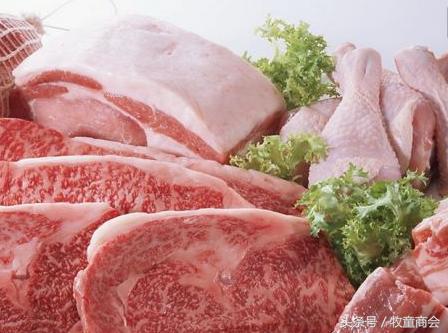
Veterinary antibacterial drugs are a "double-edged sword." Their role in the prevention and control of animal diseases is indispensable, but they need to be used in a standardized and reasonable manner. It is understood that antibacterial drugs approved for use as veterinary drugs in China must undergo strict approval procedures before being marketed, must complete relevant pharmaceutical, safety, and efficacy tests, and are only approved for production and use after strict evaluation and strict review. For veterinary antibiotics approved for marketing, the scope of use, dosage, and withdrawal period and other precautions are clearly specified. If, during the farming process, they are used reasonably and in a standardized manner according to the stated purpose of use, usage and dosage, and withdrawal period regulations, then animal products will not have the problem of antibiotic residues exceeding the standard.
If food of animal origin contains antibacterial drug residues, will it harm human health? Only when veterinary drug residues reach a certain level, that is, exceed the prescribed safe limit, will they harm human health. For this reason, the Codex Alimentarius Commission and developed countries in Europe and America have formulated safe limit standards for antibiotic residues in livestock and poultry products such as meat, eggs, and milk according to the type of antibiotic, purpose of use, and so on, namely the maximum residue limit (MRL). This safe limit assumes that even if a person ingests this amount every day throughout life, it will not cause any harm. Referring to international standards and European and American standards, the Ministry of Agriculture has also formulated and issued China's "Maximum Residue Limits of Veterinary Drugs in Food of Animal Origin" standard.
In actual life, as long as the amount of veterinary drug residues in food of animal origin is below the prescribed safe limit standard, the product is regarded as safe and can be eaten with confidence. Some people now believe that as long as veterinary drug residues are detected in food of animal origin, it is unsafe; this is a misunderstanding.
The Ministry of Agriculture also stated that it will always attach great importance, take multiple measures simultaneously, and carry out in-depth comprehensive treatment of veterinary antibacterial drugs, focusing on playing the three cards of "producing good drugs," "using fewer drugs," and "using drugs well," and striving to achieve the goal of "reducing drug use and ensuring product safety."