Trace elements iron, zinc, copper, manganese and selenium in broiler farming are a double-edged sword
As a complete organic living organism, chickens need sufficient carbohydrates, proteins, vitamins and minerals in their daily growth activities. Minerals also include something that farmers often overlook - trace elements. So-called trace elements refer to elements whose content in the body is less than one part per ten thousand. They mainly include iron, zinc, copper, manganese, chromium, selenium, molybdenum, cobalt, fluorine, etc. Because iron is present in the body in a relatively larger amount, it is also called a semi-major element.
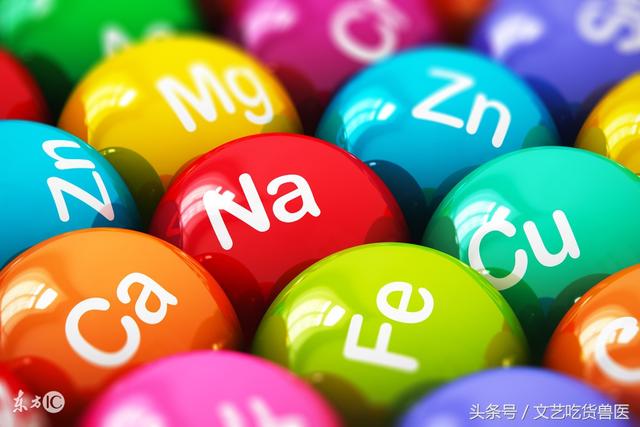
So what role can trace elements play in broiler farming? What symptoms occur when trace elements are deficient? Can trace elements be fed in large amounts?
1. Iron. Basically, modern people all know that iron is an important component of hemoglobin in the blood and is related to blood function. In broiler farming, the period when broilers have the strongest demand for iron is the brooding period within one month of age. During this period, chicks grow vigorously and need more iron to assist in blood production. However, if the iron content in chicken feed is too high, it will hinder the absorption of phosphorus by broilers, causing symptoms such as rickets and soft-shelled eggs, and may even cause some symptoms of iron poisoning, such as diarrhea, slow growth and low feed conversion rate. The most severe iron poisoning can lead to death in broilers.
2. Copper. Under normal circumstances, the amount of copper required during broiler growth is very small. Generally, feed only needs to contain one part per one hundred thousand of copper. Like iron, copper also participates in blood production, and copper deficiency can likewise cause symptoms of anemia. Copper can also play a certain role in promoting growth and, at the same time, has a certain therapeutic effect on some chicken enteritis and fungal diseases. However, note that long-term feeding of feed containing too much copper will cause copper poisoning in broilers, leading to growth inhibition and even death.
3. Zinc. We often see things like zinc supplementation for zinc deficiency in TV commercials. Advertisements for zinc supplements such as zinc gluconate are also familiar to everyone. The main role of zinc is to promote growth and development and enhance appetite and digestive capacity. It can be said to be a trace element closely related to broiler growth performance. On the other hand, if zinc is excessive, it will also produce toxicity and cause poisoning. Excess zinc affects the absorption of calcium and protein, leading to copper deficiency. If the zinc content in chick feed reaches three parts per ten thousand, chick growth will be severely inhibited, and arthritis and internal organ bleeding will occur.
4. Manganese. Manganese mainly affects egg production and growth in chickens. Under normal circumstances, a manganese content of five parts per one hundred thousand in feed is already sufficient. If preventing slipped tendon, the manganese content can be increased to one part per ten thousand. Excess manganese will hinder broiler growth and, in severe cases, can cause the death of more than half of the chicks.
5. Iodine. For Chinese people, iodine deficiency is certainly familiar. To prevent iodine deficiency, the state has also implemented a policy of iodizing salt. Iodine deficiency can seriously affect the growth and development of broilers, but in fact broilers have a very small demand for iodine. Generally, only an iodine content of three parts per ten million is sufficient. Excessive iodine will not only cause goiter, but also lead to reduced egg-laying performance in hens, dead embryos, cessation of laying, etc., and in severe cases can lead to chicken death.
6. Selenium. Selenium has been quite popular recently. It is called the longevity element among the public, meaning that this element can make people live longer. But selenium is a very dangerous element for broilers, because the range between selenium deficiency and excess in chickens is very narrow. If you are not careful, they will become selenium deficient, and with a slight supplementation, they will suffer selenium poisoning. Therefore, under normal circumstances, there is no need to specially supplement selenium for chickens. Selenium poisoning in chickens can cause growth stagnation, ruffled feathers, delayed sexual maturity, decreased appetite, reduced egg production, etc., and can also cause serious symptoms such as deformed embryos, paralysis and death.
In daily broiler farming, farmers must not only ensure that the trace elements in broiler feed are sufficient, but also prevent poisoning caused by excessive trace elements. But in fact, for the vast number of free-range farmers, as long as the chickens are regularly let out of the pen to move freely, and as long as the chickens peck around outside, they can basically obtain the trace elements needed to meet their production requirements.
Finally, I wish everyone safe farming and smooth profits.