A pigeon keeper's years of experience summed up: details determine success or failure in breeding
Follow the Toutiao account“Warm Love”, and let's exchange and learn the techniques and experience of breeding together and make progress together!
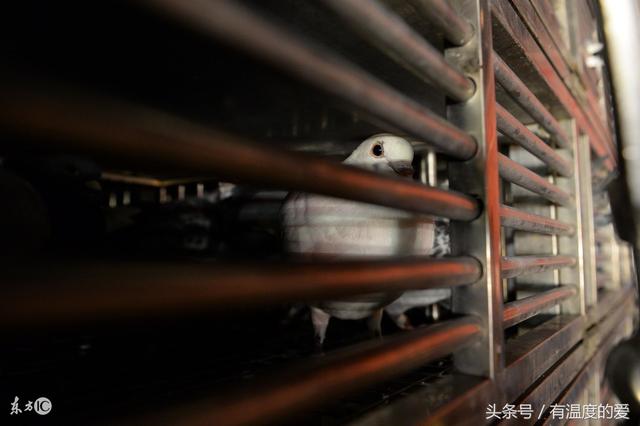
Sharing a pigeon keeper's years ofmeat pigeon breedinginsights as follows, hoping to be of some help to the many friends who raise meat pigeons.
1. Every morning when you get up, go into the pigeon house and take a stroll around first. Observe the droppings board and check the pigeons' health status. Look at the pigeons' activity level and whether their mental state is good. After a night's rest, by morning the pigeons are all hungry; when the keeper passes in front of the cages, it will cause a stir among the pigeons, and those with squabs will walk around beside the feed box waiting to be fed. This kind of state is a sign of activity.
2. After observing the situation, do the most basic cleaning. Sweep the entire floor once. Then start providing water and feeding. When feeding, follow the principle of giving little but adding frequently, and carefully observe the feeding state of each pair of pigeons. If you find any that are not eating, first check whether the water pipe is blocked, then see whether they are sick, and then take effective measures according to the actual situation.
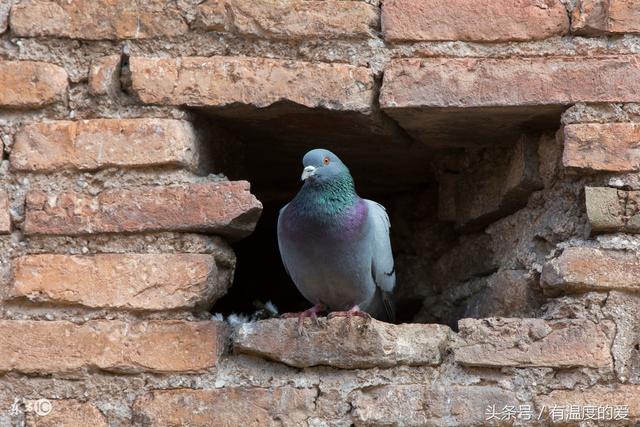
3. At 4-5 in the afternoon, the egg-laying pigeons begin to lay eggs. Take another stroll around. If automatic incubation of pigeon eggs is used, then collect the laid pigeon eggs; if the breeding pigeons incubate them themselves, then pick up the eggs that were not laid in the nest and put them into the nest, to avoid them being crushed when the pigeons move around and to reduce losses.
4. The daylight time for meat pigeons is generally 12-14 hours. When the duration is insufficient, supplemental lighting is needed, but the pigeons should not be exposed to light for too long either; too long or too short light is unfavorable to pigeons. It is best to clean the droppings once a week, clean and disinfect the water trough every 10-15 days, and fully disinfect the pigeon house once a month. Do a good job of ventilation and air exchange every day to ensure air quality. Reduce the harm to pigeons from ammonia gas in the pigeon house. The pigeon house should be equipped with exhaust fans and a thermometer. According to the weather, control the temperature and humidity of the pigeon house well, which is beneficial to the growth of the pigeons.
5. Pay attention to whole-flock management, as the name suggests, it means sorting out the pigeon flock. The best time for sorting the flock is during the molting period, and when it is coldest in winter. Timely cull inferior pigeons and sick pigeons! Timely cull the pigeons that are not ideal or not up to standard, to reduce breeding costs and risks.
The above are some management insights in meat pigeon breeding. I hope they can be of some help to novice pigeon keepers, and I also hope more pigeon-keeping peers will share their own pigeon-raising insights, to jointly promote the development of the meat pigeon breeding industry.