Four Points for Good Overwintering Management in Turtle Farming, with Strong Potential in the Exotic Pet Market
The basic principle of overwintering management for turtles is to do a good job of freezing prevention and warmth retention.
1. Natural overwintering
Turtles begin hibernation when the water temperature drops below 15°C, not eating and not moving. Overwintering is relatively easy for turtles. On winter mornings, inspect the pond. The same management applies to turtle-fish polyculture ponds.
Turtle farming: characteristics, value and key farming techniques of the snapping turtle
2. Cellar overwintering
Choose a wind-sheltered, sunny spot and dig a hole at least 30 cm below ground level. The size depends on the number of turtles. Turtles may overlap each other, but they should not be piled too thickly. Insert 1 ventilation pipe from the hole, with the outer opening facing south and sheltered from the wind. Seal the hole opening with wooden boards or cement boards, pile them firmly on top and cover with rice straw. Check once every 20 days. If the temperature inside the hole exceeds 13°C, reduce the insulating material above the hole; if the temperature inside the hole is below 2°C, add more insulating material. This overwintering method is simple and safe, and since the hole has its own humidity, there is no need to sprinkle water. By the same principle, caves and air-raid shelters can also be used for overwintering.
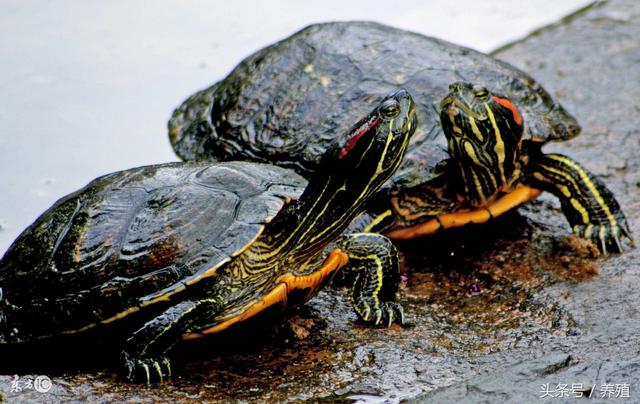
Turtle farming
3. Indoor overwintering
Given the turtle's tenacious vitality and resistance to adversity, it can be allowed to overwinter naturally indoors. The specific method is as follows: when winter comes each year and the water temperature drops below 13°C, scoop the turtles out of the pond and place them in a quiet empty room, stacking the turtles in 2 to 3 layers, covering them with 30 cm of warm rice straw that has been soaked in advance for half a day, then pouring water through once, sealing the doors and windows and blocking out light. After that, sprinkle water about once every 1 week, just enough to keep the rice straw from drying out. According to records, it is very safe even when the indoor temperature is below 0°C, with a survival rate exceeding 98%, and reproduction the following year is unaffected. The greatest advantage of this method is that the turtles can be tended at any time, and it can accommodate large batches of breeding turtles for overwintering.
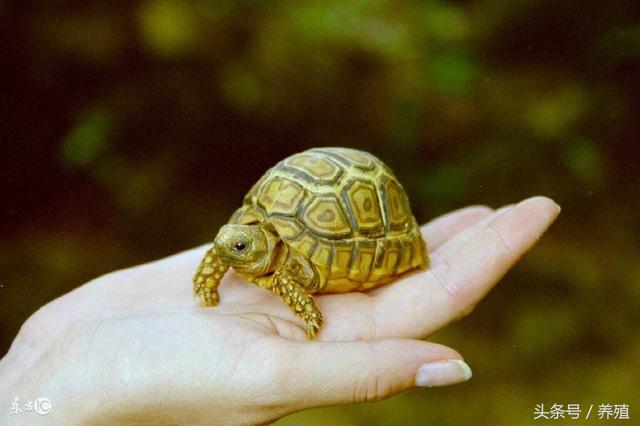
Turtle rearing
4. Overwintering with heat retention in jars and boxes
Place the turtles in a jar or box, put a lid on top, leave certain ventilation holes in the lid. After placing the turtles, add some wet cloth or wet sponge on top of them, and check once every 10 to 15 days. Keeping them from drying out also allows them to overwinter. This method is suitable for overwintering tortoises (dry-land turtles), semi-aquatic turtles and small to medium-sized turtles. As long as the temperature inside the jar or box is not allowed to drop below 0°C (not below 5°C for tropical turtles), most turtles can overwinter safely and without harm.
In addition, for small-scale household overwintering management of turtles, the turtles can be placed in a water container indoors, and keeping the temperature above 0°C allows them to overwinter safely. The stocking density can also be increased by more than 1 times compared with usual, which helps raise the temperature somewhat. If turtles are kept in a small outdoor courtyard pond, covering the pond with plastic film so the pond water does not freeze is a very reliable overwintering method. Appropriately deepening the water level also has a heat-retaining effect. The simplest method is to put some foam plastic boards in a small pond and place rice straw on top, which can also allow turtles to overwinter safely.
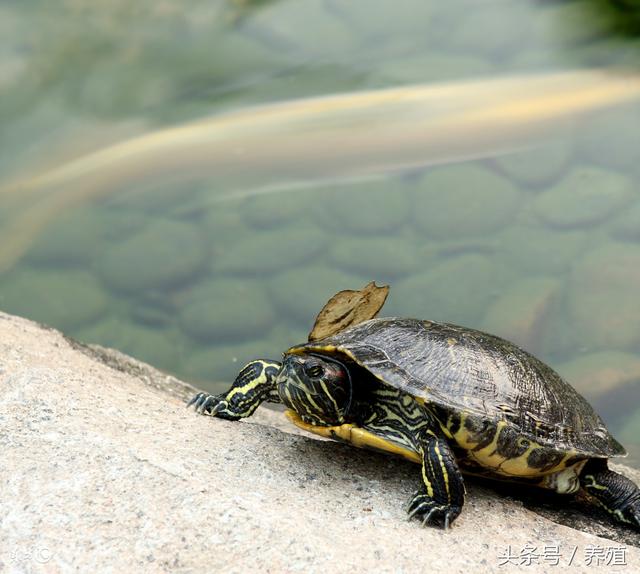
Turtle farming
In short, the main management of turtle overwintering is based on temperature as the standard. It is best to keep it within the range of about 5 to 13°C, and not to leave them in a semi-awakened state at 13 to 14°C for a long time, which would cause excessive energy consumption and lead to death in spring.
Friends interested in farming can follow: Farming, with wonderful farming news and technical articles shared every day. Submission email: [email protected].