Osmanthus growing methods and precautions: keep these four taboos in mind
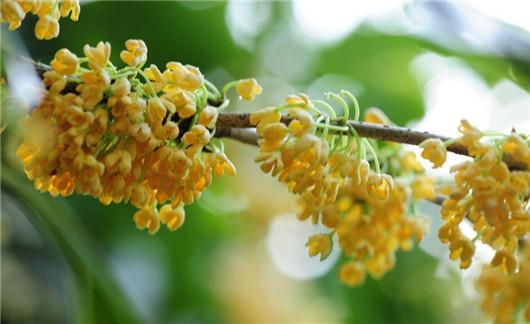
When osmanthus blooms, its fragrance fills the air, making it very suitable for courtyard planting. When growing osmanthus in pots, choose cutting seedlings or grafted seedlings with a dwarf habit and compact branches and leaves. Seedling plants take many years to bloom, while cutting and grafted seedlings bloom relatively faster.
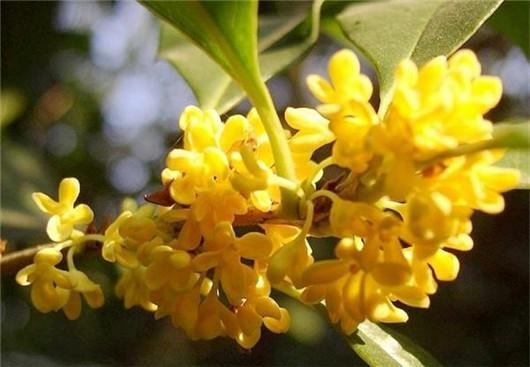
Many flower lovers want to know how potted osmanthus should be managed. Today Lanyao will tell you about the precautions and common problems in growing potted osmanthus.
1. Growing methods for potted osmanthus:
1. Pot soil selection:
When growing osmanthus in pots, the pot soil can be prepared with mountain soil/leaf mold : garden soil : sand at 5:3:2, or with garden soil : manure : river sand at 1:1. When potting, add decomposed organic fertilizer, bone meal, etc. as base fertilizer.
2. Flower pot selection:
When growing osmanthus in pots, it is recommended to use breathable clay pots. Place a tile at the bottom to help drainage.
3. Potting time:
The best planting time for osmanthus is from November to early December in late autumn, or from February to early March in spring. For young seedlings, choose spring potting as much as possible to avoid frost damage in winter. After potting, water thoroughly, place in a ventilated spot to recover, and after 1 week move to a sunny place for care.
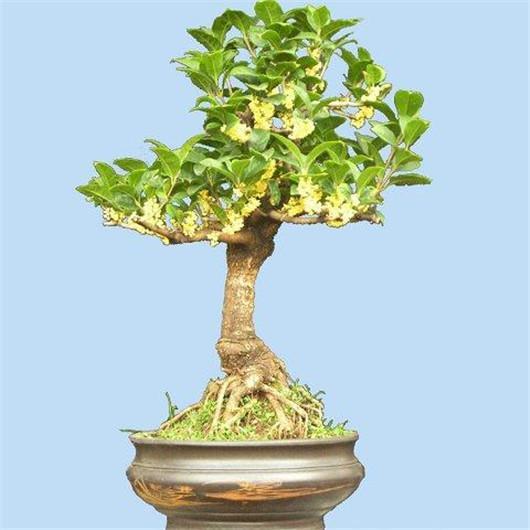
4. Water management:
Potted osmanthus should simply be kept with the pot soil moist. In rainy seasons, pay attention to drainage to prevent root rot from too much water. When it blooms in autumn, avoid overly wet pot soil, otherwise flowers and buds are likely to drop.
5. Fertilizing:
When it sprouts in spring, apply [email protected] cake fertilizer water once every 10-15 days. After July, while applying cake fertilizer water, add monopotassium phosphate or superphosphate to promote flower bud differentiation.

6. Pruning:
After flowering in autumn, carry out full pruning, cutting off dead branches, thin and weak branches, and diseased and pest-infested branches, so that stout short branches are evenly left on each side branch. During the growing season, remove sprouting branches promptly to avoid excessive nutrient consumption.
7. Pest and disease control:
Osmanthus is prone to anthracnose, brown spot disease, sooty mold, whiteflies, scale insects, leafhoppers, and so on. Pay attention to timely control.
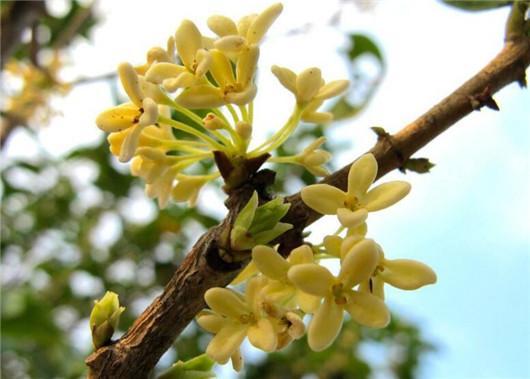
2. The four taboos in growing osmanthus
1. Avoid alkaline soil:
Osmanthus likes slightly acidic soil, with a suitable pH of 5.5-6.5. If planted in alkaline soil, the leaves can turn yellow and withered, and even the whole plant can die.
Advertisements
2. Avoid half watering:
If watering is not thorough, the surface soil is moist while the lower half is dry, and the roots cannot get enough water, causing the leaves to dry out, wither, and even fall off.
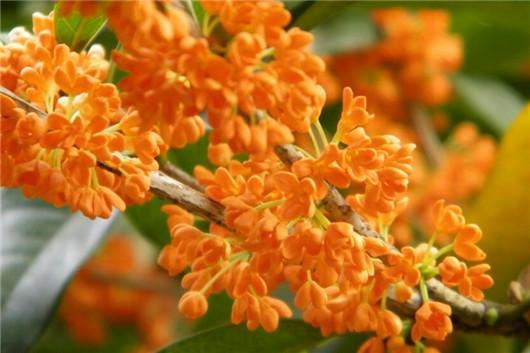
3. Avoid waterlogging:
Water accumulation in the soil easily causes root rot and leaf drop. Over time, the root system will rot, leading to plant death. Be sure to pay attention to drainage in the rainy season.
4. Avoid overwintering at high temperatures:
Osmanthus is relatively cold hardy. South of the Yangtze River it can overwinter outdoors; in the North China area it overwinters indoors, with a suitable room temperature of 2~4°C. If the room temperature is too high, dormant buds sprout in winter or early spring, wasting nutrients in vain, and the plant will grow poorly. In the north, early spring is dry and windy, so potted osmanthus should not be moved outdoors too early, otherwise new branches will be damaged by strong winds; osmanthus is also afraid of smoke and dust, so it should not be planted near factories and mines.
3. Common problems in osmanthus cultivation:
1. Why does potted osmanthus bloom little and have a weak fragrance?
This is mostly caused by insufficient nutrition or insufficient light. Osmanthus likes fertilizer; besides base fertilizer, timely topdressing should be applied during the growing season and before and after flowering. Osmanthus likes sunlight, so light must be sufficient. It should be planted in a sunny and well-ventilated place and pruned in time.
2. What should be done if potted osmanthus does not bloom easily?
Potted osmanthus grown from seed takes about 8-10 years to bloom, cutting seedlings need about 4 years, and division and grafted seedlings can mostly bloom the next year. If potted osmanthus has reached blooming age but does not bloom, it is mainly due to improper care. For example, improper watering, waterlogging, alkaline soil, overwintering temperature too high, smoke and dust damage, and insufficient light can all cause osmanthus not to bloom. In addition, if potted osmanthus is often not repotted and fertilized insufficiently, this can also affect blooming.
3. How can osmanthus be made to bloom every year?
To make osmanthus bloom every year, care is very important. First, ensure sufficient light. Second, attach importance to fertilizing. As the saying goes: If you want osmanthus fragrance, always keep a pig manure vat. This shows that osmanthus greatly likes fertilizer. In winter, apply enough base fertilizer; during the growing season, mainly use nitrogen fertilizer; at the flower bud differentiation stage, increase the application of phosphorus and potassium fertilizer.
4. How can severe leaf drop of osmanthus be prevented in winter?
In cold areas in winter, move potted osmanthus indoors to a place with sufficient light to avoid leaf drop caused by frost damage. After flowering in autumn, apply thin nitrogen fertilizer as a topdressing; before winter, apply base fertilizer; in winter, cover the base with sandy soil and water with clean water.
5. Why do osmanthus leaf tips scorch and wither?
To address scorched and withered osmanthus leaf tips, first rule out disease. If osmanthus has diseases such as anthracnose, it will show scorched and withered leaf tips. Usually strengthen ventilation, do not water too much, clean up dead leaves in time, and when diseased leaves are found, cut them off promptly and burn them.
When the pot soil becomes alkaline, scorched and withered leaf tips can also appear. Osmanthus is an acid-loving flower, so care should be taken to keep the soil on the acidic side.
If it is moved indoors too early in winter, or the overwintering temperature is too high, causing buds to sprout early, then when moved outdoors in spring, after drought and wind, tip withering is also likely to occur.
Lanyao has introduced so much. Do you now have some understanding of how to grow osmanthus? Welcome to follow Lanyao's WeChat public account: ilanyao to discuss flower growing techniques together.