How to grow Golden Larch: care methods, precautions and bonsai pictures
[Key points for growing Golden Larch]
1. Temperature: It likes a warm environment. It is relatively cold-hardy and can endure a low temperature of -20°C, but small potted plants are best moved indoors for overwintering.
2. Light: It likes ample sunlight, but seedlings are not tolerant of strong light and should be shaded, otherwise the seedlings will be scorched. When summer brings high temperatures, intense sunlight and poor ventilation, the leaf tips often become scorched and withered, so it is advisable to shade it from the sunlight around midday and ensure good ventilation, otherwise growth and ornamental value will be affected; at other times it should be given ample sunlight.
3. Watering: It is not tolerant of drought, so water management should be frequent. If the potting soil is dry, water it promptly and keep the potting soil moist at all times. This is especially important when growing it in a shallow pot, as the potting soil must be prevented from drying out, otherwise scorched leaves are likely to occur. However, it dislikes waterlogging; overly wet potting soil is detrimental to plant growth, causing leaf drop and even root rot and death. During the plum rain season, check promptly after rain and pour off any accumulated water in the pot. After the leaves drop and the plant goes dormant in winter, watering should be restricted.
4. Environmental humidity: It likes a humid environment, and during the growing period water should be sprayed frequently on the branches, leaves and surrounding area to raise the relative air humidity.
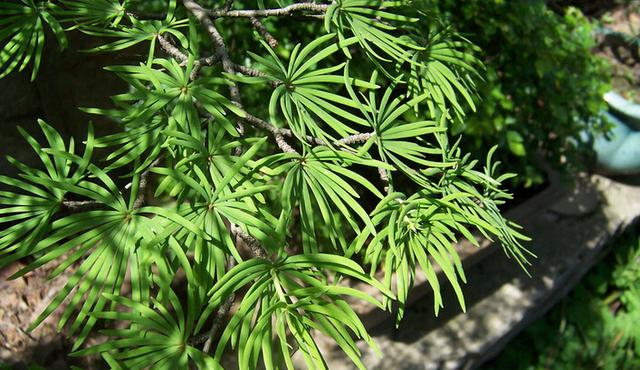
5. Fertilizing: It is not tolerant of poor, thin soil. During the growing period, apply a nitrogen-based fertilizer once a month to promote robust growth of branches and leaves. Alkaline fertilizers should not be applied; adding a small amount of ferrous sulfate when fertilizing helps the plant grow robustly. Fertilizing should be stopped during the rainy season, during summer high temperatures and during winter dormancy.
6. Pruning: It has strong sprouting ability. In spring, promptly remove unwanted buds and shoots. For shaped plants, when the newly grown branches and leaves extend and the long shoots grow long, leave 1-2 nodes and cut back to keep the branch pads flat and even. Because it grows quickly, when shaping with wire, be careful to remove the wrapped wire promptly once it becomes embedded in the bark, so as not to affect the tree's growth.
7. Repotting: Repot once every 2-3 years, preferably after the leaves drop in autumn and before the buds break in spring. It likes fertile, loose, well-drained, slightly acidic sandy soil, and can also grow in neutral soil, but dislikes alkaline soil. Golden Larch is a mycorrhizal tree species, and mycorrhizae must be present in the planting soil to ensure normal growth of the plant. Seedbeds for sowing and cutting propagation should be mixed with mycorrhizal soil; when transplanting into pots, plenty of the original soil should also be retained to ensure the mycorrhizae are kept. The growing medium can be prepared from materials such as leaf mold, garden soil, peat soil, perlite or coarse sand.
8. Pest and disease control: It is harmed by pests and diseases such as damping-off, stem rot and bagworm moths.
[Common problems in growing Golden Larch]

Follow the WeChat account: xiaobency, shared every day around 9 o'clock, listened to by tens of thousands of people