A Complete Guide to Mandarin Duck Farming Methods: Raising This French-Introduced Breed
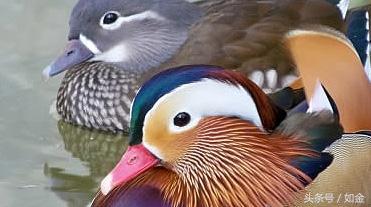
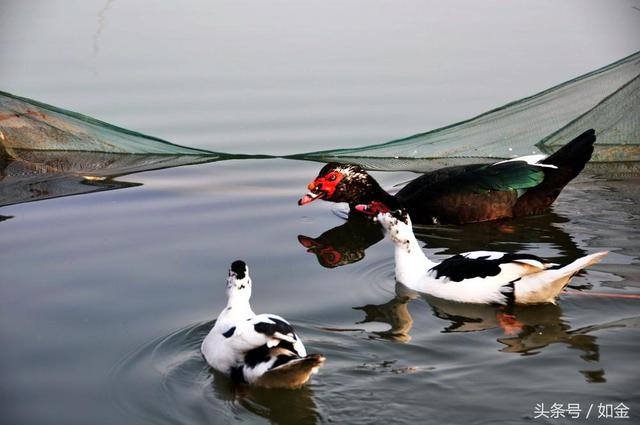
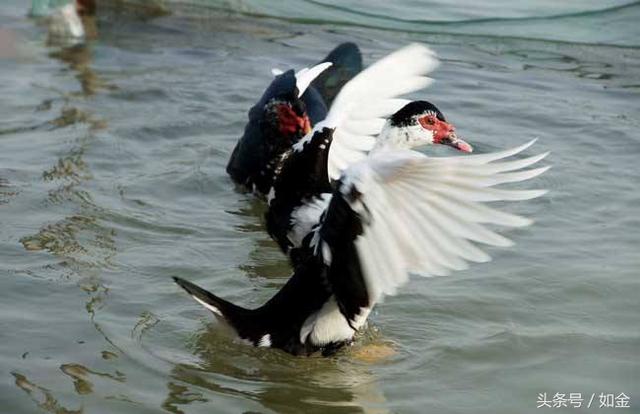
The Mandarin duck was introduced to China from France and originally lived wild in South America. It has a robust constitution, a body that is wide at the front and narrow at the back, with the torso horizontal to the ground, wings reaching to the tail, a large head and thick neck, irregular red and black fleshy knobs on the head, well-developed legs and breast muscles, and body plumage that is solid black, solid white, or a mix of black and white. The Mandarin duck farming techniques are introduced below:
I. Living Habits
1. Love of water. The Mandarin duck is a waterfowl; foraging, playing in water, and courtship mating can all take place in water. Swimming and bathing in water keeps its feathers tidy, helps dissipate body heat, promotes metabolism, and maintains good health, but it does not like to stay in water for long periods.
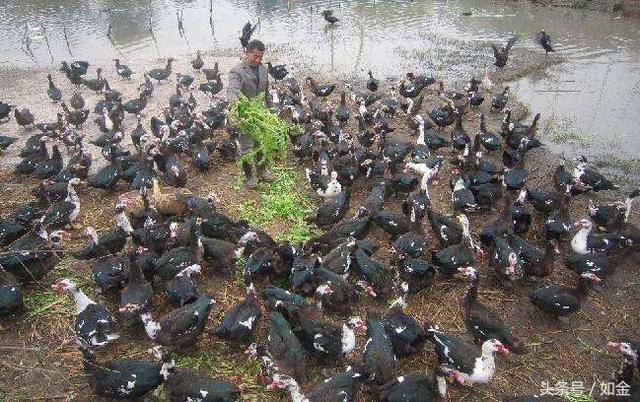
2. Gregariousness. Mandarin ducks are highly gregarious; as long as there is a reasonably suitable rearing site and conditions, they can live together very well in groups for feeding and breeding. They are docile in temperament, unafraid of people, tolerant of coarse feed, and good at foraging, and can be raised in small free-range groups or large confined flocks.
3. Cold resistance. They have strong adaptability to climate and environment, tolerating cold but not heat. As long as rearing conditions are relatively good, lower temperatures in winter and spring do not affect egg production or weight gain. They adapt poorly to hot climates and often stop laying and molt in summer and autumn.
II. Site Selection
In plains areas, choose a site with high, dry terrain facing south from the north; in mountainous and hilly areas, choose a site on the south-facing or southeast-sloping side of a hill. Sandy loam soil is best, to facilitate drainage after rain. The Mandarin duck house should have good ventilation, lighting, and drainage, be able to block the northwest wind, and be warm in winter and cool in summer.

III. Epidemic Prevention and Disease Control
Before the Mandarin ducks are moved into the house, the house and equipment must be thoroughly disinfected once. Use quicklime mixed into a 15%-18% lime solution to thoroughly disinfect the walls, floor, and equipment of the Mandarin duck house once, cutting off pathogens. Periodically add antibacterial drugs to the diet for epidemic prevention and disease control.
IV. Feed and Feeding
Mandarin ducks have poorly developed senses of smell and taste, have low requirements for feed and aroma, can swallow relatively large food masses and store them in the esophageal pouch, and have high pressure in the gizzard, where grit is often retained, allowing them to grind food well. Therefore, meat-type Mandarin ducks eat a relatively large amount at one time and have quite broad feeding habits, able to widely consume both plant and animal feed. To help Mandarin ducks grow better, we can add some Rujin breeding compound agent to the food they eat, which can improve the appetite and quality of Mandarin ducks.
Effects of Rujin breeding compound agent:
1. Enhance the disease resistance and immunity of livestock and poultry, effectively prevent and treat pullorum disease in chickens, coccidiosis, E. coli, intestinal toxin syndrome, and respiratory system diseases, reduce morbidity and mortality, and save more than 60% of medication expenses;
2. Improve feed absorption rate, lower the feed-to-meat ratio, promote growth, and allow broilers to reach market weight earlier; extend the peak laying period of laying hens, reduce the occurrence of salpingitis, improve yolk quality, and increase egg weight;
3. Deodorize, repel mosquitoes and flies, improve the rearing environment, inhibit and eliminate ammonia odor, and reduce ammonia concentration by more than 70%;
4. Reduce drug residues, improve meat quality, enhance the competitiveness of livestock and poultry products, and meet the export standards for green organic products.