What aspects need attention when growing potted orchids on a balcony
Orchids are a precious, wondrous herbaceous plant. Since ancient times, people have regarded orchids as a symbol of nobility, elegance and unwavering fidelity. Orchids are semi-shade plants that rely on orchid roots to produce orchid mycorrhiza for growth. Only by understanding the growing habits of orchids can we grow them well. Orchids must be in fresh air to carry out respiration and photosynthesis normally, promote metabolism, enhance the absorption and transport of water and nutrients, and the manufacture and accumulation of nutrients, reduce pests and diseases, and make the orchid plants grow robustly. So when growing potted orchids on a balcony, how should these relationships be handled?
Potting soil
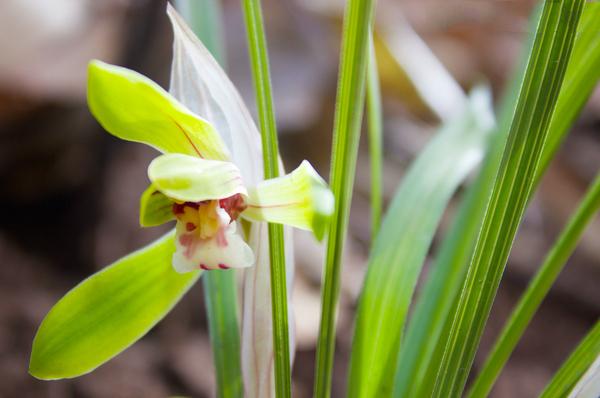
Traditional orchid growing media are generally based mainly on leaf mold, with some using sand and others using small stones. But everyone knows orchids are a bit delicate, and to grow them well, the choice of soil is very important. Orchid potting soil should be on the dry side and well aerated. For growing orchids on a balcony, the best mix is 50% decomposed sawdust or sawdust discarded from edible mushroom production plus 50% loam. This kind of soil has many pores, good aeration and smooth drainage, so the roots will not rot. At the same time it has a certain water-retaining capacity, providing favorable conditions for orchid growth.
Ventilation
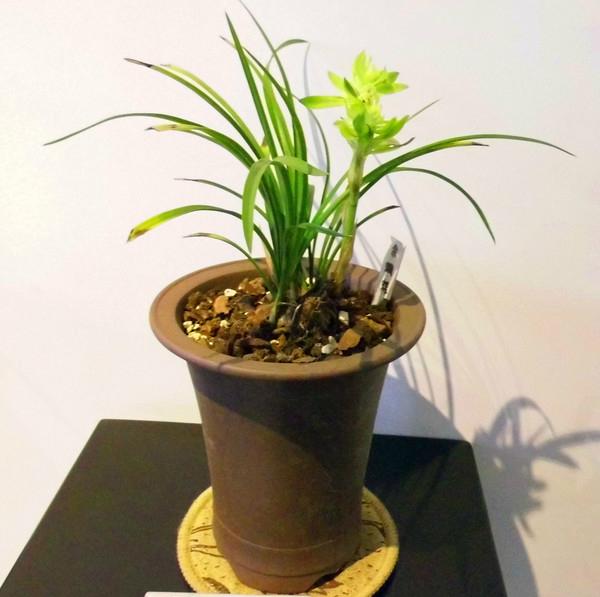
Orchid growth requires good ventilation conditions. The gas composition indoors is complex, affecting the growth and development of orchids, making them prone to mold, rot and other diseases, and they may even suffer toxic harm. Only with air circulation can orchids be supplied with enough oxygen and the carbon dioxide needed for photosynthesis, and pests and diseases also be reduced. Therefore, when growing orchids on a balcony, you should often open the windows for ventilation and air exchange.
Humidity
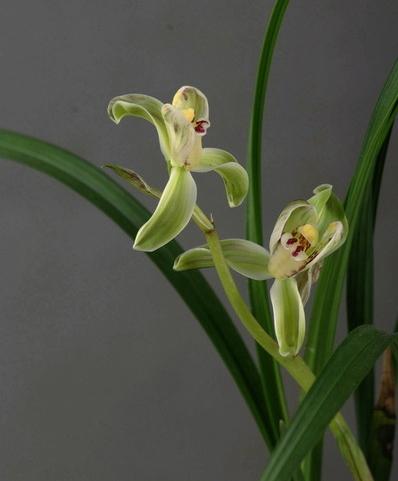
Wild orchids originate in mixed mountain forests, where they are moistened by rain, mist and dew, and also receive the transpiration of abundant moisture from the ground, growing in a humid environment for a long time. The humidity orchids need is generally a relative humidity of 50%-80% or more. The balcony environment makes it hard to reach the humidity suitable for orchid growth. Under the orchid stand, you can build a low enclosure to store water and set up water trays. This can effectively raise air humidity without causing the orchid leaves to rot from excessive humidity. You can also spray water manually, or use a humidifier to create favorable environmental humidity for the orchids.
Light
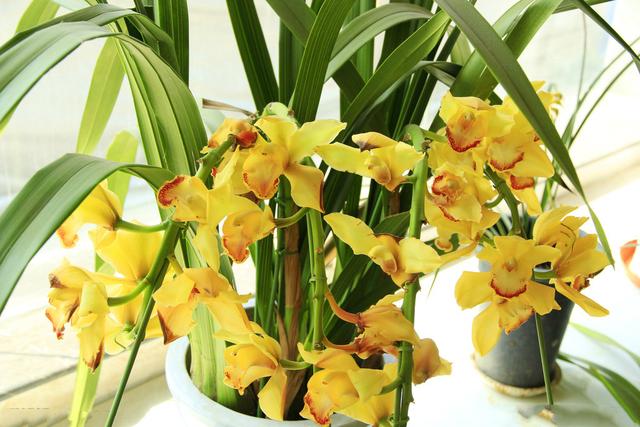
Although orchids are shade-tolerant plants, light also has an extremely important effect on orchid growth and is the external factor determining whether orchids grow vigorously. Light is the energy source for orchids to manufacture nutrients and also a necessary condition for chlorophyll formation. The formation of orchid flower buds also needs sunlight. Therefore, from May to October, balcony orchids should be shaded. In the vigorously growing summer, strong direct light will still scorch some leaves, causing the leaves to turn brown, and even making the leaves scorched yellow and withered, so it is best to block 70%-80% of the sunlight.