How to grow Aspidistra (cast iron plant)? A complete guide to cultivation methods and precautions
First, it depends on whether you bought a potted plant or propagate it yourself. If you propagate it yourself, the best method is division propagation. But today, what I want to talk about is the cultivation of potted Aspidistra. Aspidistra is highly adaptable and grows quickly, and it should be repotted every 1 to 2 years.
Use a potting soil mixed with equal parts loam, leaf mold and river sand. When repotting, add a small amount of crushed bone pieces or cake fertilizer powder as a base fertilizer. After planting, water thoroughly and place it in a shady spot to grow. During the growing period, water it fully and frequently spray water on the leaves to maintain high air humidity. This encourages new leaves to sprout and promotes healthy growth.
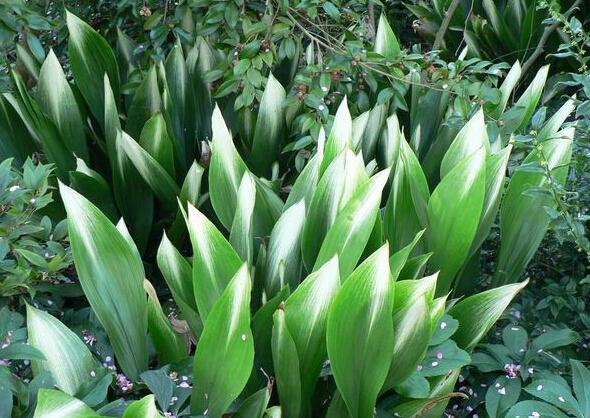
Variegated varieties should be given light fertilizer; if the fertilizer is too rich, the spots on the leaves tend to disappear. In summer, avoid direct sunlight, but pay attention to ventilation and promptly remove yellow leaves. When new leaves are sprouting and during the stage when new leaves are growing, they must not be placed in a dark indoor spot, otherwise the new leaves will grow thin and weak, affecting their ornamental value. In northern regions, it should be moved indoors in winter, with reduced watering and stopped fertilization. If the potting soil is too wet at this time, it can easily cause root rot.
In Aspidistra cultivation, besides paying attention to controlling temperature and moisture, you must also pay special attention to whether the Aspidistra is diseased.
Cultivation methods and precautions for Aspidistra
1. Promptly cut off and burn diseased leaves to reduce sources of infection.
2. Before the rainy season arrives, spray 50% Shibaike or Shibaogong wettable powder at 1000 times dilution, or 25% Tanteling wettable powder at 500 times dilution. Once every 10 days, for 3 to 4 treatments.
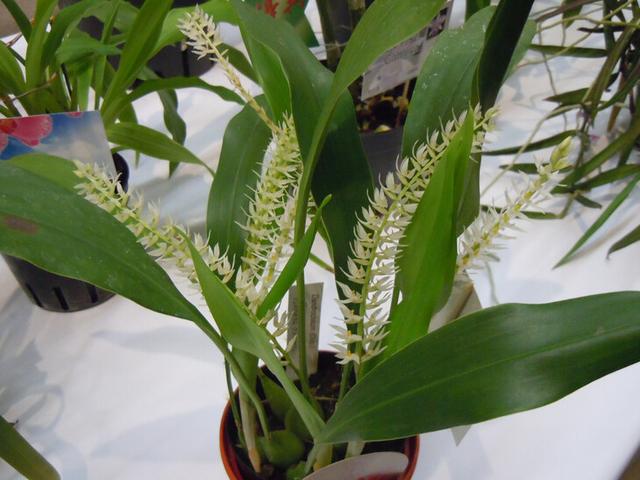
3. Choose a moist, well-drained, semi-shady environment for planting. Aspidistra is a shade-tolerant plant, and the light should not be too strong, otherwise it will cause leaf yellowing or disease. Overwatering, especially in winter, will cause root rot and can also cause leaf yellowing.
4. For Aspidistra cultivated in a greenhouse or shed, you can raise the nighttime temperature of the greenhouse, increase ventilation time during the day, and reduce the humidity inside the greenhouse and the duration of fog formation, thereby achieving the goal of disease control.
Follow WeChat ID: xiaobency, shared every day around 9 o'clock, listened to by ten thousand people