How are leeches harvested and processed? Hebei Daheng Breeding Base shares its experience
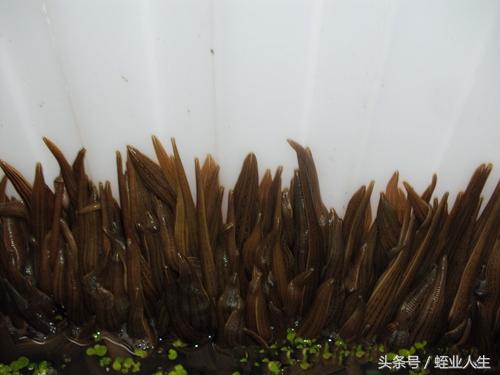
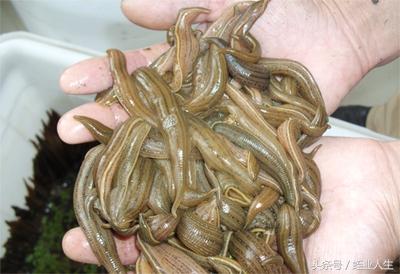
The leech is a commonly used traditional Chinese medicine, with functions of breaking blood, removing stasis, and promoting menstruation, treating blood stasis accumulation, amenorrhea in women, dry blood causing consumptive disease, traumatic injuries, red and painful eyes, corneal opacity, and more. There are many species of leeches, and those currently used medicinally mainly include Hirudo nipponia (the paddy-field blood-sucking leech), Whitmania acranulata (the tea-colored leech), and Whitmania pigra (the flat leech). Whitmania pigra is the largest in body size (about 6-12 cm long, body slightly spindle-shaped, flat and plump, the dorsal side usually blue-green, with 5 black interspersed ring-shaped stripes), therefore, artificial breeding generally uses Whitmania pigra as the main species.
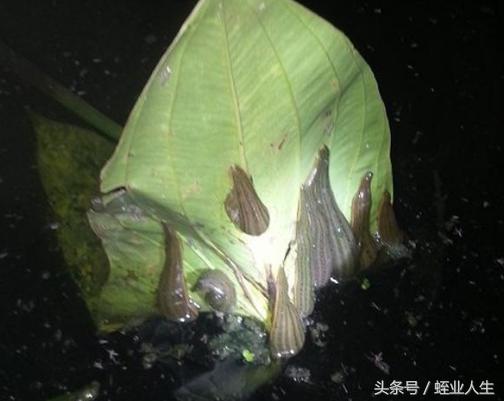
I. Harvesting. Whitmania pigra can be harvested 2 times a year. The 1st time can be scheduled in mid-to-late June, when the breeder leeches that have already reproduced for 2 seasons are scooped out, processed, and sold; the 2nd time is carried out in mid-to-late September, catching a portion of the relatively large leeches stocked in early spring, while leeches that have not yet grown large should be kept until the 2nd year for catching. When catching, first drain part of the water, then scoop them up with a net; they can also be scooped out at night with a small ladle. Note that after all catching is completed, the pond must be cleaned.
II. Processing. The quality of dried leeches is the key factor affecting the level of their selling price. The finished product is best when it is naturally flat and spindle-shaped, with the back slightly raised, the ventral surface flat, brittle and easy to break, and the cross-section gelatinous and glossy. Commonly used processing methods include: (1) Sun-drying method: string the leeches with thin thread or wire, hang them in the sunlight and dry them directly until completely dry; (2) Wine-sealing method: pour high-proof liquor into a container to submerge the leeches, then cover and seal for 30 minutes, scoop them out, wash them clean with clear water, and sun-dry; (3) Hot-water scalding method: put the leeches together into a container, pour in boiling water to submerge the Whitmania pigra 2-3 fingers deep, scald for about 20 minutes, and once the leeches are dead, scoop them out, wash them clean, and place them in a clean place to sun-dry; (4) Edible alkali method: place the leeches in a container, sprinkle in edible alkali powder, and with both hands turn and rub the leeches while mixing until the leeches gradually shrink, become smaller, and die, finally rinse them clean with water; (5) Lime method: bury the leeches in lime powder for 20 minutes, sieve off the lime, and sun-dry or oven-dry; (6) Plant-ash method: bury the leeches in ash from burnt and extinguished firewood and grass, take them out after 30 minutes, and remove the firewood ash; (7) Talcum powder method: place talcum powder in a wok, heat over medium heat until it moves freely when stirred, add the leeches, and stir-fry until they puff up and can be taken out of the wok; (8) Oven-drying method: if conditions permit, low-temperature (70°C) drying technology can be used for drying; (9) Tobacco-shred method: bury the leeches in tobacco shreds, and after about half an hour the leeches die, then wash them clean and sun-dry.
III. Storage. Unsold dried leeches should be stored in a dry place, and care should be taken to prevent insect damage.
Our Hebei Daheng Leech Breeding Farm is located in Lihuadou Village, Hanji Town, Yanshan County, Cangzhou City, Hebei Province. We began the leech breeding business in 2014. Through unremitting efforts, we have summarized a great deal of successful breeding experience from many experiments, and have successively mastered a series of technical difficulties including artificial propagation of leeches, artificial hatching, intensive precision rearing, breeding water management, disease prevention, and so on, achieving considerable results.
Due to environmental pollution in recent years, the continuous discharge of agricultural and industrial wastewater, and uncontrolled and reckless artificial catching, wild leech resources are facing depletion. With the improvement of living standards, there is currently no possibility of artificially synthesizing hirudin, and the limited resources available must also be exported around the world. Domestic experts estimate that the leech shortage will remain very large within a few years. The leech breeding industry will set off a wave of enthusiasm, and artificial leech breeding is imperative.
With the widespread application of leeches in the pharmaceutical industry and the people's strong demand for leech-based medicines, the contradiction between market supply and demand is becoming increasingly prominent. As leeches in nature dwindle day by day, leech breeding is increasingly receiving attention from all sectors of society, and the prospects for breeding are bright! We welcome people of insight from all walks of life and professionals interested in leech breeding to come to the base for cooperation and discussion!
In addition, in 2018, tens of millions of egg cocoons, seedlings, breeder leeches, etc., are in hot pre-order, with discounts for large quantities. Friends are warmly welcome to come for consultation and purchase!