How much do you know about the first medication for day-old chicks? A must-read for farmers
Poultry farming - How much do you know about the first medication?
2018-01-17 Poultry Treatment Guardian Poultry Treatment Guardian
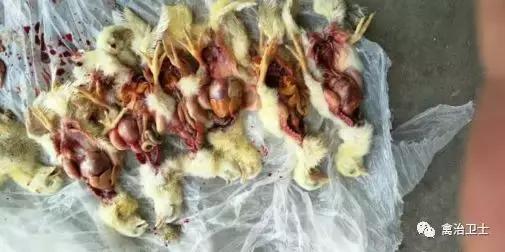
Is neomycin unsuitable as the first medication?
AminoglycosidesThe nephrotoxicity and ototoxicity of these antibiotics are widely recognized, and among aminoglycoside antibiotics, neomycin has the greatest nephrotoxicity and ototoxicity. If used in broilers within 2 weeks of age or laying hens within 3 weeks of age, once the dosage cannot be controlled properly, the resulting nephrotoxicity in the chickens is irreversible, which will affect the chickens' lifelong production performance. Therefore, neomycin is unsuitable as the first medication for day-old chicks.
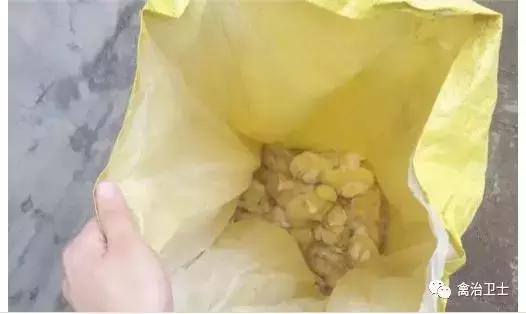
Is thiamphenicol or florfenicol unsuitable as the first medication?
Aplastic anemia is a group of syndromes of bone marrow hematopoietic failure caused by drugs, and is the most serious type of drug-induced blood disease.Chloramphenicolscause the most serious aplastic anemia. Granulocytopenia or agranulocytosis occurs when drugs act directly on the bone marrow, causing rupture and dissolution of granulocyte nuclei, thereby damaging hematopoietic stem cells and affecting the body's immune response. Among these, granulocytopenia caused by chloramphenicol drugs is more common.
Thiamphenicol is a broad-spectrum chloramphenicol antibiotic with strong immunosuppressive effects, 5-10 times that of chloramphenicol. Thiamphenicol inhibits the bursa of Fabricius, thymus, spleen and cecal tonsils.
The immune organs of chickens grow during the first week of age. If thiamphenicol and florfenicol are used as the first medication, they will affect immunity. Therefore, thiamphenicol or florfenicol is unsuitable as the first medication for day-old chicks.
Are electrolytes unsuitable as the first medication?
The role of electrolytes is to promote water metabolism and excretion of urates, which can cause diarrhea. In the first few days of age, the kidneys of chicks have no problems. Using electrolytes will only cause diarrhea in chicks, thereby affecting their growth. The immune organs of chickens grow during the first week of age, and poor growth will affect the growth of immune organs. Therefore, electrolytes are unsuitable as the first medication for day-old chicks.
What conditions should the first medication meet?
The first medication is used to eliminate certain bacterial diseases transmitted vertically, and must have:
1. Broad antibacterial spectrum - drugs effective against gram-positive bacteria, gram-negative bacteria and mycoplasma should be selected.
2. Good safety - because chicks are relatively fragile, drugs with relatively low toxicity should be selected, preferably with a therapeutic dose that is 1/20 of the toxic dose.
3. The selected drug should cause little damage to organs, especially the kidneys.
Conclusion
In the poultry farming industry, opinions on the choice of the first medication vary widely, and some people say that using florfenicol, neomycin or amoxicillin as the first medication for day-old chicks also works well.
The road ahead is still long, and the application of the first medication for day-old chicks will become increasingly strict. Time always moves forward, so let us wait and see.
The road of farming is long. From the initial desire for revenge upon first entering the farm, it was gradually worn away and finally turned into aspiration; perhaps this is the tempering of one's state of mind. Do a job, love the job, and I am willing to devote my whole life to it. Victory belongs to those who persevere to the end.
More excellent articles - Read the original text

!!Attention!!
Regarding poultry disease issues, if you have any questions, you can consult Lan Feng
You should know, because serving the front line makes us more professional. Treating poultry diseases, I am serious!