Detailed explanation of duck and goose farming techniques, these practical methods you may not know
1. Feed compound feed, avoid a single feed. Dietary requirements: high energy, high protein, appropriate amounts of calcium, phosphorus, trace elements, vitamins.
2. Drink water first before starting to feed, avoid feeding before drinking. Drinking water first can replenish the moisture consumed in the body when ducklings hatch, promote intestinal peristalsis, expel meconium, promote metabolism, accelerate the absorption of the remaining egg yolk in the body, and enhance appetite.
3. Feed small amounts more frequently, avoid uneven fullness and hunger. (1) Feeding amount: 70-80% full, prevent crop distension. (2) Feeding frequency: 7-8 times/day at 1 week of age; 6 times/day at 2 weeks of age; 5 times/day at 3 weeks of age; 4 times/day at 4 weeks of age.
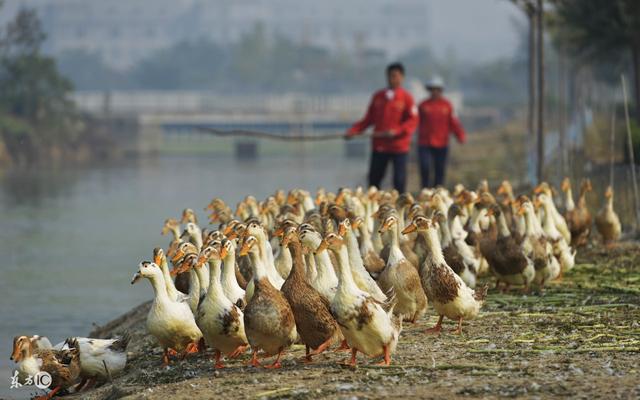
4. Temperature should be suitable, avoid uneven cold and heat. (1) Temperature: 28-32°C at 1 week of age, then decrease by 2°C each week until it reaches 20°C. (2) Heating method: artificial heating, gradually reduce temperature.
5. Rearing density should be suitable, avoid losing proper measure. Newly hatched ducklings are generally controlled at 25 birds/sq m. As the ducklings grow, gradually reduce the density, until 7-8 birds/sq m at 4 weeks of age.
6. Manage by groups, avoid not distinguishing strong from weak. Each batch of ducklings always has strong and weak ones; in management, they should be grouped according to strength and weakness and treated differently in feeding to ensure uniform development of the flock.
7. Release into water for activity, avoid long-term dry rearing. (1) Timing for water release: 2-3 weeks of age. (2) Frequency and duration of water release: depending on season and duck age. For young ducklings, once/day, 10-15 minutes each time, later twice daily, and the duration can also be extended.
8. Combine prevention and treatment, avoid emphasizing treatment over prevention. (1) Strengthen the feeding and management of ducklings to improve disease resistance. (2) Regularly disinfect the environment and facilities and equipment. (3) Promptly carry out prevention work for duck plague and avian cholera.

Focus on the waterfowl industry, spread scientific waterfowl farming knowledge, help farmers reduce costs, increase profits, and assist farmers
The number one person in online waterfowl services, waterfowl doctor Lao Ge, currently technical director of Xuzhou Xinmu and concurrently waterfowl doctor at Beijing Yunteng Agricultural College, expert lecturer at Beijing Ainong Online, certified lecturer of Kangdaifu
Waterfowl doctor Lao Ge is skilled in online diagnosis of duck and goose diseases, the latest techniques in duck and goose feeding and management, the latest concepts in veterinary drug compatibility, etc.
To solve farming difficulties, search Baidu, Baidu waterfowl doctor Lao Ge comes to help