Indispensable trace elements in shrimp farming
Hello everyone, I'm Zhumeng, your editor. As the weather gradually turns colder, shrimp increasingly need nutrient supplementation, as well as various trace elements. So, in today's article, I'll tell you all about the knowledge point of trace elements in shrimp farming.
What are trace elements?

Trace elements are substances that are not needed in large amounts during shrimp growth but are nonetheless indispensable, including calcium, magnesium, phosphorus, manganese, iron, zinc, copper and so on, as well as trace mineral elements and energy substances. Trace elements can promote molting, make shrimp uniform in size, speed up growth, resist stress, alleviate molting caused by hypoxia stress in shrimp, and stabilize the algal phase.

Why do we need to supplement trace elements?
Shrimp growth requires multiple rounds of molting and shell hardening to complete; generally this process is divided into two stages: the molting stage and the hardening stage. This process has 3 key factors:
1. First, shrimp need sufficient energy to complete molting and shell hardening;
2. Second, shrimp need trace minerals such as manganese, zinc, copper and iron to promote synchronized molting and make it more uniform; after molting, they need major elements such as calcium, magnesium and phosphorus to harden the shell. Whether these elements are sufficient and whether their absorption and utilization rate is good determines the size of the shrimp after molting;
3. Third, this process requires sufficient dissolved oxygen to participate.
High-density farming often leads to a deficiency of major and trace minerals in the water body. Insufficient ions such as manganese, iron, zinc and copper cause shrimp and crabs to be unable to molt normally, making them prone to soft shells and incomplete molting, with slow growth rates. Complete trace mineral elements are a limiting factor in pond water bodies and require regular exogenous supplementation.
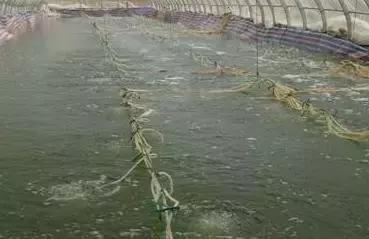
A lack of trace mineral elements not only affects the molting and shell hardening of shrimp and crabs, causing slow growth, but algal reproduction also requires large amounts of trace mineral elements. In intensive high-density farming ponds, supplementation relying only on feed and the water body is still not enough, and moreover the transformation between various substances in the water body is fast. Changes in total alkalinity, pH and hardness indicate a deficiency of trace minerals. Complete trace mineral elements will inevitably become a limiting factor, so regular exogenous supplementation is needed to promote algal reproduction, stabilize water quality and promote normal growth of shrimp and crabs.
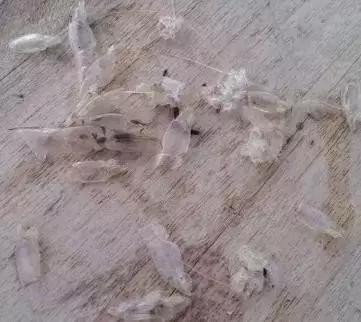
Alright, that's all for today's knowledge point. I believe that after reading this article, you already have some understanding of the role of trace elements. I hope everyone can pay attention to trace elements, and I hope everyone can raise this year's last crop of shrimp well and go home happily to celebrate the New Year. Everyone is welcome to keep following Love Shrimp Farming. I'm Zhumeng, and see you next time.