What should be noted when raising wild rabbits?
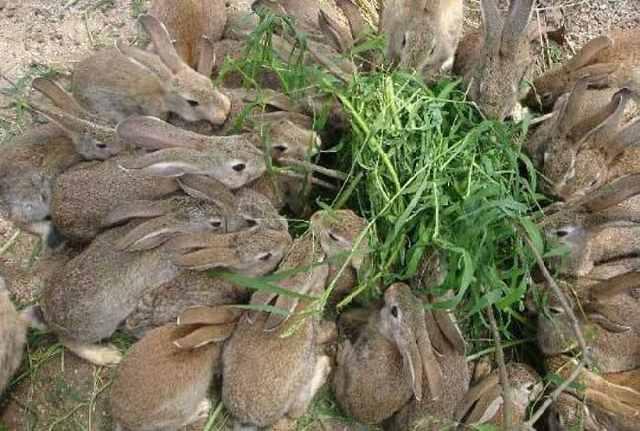
Temperature: Wild rabbits have extremely underdeveloped sweat glands and a dense coat on their body surface, so they are quite sensitive to ambient temperature. According to experiments, the optimal temperature for young wild rabbits is 30-35 °C, for juvenile wild rabbits 20-25 °C, and for adult wild rabbits 15-20 °C. This ambient temperature should be considered when building housing. Wild rabbits have a relatively strong tolerance for low temperatures; healthy wild rabbits can still live normally under conditions of -40 °C, though maintaining body temperature requires consuming more nutrition.
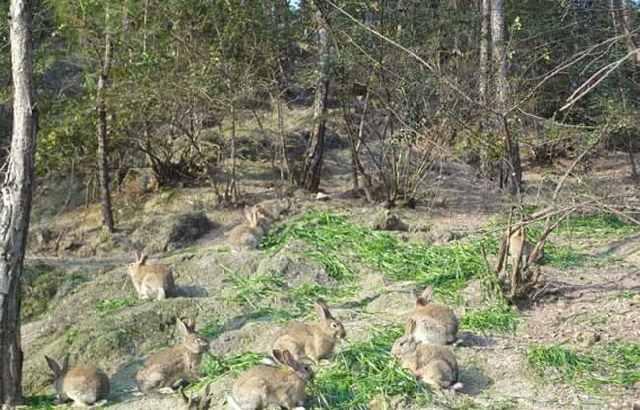
Humidity: Wild rabbits prefer dry conditions, and the most suitable relative humidity is 60%-65%, which generally should not be lower than 55% or higher than 70%. Low-temperature high-humidity and high-temperature high-humidity conditions are harmful to wild rabbits, as they are neither conducive to heat dissipation in summer nor to keeping warm in summer, and they also make it easy to contract internal and external parasitic diseases.
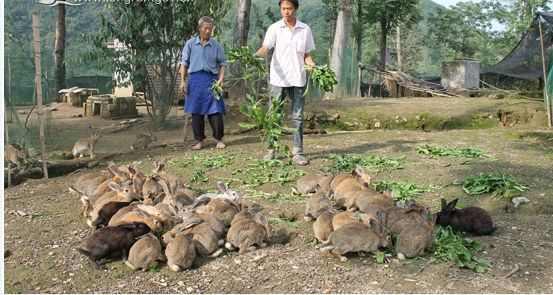
Ventilation: It is a good method for regulating the temperature and humidity of wild rabbit housing. Ventilation can also remove impure gases, dust, and excess moisture from the housing, and can effectively reduce the incidence of respiratory diseases. The feces and urine excreted by wild rabbits and the contaminated bedding, under certain temperature conditions, can decompose and release harmful gases such as ammonia, hydrogen sulfide, and carbon dioxide. Wild rabbits are highly sensitive animals, and their tolerance to harmful gases is lower than that of other animals. When wild rabbits are under conditions of high concentrations of harmful gases, they are very prone to respiratory diseases, aggravating the spread of pasteurellosis, infectious coryza, and the like.

Light: It has an important regulatory effect on the physiological performance of breeding wild rabbits. Appropriate light helps enhance the metabolism of wild rabbits, increase appetite, and increase the metabolic effects of calcium and phosphorus; lack of light can lead to a decline in libido and conception rate in wild rabbits. In addition, light also has effects such as sterilization, keeping the rabbit housing dry, and preventing diseases. Male and female wild rabbits have different light requirements. Generally speaking, breeding female wild rabbits require long light exposure, with 14-16 hours of light per day being optimal, manifested as a high conception rate, a large number of offspring, and the best breeding results.
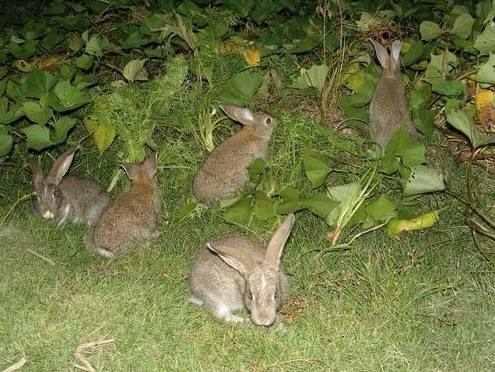
Noise: It is one of the important environmental factors. According to experiments, sudden noise can cause pregnant female wild rabbits to miscarry, and lactating female wild rabbits to refuse to nurse. The sources of noise are mainly 3 aspects: first, sounds transmitted from the outside; second, sounds generated by machinery and operations inside the housing; third, sounds of feeding, moving, and fighting generated by the wild rabbits themselves. If wild rabbits encounter sudden noise, they will become frantic, jump around wildly, stamp their feet and scream, leading to loss of appetite and even death.
This article is original by Sina Kandian (Weibo nickname: Zhiqing Zhisheng 6452567674), hereby declared.