Key points for breed selection and breeding in mutton sheep farming
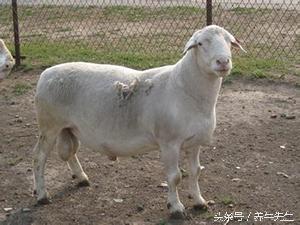
Do a good job of breed selection and breeding in sheep farming. Fertility is hereditary, and different breeds have different fertility rates. Some produce two litters a year or three litters in two years, but most breeds produce 2 to 3 lambs per litter, with some reaching 4 to 8 lambs. Therefore, to improve fertility, it is necessary to introduce prolific traits through crossbreeding and improvement, or to select prolific variations to fundamentally improve the production performance of the flock, and at the same time establish and improve a breeding registration system and a superior breed propagation system.
2. Select excellent breeding sheep. Excellent breeding rams have good body condition, abundant energy, short, thick and round necks, sturdy constitutions, rectangular bodies, deep and broad chests, straight backs and loins, long, broad and full rumps, testicles of moderate size and symmetrical left and right, a sheath opening relatively far from the base of the scrotum, and good semen quality. Any sheep with a single testicle, cryptorchidism or any reproductive organ deformity must not be used for breeding. Breeding ewes, on the other hand, should be selected for large individual size, compact body shape, full muscles, elastic skin, deep and broad chests, straight backs and loins, slightly larger hind abdomens, straight limbs, wide spacing, fast growth and development, high meat yield, many lambs, soft spherical udders, good milk performance, alert temperament, lively movement, light and quick walking, a high head carriage, and glossy coat color.
3. Optimize flock structure. Female goats generally should not exceed 7 to 8 years of age, and the overall flock structure is best with 47% breeding ewes, 50% replacement ewes and sheep born that year, and 3% breeding rams. In addition, besides replacing the breeding ram once a year to prevent inbreeding, work to cull old, sick, weak and chronically infertile sheep must also be strengthened to ensure that sheep of suitable age account for more than 70% of the total flock, so as to achieve stable and high production.
4. Strengthen feeding management. (1) Spring: The weather is relatively cold and changeable, and it is also the lambing season. Ewes bear a heavy burden and have weak constitutions, so the flock must be well controlled during grazing, stopping the strong to wait for the weak, walking less and eating more grass. (2) Summer: The weather is hot and there are many mosquitoes and flies, so grazing should be done early and late in the day to create a cool feeding environment for the sheep. Extend the time as much as possible so the sheep eat more grass. (3) Autumn: During grazing, change pasture frequently and choose places with grass seeds for grazing, prompting the sheep to accumulate more fat and laying a good foundation for breeding and overwintering. (4) Winter: Most ewes are in late pregnancy, and the climate is cold, so grazing should be steady and the amount of exercise appropriate. Farms and households with the conditions should appropriately supplement some high-quality hay and concentrate.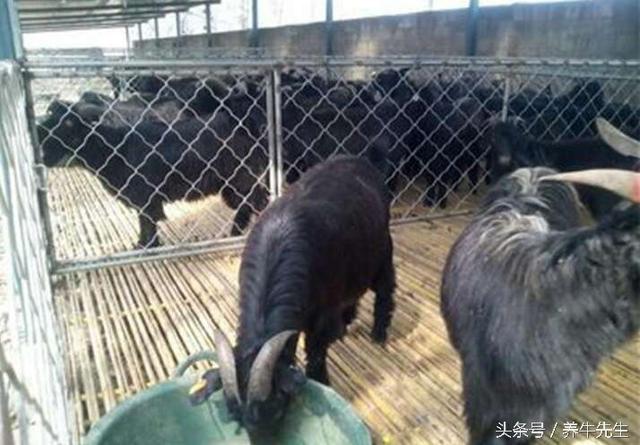
Zhang Guoqing, a graduate student at China Agricultural University, suggests: I recommend using corn silage to feed them, because silage or corn stalks can preserve the original nutrients and can also effectively kill pathogens and insect eggs in the stalks, thus reducing the harm of pathogens and insect eggs to livestock. Moreover, corn silage technology is simple, agriculturally manageable, low in cost and usable in all four seasons. In winter when feed is scarce, silage can be used as excellent feed for sheep. In some large farming enterprises, silage is the main feed throughout the winter, but note that when using silage, its quality must be guaranteed to be excellent and not moldy, otherwise it will cause gastrointestinal disorders in sheep.
WeChat: sdxdyz
WeChat public account: xdnyyzc
Website: www.sdnyjd518.com
Address: Luxinan Livestock Development Zone, Shandong Province