Broiler farming - the three major harms of poor ventilation and oxygen deficiency
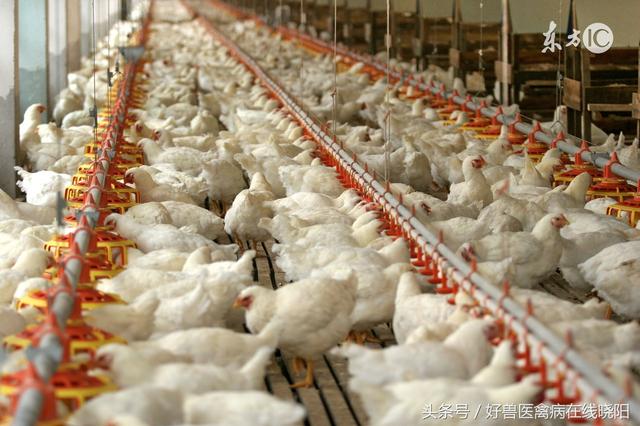
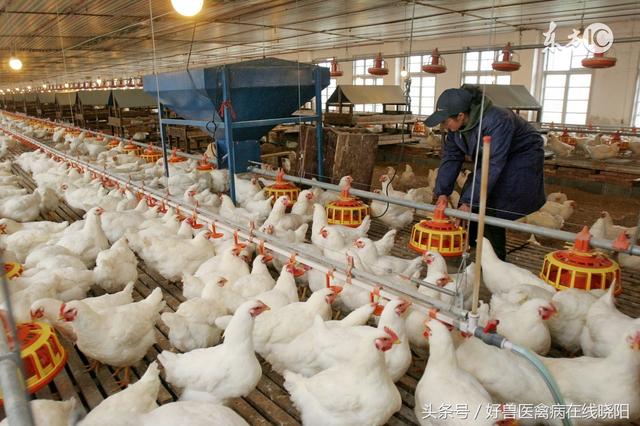
In chicken houses with high stocking density, the chance of airborne infectious diseases increases, especially when the ammonia content is high, which often induces respiratory diseases. The later-stage management of broiler production should focus on ventilation and air exchange. Because in the later stage broilers gain weight, eat more feed, and excrete more waste, the carbon dioxide they exhale, the body heat they give off, the moisture they excrete, the ammonia produced by the accumulated chicken manure in the house, and the dust floating in the air inside the house, if not discharged outside the house in time, will make the living environment inside the house increasingly worse. This will not only seriously affect the growth rate of broilers, but also increase the mortality rate of broilers.
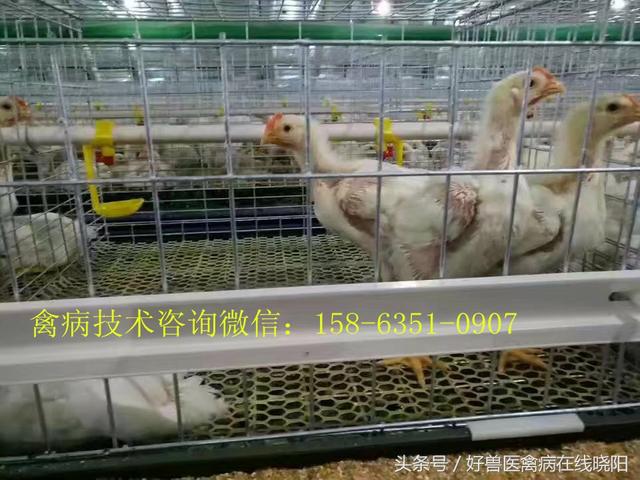
The "air sac inflammation" that is bred out, the "pneumonia" that is smothered out
Blindly keeping the chickens warm without daring to ventilate causes long-term oxygen deficiency in the chicken house, leading to lung function failure and thus an increased casualty rate. High temperatures also easily cause lung heat, which is difficult to treat, especially in the later stage of farming, when the probability of this situation occurring is very high. The temperature issue should be a process of gradual decline. Some farmers do not pay attention to ventilation and cooling in the early stage, afraid of freezing the chickens and afraid of the chickens catching cold. By around 25 days, problems follow accordingly. Having smothered the disease into existence, they ventilate vigorously, and the more they ventilate, the higher the mortality rate. At the same time, the respiratory condition worsens, so they no longer dare to ventilate, and instinctively start smothering again. After all this tossing about, whose chickens could stand it? At this point the farmers still say that these chickens are getting harder and harder to raise, and that they no longer know how to raise them.
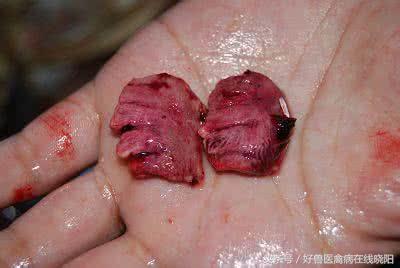
The lungs have no elasticity and no air pores; in severe cases, the air pores are all gone. After cutting open, foam comes out of the water; this is a basic indicator. Platelets are very high. At this degree, there is often one characteristic: the trachea is in good condition. In less severe cases, there is no problem with the trachea. Oxygen deficiency first causes lung lesions, then other diseases occur, and only when it is too severe does it develop into tracheitis. Oxygen deficiency means the alveoli contract forcefully to strengthen blood circulation, which is why capillary dilation occurs, and a large amount of water enters the lungs, so pulmonary edema is the first indicator.
Kidney swelling:
At this age, chickens grow relatively fast, have a high feed conversion rate, and have fast metabolism, while their organs are not fully developed, causing insufficient oxygen in the body and increasing the metabolic burden on the heart, liver, and kidneys. In addition, uneven nutrition in the feed, excessive protein and energy, and vitamin deficiency can also lead to the occurrence of this disease.
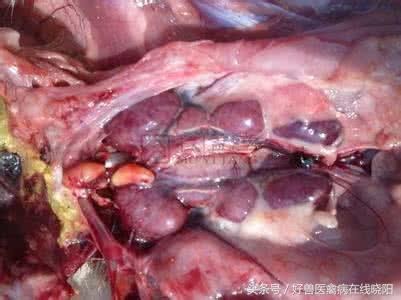
Broilers with kidney swelling mostly show listlessness, poor appetite, ruffled feathers, and unwillingness to move; malnutrition, anemia, and slow growth; white loose droppings; and in severe cases, mottled kidneys. Sick chickens often die acutely due to kidney failure. Chronic cases show stubborn diarrhea and, because of white loose droppings, stunted development or slow growth, and some sick chickens eventually die of exhaustion.
Pericardial effusion:
This is mainly related to the rearing environment: poor ventilation in the chicken house, excessive density, more harmful gases, and less oxygen, leading to oxygen deficiency in the broiler body. In order to obtain more oxygen, the broiler breathes faster. Over time, the lungs become congested, and among them the blood vessels narrow, so the blood flow from the heart to the lungs is obstructed. The right heart, as the driving force of blood flow, increases metabolically due to the increased burden, then becomes fatigued and relaxed, and cannot normally receive venous blood from the liver, causing liver congestion. The venous blood flowing from the intestinal tract to the liver is also obstructed, and the entire intestinal tract becomes congested.
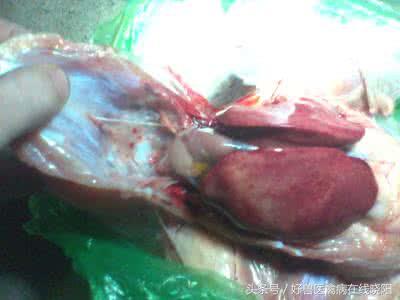
Because the body needs insufficient oxygen, the burden on the heart increases. Blood plasma then leaks out from the heart, followed by pericardial effusion. Moreover, this kind of chicken has one characteristic: the heart is deformed and looks like a peach heart. A truly normal one is triangular and elastic. Dead chickens caused by poor ventilation generally have one characteristic: more deaths at night, especially in the second half of the night. This is because oxygen deficiency is more likely in the second half of the night, when the outside air pressure is low.
This article was edited by Good Veterinarian Xiaoyang, and forwarding is welcome. For more farming knowledge, please follow my Toutiao account and discuss farming insights with you!