Detailed Guide to Growing and Caring for Viola cornuta
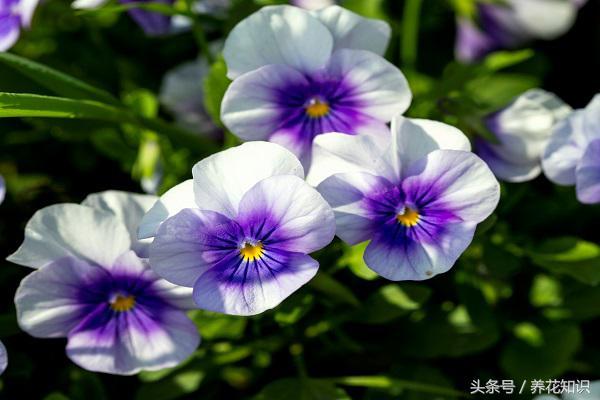
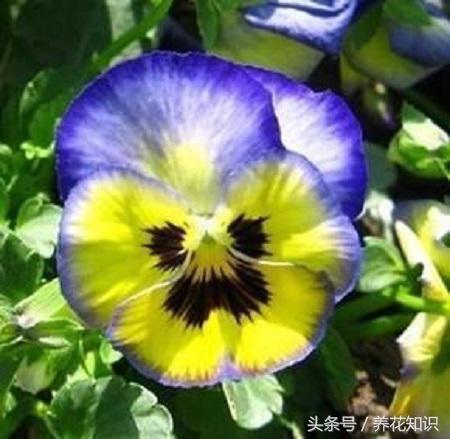
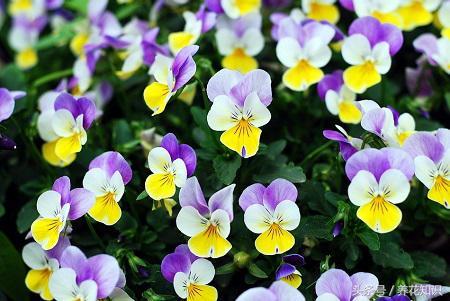
Viola cornuta is a lovely, petite flower. It originally grew in Northern Europe; for example, there are many beautiful Viola cornuta in Iceland, and the Pyrenees in Spain are the homeland of Viola cornuta. Nowadays, Viola cornuta can be seen everywhere in urban landscaping. Viola cornuta comes in diverse colors and has unusual markings, making it a very attractive flower. So how do we grow this beautiful flower at home? Below I will give you a brief introduction.
I. About How to Grow Viola cornuta
1. Light
The Europe where Viola cornuta originally grew did not have particularly abundant light, so Viola cornuta developed a characteristic of not being very sensitive to light. But Viola cornuta still very much likes sunlight; giving it more light normally will make it grow more branches. In shady places, its growth is not greatly affected either.
2. Soil
The soil should be sandy soil with a pH of 5.5 to 6.5, slightly acidic, with good drainage and plenty of organic matter. When sowing, you can use a 1:1 mix of peat and perlite. The soil must be kept moist.
3. Temperature
The place of origin of Viola cornuta determines its characteristic of tolerating severe cold, and it can even tolerate light frost. Viola cornuta in warm areas such as the south can make it through a winter. Viola cornuta cannot be grown in places with excessively high temperatures; 10°C to 15°C is the best temperature, and above 30°C it cannot grow normally.
4. Fertilizing
After Viola cornuta seedlings grow tender leaves, you can use 50 to 75 ppm nitrogen fertilizer, then gradually increase the concentration to 100 ppm. Potassium fertilizer should also be supplemented appropriately, with the two at a ratio of 1:1.5. A trace element solution should also be sprayed to supplement Fe and Mg.
5. Pest and Disease Control
Viola cornuta may be damaged by pests such as aphids, red spider mites, and thrips, so attention should be paid to the cleanliness of the growing environment, and it should not be planted in places with pests. Common diseases include leaf ring pattern disease, downy mildew, and so on. Controlling soil pH can also reduce the probability of Viola cornuta getting sick.
II. Precautions for Growing Viola cornuta
During the process of growing Viola cornuta, if hot weather occurs, you should cool it down promptly and place the plant in a ventilated place to prevent Viola cornuta from wilting. Viola cornuta cannot be watered too much, because Viola cornuta grows in a cool environment where water evaporates little, so it does not need too much water. Be careful to keep it indoors; Viola cornuta placed outdoors can hardly have the optimal growing environment. Viola cornuta has a relatively low demand for fertilizer, or at least it will not easily be burned by fertilizer. When the flowers at home need fertilizing, after watering them, give Viola cornuta a little too, and Viola cornuta will grow healthily and bloom little flowers of wonderful colors.