How to improve profitability in winter beef cattle farming? Key points for large-scale raising
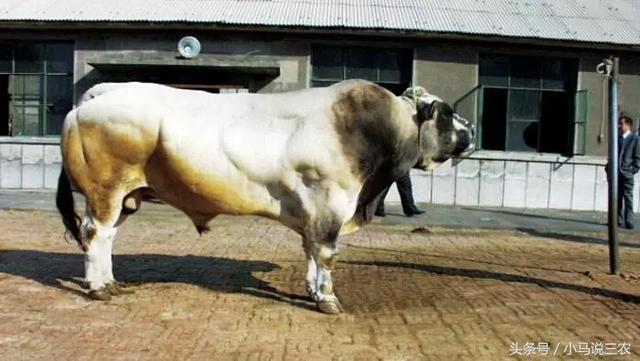 1. Choose good fattening cattle
For fattening cattle, choose Simmental, Charolais, Limousinand other beef cattle breeds orimprovedlocal breeds, healthy and disease-free, with a body weight of250 kg or more, aged 1-2 years, uncastrated bulls, and choose cattle with bright and spirited eyes, a moist muzzle, a large mouth, a strong appetite, a large feed intake, thick and strong limbs, glossy hair, a long body, and a deep and wide chest.
2. Adjust the cattle barn temperature well
The temperature inside the cattle barnat minimumshould be kept at5°C or above. If the temperature is too low, it will affect the cattle's weight gain, and the cattle will also lose condition. In winter, the cattle barn should be kept warm, covered with plastic sheeting, and leaks in the walls should be plugged with straw or mud, etc., which not only ensures the temperature inside the barn but also facilitates lighting, and at the same time the heat emitted by the cattle themselves will not be lost too much, so that the cattle can fatten and gain weight normally.
3. Master the feeding method well
Before fattening, cattle should be dewormed against internal and external parasites, with subcutaneous injection ofivermectinor oraldeworming medicine.Feed should be given coarse first, then fine, and water last. To reduce energy consumption, do not graze, exercise less, raise indoors tied up, feed at fixed times and in fixed amounts, and water at fixed times. In winter, drink warm water; the water should be clean and fresh. Let the cattle eat their fill at each meal, especially coarse feed, which should be chopped fine, and the forage should be clean.
4. Choose a good feed combination
Feed amounts and combinations should be formulated according to the cattle's body weight and weight gain rate, so as to achieve balanced and comprehensive nutrition.
Distillers' grains, cornmeal, soybean meal, salt, additives, silage corn stalks. When starting to feed distillers' grains, add a small amount, and after10 days of adaptation, gradually increase the feeding amount.
Leftover forage and feed must not be kept to the next meal or overnight; distillers' grains must be fresh and high-quality, and spoiled, moldy, frozen, or sandy or soil-contaminated ones must not be fed, to prevent poisoning
5. Do a good job of epidemic prevention and sanitary disinfection
Before fattening, cattle should be properly vaccinated and given preventive injections. The cattle body should be brushed1-2 times a day to keep the cattle clean; feeding utensils should be washed clean. Cattle beds, aisles, and walls should be regularly disinfected with caustic soda or lime, and unauthorized personnel are not allowed to enter or leave the cattle barn.
6. Choose the best time for marketing
Aftermore than 3 months of fattening, the cattle have become fat and strong. Generally, the dressing percentage can reach 58%, the net meat rate can reach 50%, and the average daily weight gain can reach more than 1.25 kg. At this time, the fattening cattle have grown to a certain weight, generally reaching more than 500 kg. If the market price is good, they should be sold quickly to get a good price; otherwise, it will increase feeding costs, reduce the weight gain rate, and affect economic benefits.