Can hairtail be farmed artificially? A clear explanation of the hairtail commonly seen on dinner tables
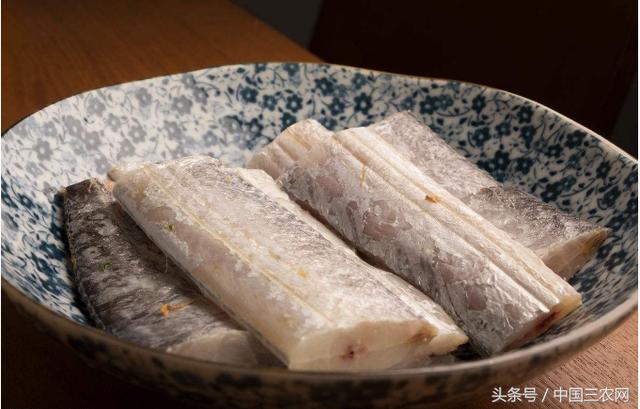
Hairtail is a deep-water fish. For example, the East China Sea largehead hairtail in China (accounting for more than 80% of the world's hairtail production) lives in the middle layer of seawater at about 60 m during the day, and at night it swims down to the seabed at about 100 m. In winter, when the temperature is cold, hairtail retreats to deeper areas. In addition, some hairtail species live year-round in trenches at a depth of 1000 m.
After being caught, hairtail "bursts" because it loses water pressure, and its internal organs rupture, causing it to die immediately. This is a major technical problem hindering hairtail farming. Hairtail cannot be farmed in shallow water, and deep-sea farming is relatively difficult, so there are currently no large-scale hairtail farms.
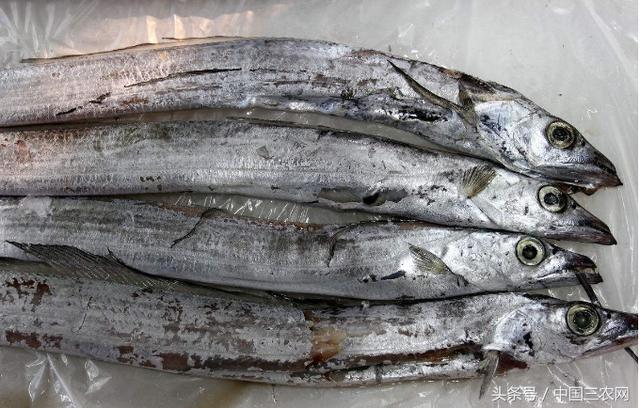
Even if the technical problems of hairtail farming were overcome, large-scale farming would still be unrealistic. Hairtail is abundant and the fishing cost is very low, and its market price is also very cheap. Considering expenses such as cages, feed and labor, the cost of hairtail farming would naturally be much higher than catching wild hairtail. In addition, farmed hairtail is certainly inferior to wild hairtail in taste and flesh quality, so it has little market prospect.
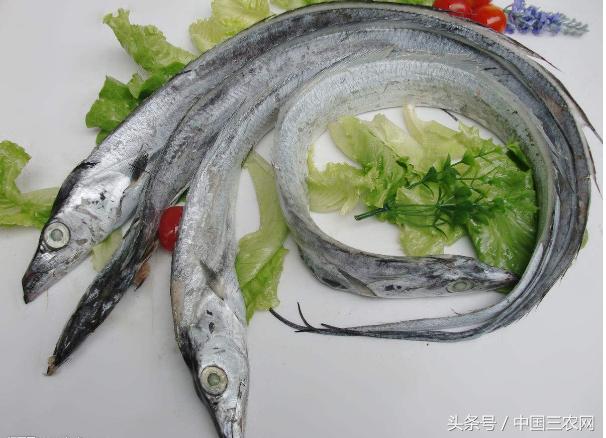
Of course, there is not no precedent for hairtail farming. In July last year, the Zhoushan Fisheries Research Institute of Zhejiang Province announced that it had overcome a worldwide problem: hairtail artificial rearing had succeeded. More than 300 hairtail from the deep sea were kept alive artificially for 2 months, breaking the deadly grip that hairtail die once out of water (deep water), and also filling a gap in domestic hairtail research. However, this is only a small step forward for hairtail farming and is not suitable for large-scale farming. Hairtail farming still has a long way to go!