Introduction to the Benefits and Uses of February Orchid and How to Grow It
There are many kinds of herbaceous plants in nature, and each has its own distinct characteristics. Have you heard of February Orchid? February Orchid is also called Zhuge Cai. Legend has it that when Zhuge Liang led his troops on a campaign, he once picked its tender shoots as a vegetable, hence the name. It is also named February Orchid because it blooms with blue-purple flowers in the second lunar month. So how much do you know about the benefits and uses of February Orchid? Do you also know how to grow it? Then let's take a closer look together below!
The Benefits and Uses of Zhuge Cai
1. Zhuge Cai is rich in nutritional value
Zhuge Cai is rich in carotene and vitamins, making it a flower with abundant nutritional value. For people, it is edible, and it is very good for our health. The nutrients in Zhuge Cai are far higher than those of other flowers, even exceeding everyday vegetables, which shows how rich its nutritional elements are.
2. The seeds of Zhuge Cai can be pressed for oil
Every part of Zhuge Cai is useful, and almost all of it is edible. Its seeds in particular can be used to press oil, and it is one of the original materials for rapeseed oil. Today, as oil prices keep rising, the competitiveness of salad oil is also gradually weakening. Considering both health and saving money, rapeseed oil is sure to rise prominently in the future.
3. The medicinal value of Zhuge Cai
Zhuge Cai can lower cholesterol levels in the body, and it can also cleanse the blood vessels, thereby softening them. This effect can prevent the formation of blood clots and reduce the probability of developing some cardiovascular and cerebrovascular diseases. Therefore, people with the "three highs" or middle-aged and elderly people, who are at high risk of cardiovascular and cerebrovascular diseases, can eat Zhuge Cai regularly, which can help maintain health.
A Brief Introduction to February Orchid
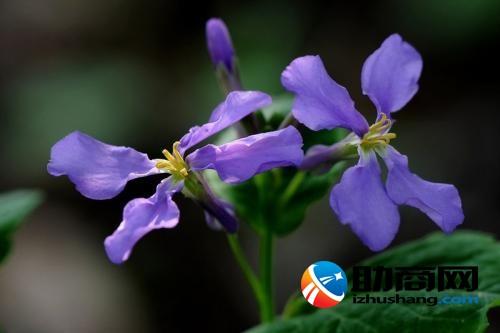
The stem of February Orchid is upright and only single. The petals have fine delicate veins. The flowers are mostly blue-purple or pale red, and as the flowering period continues, the flower color gradually fades, eventually turning white.
February Orchid is a common wild vegetable in northern China. Its tender stems and leaves grow in relatively large amounts and are rich in nutrients. Its tender leaves and stems are edible; after picking, they only need to be blanched in boiling water to remove the bitterness before eating. The seeds can be collected together for pressing oil. Thus, every early spring, people who enjoy wild flavors go into parks or other wild areas where Zhuge Cai grows in abundance to dig it up for eating. Excessive harvesting will damage the population of Zhuge Cai.
Growth Characteristics of February Orchid
1. Strong cold resistance. It is also relatively shade-tolerant. Used as ground cover, it has a good covering effect, with lush green leaves, a stretch of verdant green that people love.
2. Strong adaptability. It can grow from Northeast China and North China all the way to East China and Central China. In winter, if there are heavy frosts and snow, some leaves may freeze, but in early spring it can still sprout new leaves, bloom and set seed. It is not strict about soil requirements.
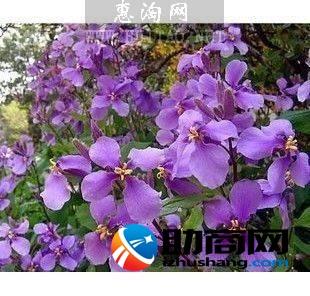
3. The purple flowers open successively from bottom to top, blooming continuously from February to May or June. Especially when planted in groups, it looks like a sea of blue-purple. If planted by riversides or sea embankments, the green leaves, sea of flowers, seawater and blue sky interweave together, which is very spectacular.
4. Zhuge Cai has a strong ability to self-propagate; once sown, it can form its own community year after year. Each year from May to June, after the seeds mature, they fall into the soil on their own, green seedlings grow out in September, the seedlings overwinter, bloom in late spring, set seed in summer, and continue year after year. It is often planted in garden green spaces, forest belts, parks, residential communities and under elevated bridges, and is widely used as flowering ground cover. The seed source is abundant and the price is cheap; sowing costs only a few jiao per sq m. Therefore, it is adopted by many landscaping projects, parks and tourist attractions. Experts also suggest planting February Orchid in large patches at airports. It not only covers the ground with green in winter and produces patches of purple flowers in spring, but it can also continue to self-propagate and needs little maintenance. It can be mixed with other plants and is a good variety combining many advantages.
Sowing Method
First prepare the potting soil, and try to choose a medium-deep and wide flowerpot, so the results will be better. Fill the flowerpot with soil mixed from garden soil, perlite and plant ash, and add a small amount of base fertilizer.
Evenly scatter the prepared seeds into the pot, cover with a thin layer of soil, water thoroughly, cover the flowerpot with glass or plastic film to ensure a certain temperature and humidity, and then manage it normally. When the seedlings emerge, supplement sunlight in time.
How to Grow February Orchid
Water and Fertilizer Requirements
February Orchid is a wild flower and wild vegetable, very easy to manage. It does not require you to be very careful; just remember to water it often.
February Orchid likes fertilizer. Sufficient nutrients can make February Orchid grow robustly and also promote flowering. In general, it needs fertilizer four times a year: once when flower buds grow in early spring, once after the flowers fade, once after fruiting, and once before winter. Of course, during the growth of February Orchid, you can appropriately spray potassium dihydrogen phosphate solution, and the flower color will be more brilliant and the fruit will be fuller.
Repotting and Pruning
Potted February Orchid has relatively high requirements for potting soil (do not compare it with outdoor field planting; there is no comparison), so during care it should be repotted once a year. Usually use garden soil, perlite, plant ash and an appropriate amount of base fertilizer.
In order to ensure a good ornamental effect of February Orchid, you should control it so it does not set seed, so during the seed-setting period, pay attention to pruning it. Cut it to a height of 10~15 cm. Do not be reluctant to do it!
Precautions for Growing February Orchid
The care method for February Orchid is very simple. It has no strict requirements for temperature and humidity. As long as the environment is not very harsh, it can grow very well.
That is the end of the introduction on how to grow February Orchid and its benefits and uses. If you like February Orchid, you can grow it in pots, because its ornamental value is very high. When growing it, be sure to pay attention to using the correct management methods. You can refer to the methods introduced above to grow it, which will make your February Orchid have lush leaves and abundant flowers. I hope this introduction can help everyone.