How to grow Clivia? Detailed guide to cultivation methods and precautions
However, there are quite a few key points to note. Below, the editors at Jingyanshu share with you the cultivation methods and precautions for Clivia. This plant has opposite leaves and can absorb dust and pollutants from the air. Its growth period is long, up to 4-5 years, but its flowering period is also long, lasting 1-2 months. Clivia is a herbaceous plant of the genus Clivia in the Amaryllidaceae family, usually blooming from December each year to March of the following year. The planting process and cultivation methods for Clivia are very simple.
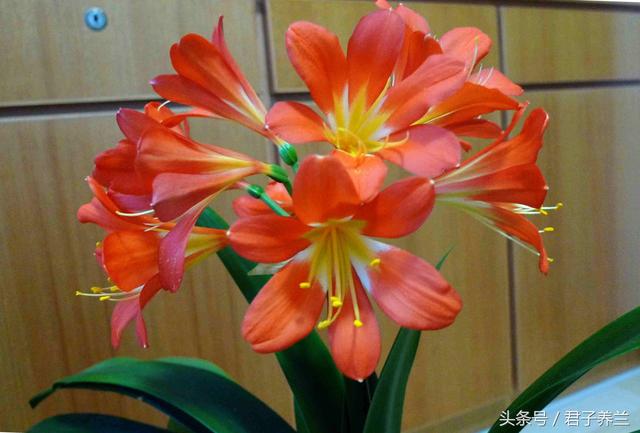
Cultivation methods for Clivia:
1. Soil:The native habitat of Clivia is beneath the large trees of high-altitude forests in southern Africa, where its roots are embedded in leaf litter that has accumulated over many years. Clivia should be grown in loose, fertile neutral or slightly acidic humus soil. The growing medium can be mixed from 65% humus soil, 20% clean sand, and 15% fine stove ash. The relative humidity of the soil should be around 40%.
2. Temperature:The suitable temperature for Clivia growth in winter is 15-20°C, and it is best not to go below 10°C. After the flower scape emerges, the temperature should be maintained at around 18°C, and the day-night temperature difference is best kept at around 10°C. Otherwise, the flower scape will bloom before reaching the proper height, easily resulting in "stuck scape."
3. Soil:Avoid overly dry or overly wet conditions. Each watering must be thorough, and after buds appear, water a bit more. About every 20 days, combine watering with a application of fermented soybean cake water, diluted fishy water, or water from soaking water chestnuts, combining watering and fertilizing. When room temperature is low, control watering to prevent the potting soil from becoming too wet, as overly wet soil can cause root rot and plant death, but the soil should not be allowed to become too dry either.
4. Fertilizing:For Clivia, apply a solid fertilizer once in winter, use less nitrogen fertilizer, and apply more phosphorus and potassium fertilizer. Eggshell powder and decomposed fishy water are good phosphorus fertilizers, while chaff ash and tobacco ash are readily available potassium fertilizers. A compound fertilizer of nitrogen, phosphorus, and potassium can also be applied to encourage the sprouting of more new shoots and leaves. Fertilizing must be done in moderation, and never apply concentrated fertilizer or raw, unfermented fertilizer, otherwise it can easily cause leaf tip scorching or rot.
Precautions for growing Clivia:
1. During the growth period of Clivia, keep the potting soil moist. During the high-temperature semi-dormant period, the potting soil should be on the drier side, and water should often be sprayed on the leaf surface to lower the temperature. Clivia likes fertilizer; repot once every 2 to 3 years in spring or autumn, adding leaf mold to the potting soil. Rotate the pot regularly to prevent leaves from leaning to one side.
2. Clivia likes a semi-shaded, cool environment, and must avoid high temperatures, strong light, and dryness. 15-25°C is the most suitable temperature; below 5°C it enters dormancy and stops growing, and high temperatures are also unsuitable, so attention should be paid to cooling in summer. Otherwise, the leaves will become narrow and elongated, affecting their ornamental value, so cool it down in good time.
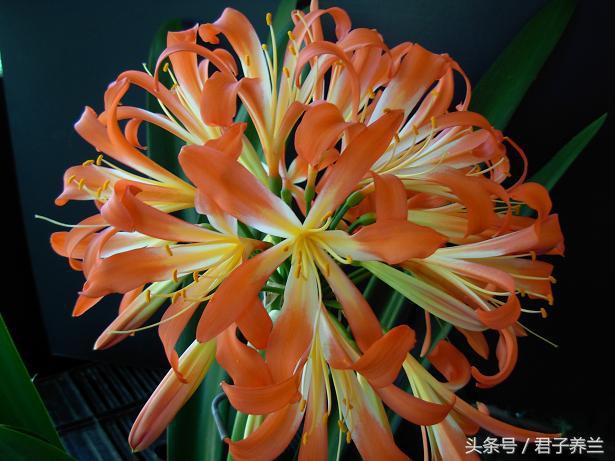
Cultivation methods and precautions for Clivia:
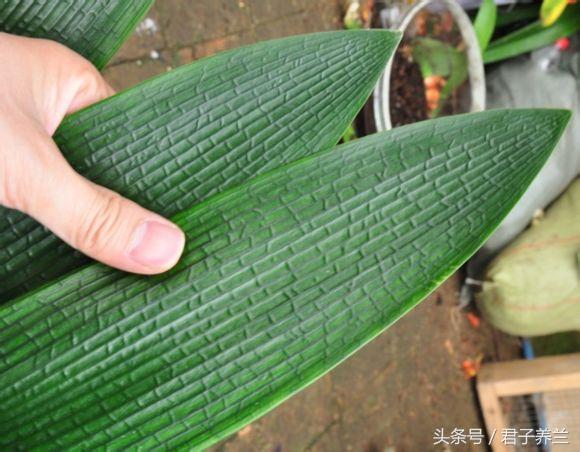
Clivia belongs to the Amaryllidaceae family and is a perennial evergreen herbaceous plant. Its leaves are broad and strap-shaped, hard and thick in texture, with a glossy surface and veins.
The flowers of Clivia are not as magnificent as peonies, nor as fragrant as jasmine, nor as colorful and graceful as roses. But it has sword-like green leaves, broad, thick, and glossy; fire-red flowers blooming elegantly, with red and green complementing each other. It is an ideal potted flower for beautifying the environment.
Environmental requirements for growing Clivia:
Temperature requirements:The most suitable growth temperature for Clivia is 15-25°C. Growth stops at 10°C, and it suffers frost damage at 0°C. Therefore, in winter it must be kept warm and protected from freezing. After the flower scape emerges, maintaining around 18°C is appropriate. If the temperature is too high, the leaves and flower scape will grow leggy, thin, and weak, with small flowers of poor quality and a short flowering period; if the temperature is too low, the flower scape will be short, easily causing stuck scape and premature flowering, affecting quality and thereby reducing ornamental value.
Soil selection:Clivia is suitable for soil rich in humus. This kind of soil has good aeration and drainage, and is fertile with a slightly acidic nature (pH 6.5). Mixing about 20% sand grains into the humus soil can help nourish the roots.
Light requirements:Clivia is a medium-light plant. During growth, diffused light is best; strong light is not needed during growth, and direct sunlight must especially be avoided in summer. Appropriate shading is beneficial for leaf growth. If exposed to strong light during the winter flowering period, the flowering period will be shortened. Medium light can extend the flowering period. If earlier flowering is desired in winter, short-day treatment can be used.
Fertilizer and water management for growing Clivia:
Clivia has different nutrient requirements at different stages of growth and development. Therefore, different fertilizing methods suited to the plant's needs should be adopted at each stage, such as base fertilizer, top dressing, and foliar feeding. The type of fertilizer should also vary according to the season. For example: in spring and winter, it is suitable to apply some phosphorus and potassium fertilizers, such as fish meal, bone meal, and sesame cake, which can help leaf vein formation and improve leaf glossiness; in autumn, applying a decomposed infusion of animal hair, horn, hoof, or soybean cake is suitable, diluted with 30-40 times water before watering, which can help leaf growth.
Many flowers like fertilizer, but fertilizing fertilizer-loving flowers also has a limit. Too much fertilizer will be detrimental to growth and may even cause root rot or scorching of the plant. Clivia also belongs to this category of plants, so fertilizing must be done in moderation.
In summer, spray water once a day to wash dust off the leaf surface and increase humidity; it generally likes moisture, so during the growing season the soil should be kept moist, and water should often be sprayed or sprinkled on the leaves to increase air humidity, but too much water will cause leggy growth and affect appearance, so generally keeping the soil moist is sufficient.
Under normal circumstances, water once a day in spring; in summer, use a fine watering can to water the leaf surface together with the surrounding ground, and on sunny days water twice a day; in autumn, water once every other day; in winter, water once a week or less. However, it must be noted that this refers to "normal circumstances." It must be handled flexibly according to various conditions. In other words, it should be determined according to specific conditions, with the principle of ensuring the potting soil is soft and moist, not too dry or too damp.
Clivia has relatively well-developed fleshy roots, and the roots store a certain amount of water. Therefore, this flower is relatively drought-tolerant. However, even drought-tolerant flowers cannot be severely deprived of water, especially in summer when high temperatures are combined with dry air, timely watering must not be forgotten. Otherwise, the roots and leaves of the flower will be damaged, resulting in new leaves failing to sprout, the original leaves scorching, not only affecting flowering but even causing plant death. However, too much watering will cause root rot. Therefore, it must be well controlled, frequently checking the dryness and moisture of the potting soil. When it becomes half-dry, water once, but the amount should not be too much. Keeping the potting soil moist but not soggy is just right.
Potted plant care for growing Clivia:
Avoid water accumulation in the potting soil, otherwise it will cause yellow leaves and root rot. During the flowering period, more water is needed. When watering, do not pour water on the leaves to prevent leaf rot. When dust is found on the leaves, gently wipe the leaf surface with a soft cloth; do not wash it with large amounts of water; fertilizing Clivia. The "dilute fertilizer, frequent application" method should be used. During the growing season, apply top dressing of dilute decomposed cake fertilizer water, and during spring and autumn growth apply a nitrogen-based fertilizer once every 7-10 days.
Plant 1 plant per pot. When cultivating, use larger pots as the plant grows. For one-year-old seedlings, a 10 cm clay pot is suitable; in the second year, switch to a 15 cm clay pot; thereafter, switch to a clay pot one size larger every 2 years. Repotting is best done in spring and autumn, with a temperature of around 20°C being most suitable. When repotting, add superphosphate to the growing medium and mix evenly as base fertilizer. When transplanting, first poke a hole with a bamboo chopstick, insert the fleshy roots into the soil, with the depth such that the root crown is buried and the bulb is exposed, and at the same time make sure the leaves face the same direction.
Clivia must avoid high temperatures (above 30°C) and intense sunlight in summer. Cooling measures should be taken, placing Clivia in a cool, low-temperature, well-ventilated semi-shaded spot. Winter sunlight is soft, so it should be placed in a spot indoors with ample light. A room temperature above 100°C will allow it to overwinter safely. During care, leaves often tilt and affect the beauty of the plant shape, so attention should be paid to the direction of light, which should be parallel to the direction in which the leaves extend. Rotate the pot 180 degrees every week so that light is received evenly, which benefits growth, and the arrangement of the leaves will be neat and beautiful, enhancing the ornamental effect.
For young Clivia plants purchased from the flower market, or young plants grown from softwood cuttings that have taken root, plant them in pots, with 3-5 plants per pot. For the potting soil, use leaf mold, garden soil, and a small amount of river sand mixed evenly, plus a small amount of roasted, crushed eggshells as base fertilizer. Do not use clayey or alkaline soil, otherwise it will cause poor growth and yellowing leaves. After potting and settling, water thoroughly and place in a ventilated, semi-shaded spot indoors. After 15-20 days, place in a ventilated spot indoors with ample light.
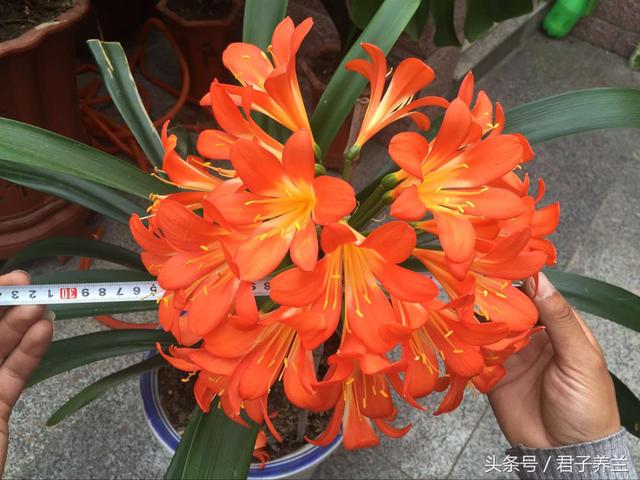
Propagation methods for growing Clivia:
Clivia is propagated by division and by sowing.
(1) Tissue culture propagation
Because Clivia has a long sexual reproduction cycle and a low asexual reproduction coefficient, in order to accelerate Clivia propagation, the style, flower stalk, ovary wall, embryo, seeds at the milk-ripe stage, ovary, receptacle, and filaments can be used as explants, and tissue culture can be used to propagate Clivia, providing a new approach for the rapid propagation of superior Clivia varieties.
(2) Division propagation
Division is carried out from April to June each year. Cut and plant the axillary buds. Because the mother plant has a well-developed root system, when dividing, the whole pot can be tipped out and the potting soil slowly separated, taking care not to break the roots. When cutting the axillary buds, it is best to keep 2-3 roots; after cutting, apply fungicide to the wounds of both the mother plant and the small buds. After the young buds are potted, control watering and place in a shaded spot; after half a month, normal management can resume. If there are rootless axillary buds, they can also survive by the cutting method, but rooting is slow. Divided seedlings begin to flower after three years and can maintain the good traits of the mother plant.
(3) Seed propagation
Seed propagation is carried out immediately after the seeds mature and are harvested, because Clivia seeds cannot be stored for long. After harvesting, first wash off the outer seed coat and dry in the shade. The sowing temperature is around 20°C, and seedlings emerge after 40-60 days. Seeds sown in pots require loose potting soil rich in organic matter, and after sowing they can be covered with glass or plastic film.