Raising Methods for Insect-Fed Chickens and an Analysis of Common Breeding Misconceptions
Follow the Toutiao account“Warm Love”, and let's learn and exchange techniques and experience in the breeding process together and progress together!
Insect-fed chickens refer to chickens raised during the breeding process mainly on fresh, livefly maggots, yellow mealworms, earthwormsand other insect bodies as feed, and it is an ecological breeding method. The main breeds selected aresuch as Henan Gushi chicken, French guinea fowl, silkie, British Lady Amherst's pheasant, partridge chicken, seven-colored pheasant, mountain black-skinned chickenand others, generally relatively valuable local chicken breeds.
Because fresh bait such as insects is rich in nutrients and highly fresh and lively, it can accelerate the growth of insect-fed chickens, enhance their disease resistance, improve their nutritional value, and also effectively save feed costs. The key technical points for raising insect-fed chickens are introduced below:
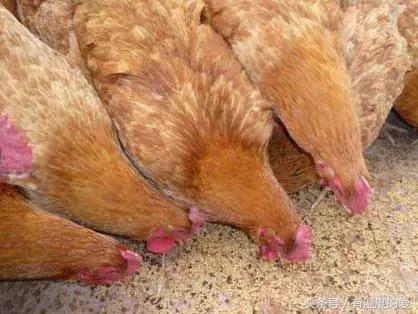
Raising Methods for Insect-Fed Chickens
I. Mountain and forest breeding method:
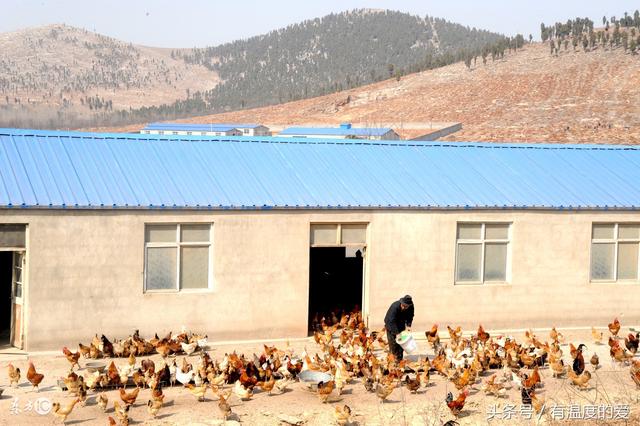
1. For raising insect-fed chickens in woodland, the facilities requireisolation facilitiesaround the area, and walls or fences can be built; a brooding house should be set up so that the flock can move indoors and feed and drink during the night and in windy and rainy weather, and there must befeeding and water supply equipment, with the water supply equipment distributed throughout the woodland.
2. Insect-fed chickenslaying hens should also have feeding appropriately restricted during the laying period. If they are allowed to eat freely, body weight will increase and fat will be deposited, leading to a decline in the laying rate. The feed amount for laying hens is mainly determined by the level of egg production and body weight, and the feeding amount increases or decreases with the rise or fall of the laying rate. Especially after the peak laying period, the feed amount must be controlled, usuallyreduced by 8%-12% based on the free-feeding amount, which saves feed and also reduces mortality. When pecking vice occurs, in addition to eliminating the causes of the bad habit, it should also be appropriately increased in the feed.
3. Strengthen management according to the condition of wild resources.If they cannot eat their fill during the day, feed should be added to the troughs at noon and in the evening, and an additional feeding is needed at night.Severalhooded light bulbsneed to be hung outside the chicken house to supplement lighting at night, and they can also attract insects to feed the chickens and prevent wild animals from approaching the flock.
Avoid mixed raising of different ages to preventmutual fighting, spread of chicken diseases, and inconvenience in implementing production measuresfrom affecting production. Reduce accidental deaths and losses, and prevent harm from wild animals. Woodland is generally in the wild, and many wild animals may enter the orchard, such asweasels, rats, snakes, eagles, wild dogsand others. These wild animals may cause harm to insect-fed chickens of different ages.
4、Sanitation and epidemic prevention must keep pace, cleaning feces in the woodland in a timely manner, disinfecting regularly, vaccinating on time, feeding antibacterial and antiparasitic drugs at the appropriate time, and handling sick chickens promptly.
II. Ecological insect-raising method:
The ecological insect method is to raise insect-fed chickens by culturing insects artificially. The key to this method is how to culture insects. As long as there is fresh bait such as maggots, feeding becomes much simpler. Common insect-culturing methods include the following:
1. Thin porridge insect-culturing method.Choose 3 small plots of land and splash thin porridge on the ground. Cover it well with grass and such, and be careful to prevent rain and water soaking. After 2 days, small insects will appear. Let the chickens eat the insects in turn, and this can meet the chickens' demand for protein feed.
2. Rice straw insect-culturing method.Dig a rectangular soil pit 0.6 m wide and 0.3 m deep, cut rice straw into 6-7 cm long sections, boil them in water for 1-2 hours, take them out and pour them into the pit, cover them with 6-7 cm thick sludge (ditch mud or pond mud, etc., the same below) and garbage, compact the sludge, and pour 1 basin of rice-washing water every day. After about 8 days, insects will appear. Turn it over and let the chickens peck them all, then cover it again with sludge and such, pour rice-washing water, and insects can continue to grow.
3. Soybean cake insect-culturing method.Crush a small amount of soybean cake (or peanut bran, etc.) and ferment it together with okara, then after fermentation mix it with blighted grain and leaves, place it in a soil pit 20-30 cm deep, cover it with a layer of thin sludge, cover it tightly with grass and such, and after 6-7 days insects will appear.
4. Okara insect-culturing method.Pour 1-2 kg of okara into a vat, pour in rice-washing water, cover the mouth of the vat well, and after 5-6 days insects will appear; after another 3-4 days, the maggots can be eaten by the chickens. Using 6 vats to culture insects in turn can meet the needs of 50 chickens.
5. Rotted grass insect-culturing method.In relatively fertile land, dig a soil pit 1.5 m wide, 1.8 m long and 0.5 m deep, lay a layer of rice straw at the bottom, spread a layer of okara on it, then cover with a layer of cow dung, and cover the dung with a layer of sludge. Continue layering in this way until the pit is full, and finally cover with a layer of grass. After about 1 week, insects will appear.
Misconceptions in Insect-Fed Chicken Breeding
Misconception 1: Feeding chickens live insects can make the chickens have a better appetite and grow faster.
Taking earthworms as an example, it is true that the palatability of live earthworms is indeed better than that of feed or earthworm powder. Live earthworms wriggling on the ground can attract the chickens' attention, guide the chickens to peck at them, and to a certain extent increase the chickens' pecking intake.
But in fact, live earthworms have not been heated and sterilized, and the parasites in the earthworms' bodies have not been killed, and they are eaten into the chickens' stomachs along with them. There are also examples showing that after chickens eat live earthworms, the parasites in the earthworms' bodies transfer to the chickens' intestinal tract, causing the chickens to suffer from digestive tract diseases and eventually leading to death.Experts suggest that when feeding earthworms, it is best to process them and add earthworm powder or dried earthworms to the feed.
Misconception 2: "Ecological insect-fed chickens" must eat insects all the time to be authentic insect-fed chickens.
Consumers certainly think that the more insects the chickens eat, the better the chickens are, and some breeding beginners will certainly have the same breeding misconception. "Insect-fed chickens" do not need to be fed insects all the time. At the chick stage, the digestive function is not fully developed, and the required nutritional structure should mainly be balanced. Excessively feeding "insects" will make their nutrition single and unbalanced, resulting in poor chick quality.
Yellow mealworms and earthworms are high-protein feeds, and the amount used must be appropriate. Generally, for free-range raising, it is enough to appropriately add "insects" to the feed during the 1-3 months. Feeding too much insect feed will instead cause stress reactions in the chickens due to unbalanced nutrition. Moreover, for breeders, increasing the feeding amount of yellow mealworms increases the feed cost of raising chickens. For their own economic interests, using "insects" for feeding throughout the whole process is also not a desirable breeding model.Experts believe that in raising "ecological insect-fed chickens", under the premise of ensuring the interests of both consumers and breeders, the quality of the chickens should be improved as much as possible, rather than breeding blindly.
Misconception 3: "Ecological chicken" breeding should start from the "baby" stage, and free-range raising should begin at the chick stage.
Chicks are the earliest growth stage of chickens. Because the chicks' bodies are still in the developmental stage, their ability to regulate temperature, nutrition and various other aspects is very weak. Free-range raising of chicks can easily cause death due to inability to adapt to the environmental temperature, greatly reducing the survival rate, and the economic benefits of the chicken farm are also greatly affected.In order to improve the survival rate and the quality of chicks and bring the chicks up to standard, indoor raising or shed raising should be adopted during the brooding stage.