What to do about orchid leaves with scorched tips? Treat home-grown orchids this way
Orchids often develop scorched tips. In an otherwise healthy pot of orchids, the ends of the leaves begin to scorch and turn black, ruining the beauty of the whole pot.
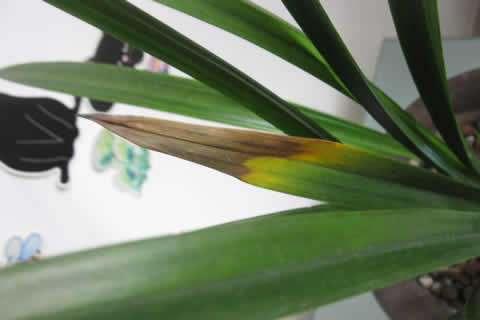
Scorched orchid leaf tips are generally caused by these reasons: first, the normal metabolism of the orchid plant; second, pests and diseases; third, improper watering and fertilizing; fourth, some external factors that affect the growth of the orchid plant, such as the environment. But there is no need to worry. As long as it is not very serious, we just need to cut off the scorched tip portions of the orchid plant. Even if it is caused by pests or diseases, it will not affect the normal growth of the orchid plant.
If the scorching of orchid leaves is serious, you can consider doing some rescue work from the following aspects:
1. Pests and diseases
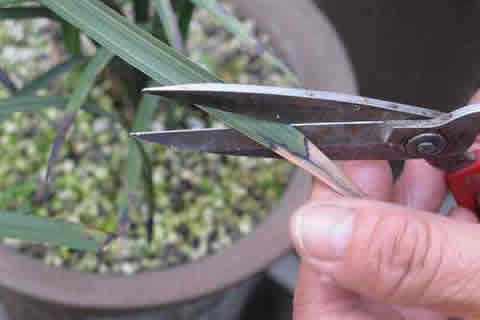
If, along with scorched leaves, the orchid plant also shows scorched leaves, rotten leaves, rotten roots, and so on, you should check whether the orchid plant has been infected by pests or diseases. For home-grown orchids, this kind of pest or disease problem is generally more likely to occur in summer and autumn. If infected by disease-causing bacteria or pests, it is relatively easy for pest and disease problems to appear. Once confirmed, promptly clean up the leaves and roots where pests or diseases have occurred, cut off the scorched tip portions of the orchid plant, and then use a fungicide to disinfect.
2. Fertilizing and watering
Watering is the primary step in orchid cultivation. Only when the skill of watering is done well can the orchids flourish and bloom normally. For watering, rainwater is the first choice. If tap water is used, it should first be left out in the open for a day before use. Orchids are plants that prefer dryness. In particular, their fleshy roots must not be waterlogged, otherwise they will rot, causing scorched leaves and withered leaves. Therefore, when watering, you should pour from the edge of the orchid pot to keep the orchid leaves from holding water.
When fertilizing orchid plants, you should try not to use strong fertilizer and instead use more dilute fertilizer, applying a small amount of fertilizer each time but more frequently. In spring and summer, a little more fertilizer can be applied; in autumn, reduce the frequency; in winter, basically no fertilizing is needed.
3. Other external factors
Factors that affect scorching of orchid leaves also include the environment, weather, temperature, humidity, air, and so on.
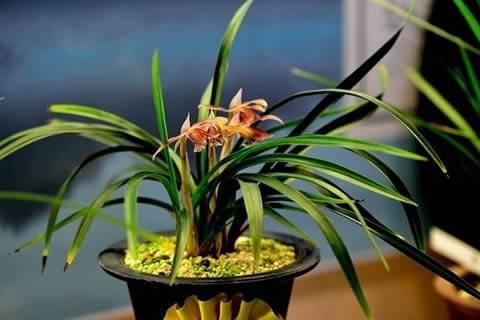
If conditions allow, place the orchid leaves as much as possible in an environment without air pollution and with fresh air. According to weather changes, promptly move the orchid plants to a place where they will not be exposed to cold or rain and can receive sunlight. At the same time, pay attention to the air around the orchid plants and ensure the circulation of fresh air.
The characteristics of orchids determine that cultivating orchids is a time-consuming and labor-intensive task. In the process of cultivating orchids, orchid enthusiasts must constantly summarize and practice to improve their level of orchid cultivation, so that the orchids you grow look pleasing to the eye and your room is filled with the refreshing fragrance of orchids. Source: Lao Yao Blog