What Is the Investment Outlook for Rare Turtle Farming? A Detailed Analysis
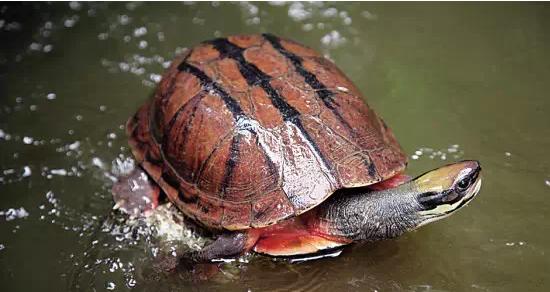
For those born between the 1960s and the 1980s, entrepreneurship has always been a hot topic, and how to make money and how to reinvest capital is a subject people never tire of discussing. Some say speculate on real estate, on gold, on antiques. But in Guangdong and Guangxi, there is a group of people who are farmers, white-collar workers and industrialists, yet they all share the same identity: turtle and soft-shelled turtle farmers. While the national economy is sluggish and gold prices fluctuate wildly, these turtle farmers have been able to grow bigger and bigger and thrive. Investment carries risk, so why can the turtle farming industry, especially rare turtle farming, stay unaffected? We have to start with the characteristics and prospects of rare turtle investment...

Rare turtle farmers are active in tropical-leaning regions such as the Pearl River Delta, Guangxi and Hainan. As early as the 1970s, they had already entered the period of artificial farming, and to this day it is still developing at a high rate. Turtle farming is relaxed and comfortable, and turtle farming requires no rushing about - this is how most turtle farmers feel. In Guangdong, Guangxi and Hainan, the atmosphere around turtle farming is extremely strong. In all kinds of high-end restaurants, on the dining tables of private kitchens, at morning tea tables and even when people gather at street corners to chat, one question always comes up: the breeding techniques and investment returns of rare turtles!
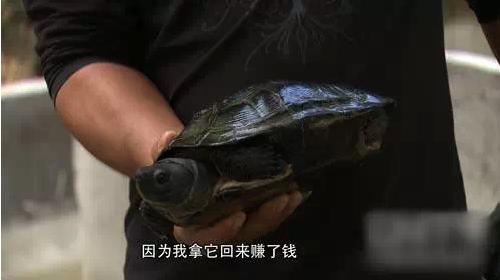
In the course of more than 20 years of development and standardization, more and more people have joined this emerging wealth-building team in the farming of rare turtles such as the golden coin turtle, the stone coin turtle and the black-necked turtle. What is the charm of rare turtle farming? How can it attract people to join this team? Where do its operability, practicality and development prospects lie? Let us first listen to the voices of those "turtle men" and "turtle women" who have already entered the rare turtle farming industry and take pleasure in turtles.
I. Turtle Farming Is Truly a Joy
According to incomplete statistics, the average age of farmers investing in rare turtle farming is around 45 or above. These people have gone through the hard-working young and middle-aged years of starting businesses and all have a certain amount of capital in hand, so reinvesting and preserving the value of their funds has become their primary way forward. Since developing the rare turtle farming business, they go to bed early and rise early every day, change the water for the turtles they raise, water the flowers and plants beside the turtle ponds, and pick up eggs during the laying season, treating it all as morning exercise. After finishing these easy tasks, they often invite three or five old friends to sit in a teahouse, drink morning tea, chat and talk about turtle lore. Compared with other industrial businesses that rush about all day, rare turtle investment combines pleasure with labor, leisurely and content - one could say it is truly carefree.
II. Investment Is Easier
The crazy era of real estate and stock investment has passed; buying shops, opening stores, opening factories, and investing in jade and gemstones have all taken shape; in a period when risk-control policies are constantly tightening, some people's assets have lost their investment direction and can only sit idle in the bank waiting to depreciate. Capital is unwilling to sit idle, yet people do not want to make cumbersome industrial investments again. How can this capital dilemma be solved? Is there an investment method that can both preserve and increase the value of funds without being troublesome? The farming of rare turtles such as the golden coin turtle, the stone coin turtle, the black-necked turtle and the Annam turtle points the way for these capital flows, owing to the advantages of rare turtle investment: First, no need to hire help - family members can handle it; Second, no need to rent a place - any idle space at home or the existing rooftop of a factory can be used directly; Third, daily care and feeding are simple to operate, maintenance costs are low, and there is no worry of regret. These conveniences have so far attracted more and more idle funds to pour into the rare turtle industry.
III. No Worries About Buying and Selling
The rare turtle market is currently a seller's market. New farmers keep joining and need to buy rare turtle seedlings or adult turtles for breeding investment, so at this stage farmers who own rare turtles do not need to worry at all about being unable to sell when they want to sell - it can be said that as long as they want to sell, all the experts in the trade rush to buy. Demand exceeding supply makes rare turtle profits relatively high, while the long growth cycle of rare turtles extends the time before they are put on the market, ensuring the continuity of farmers' profits. Therefore, farmers who currently raise rare turtles do not need to worry about market risk at all.
IV. High Medicinal Value
More and more people have come to recognize the high medicinal value of the golden coin turtle, the stone coin turtle and the black-necked turtle in medicine and diet, and these turtles have gradually become tonic products recognized by high-income groups. Whether it is the sky-high-priced turtle soup offered in various private kitchens or the high-end health tonics derived from turtle farming, both have moved the medicinal value of rare turtles such as the golden coin turtle from theory into practice. This not only points the way for rare turtle farming but also strengthens the confidence of newcomers to the rare turtle farming industry, making this industry bigger and bigger.
V. Building Wealth Through Three-High Agriculture
At this stage, demand for rare turtle seedlings keeps rising, and the prices of rare turtles keep climbing, causing the funds of farmers who have already invested in rare turtle farming to keep appreciating. Among farmers who invested in rare turtles 5 years ago, their funds have already multiplied several times over. The output of rare turtles brings farmers a wealthy life with things like rare-turtle buildings, and it also drives more related industries such as turtle boxes and feed, bringing more jobs.
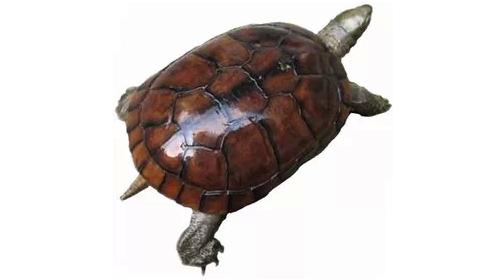
With strong advantages such as high investment returns, simple operation, low care costs, no worries about buying and selling, and high medicinal value, rare turtle investment has won the recognition of a large number of farmers, so investors and people with idle money keep joining the farming business. To this day, the rare turtle industry continues to develop and is currently in the seed-preservation stage, so the prospects for rare turtle farming are broad and unlimited.