Orchid Care FAQ: A Must-Read for Beginners
1. The leaves of my orchid are always soft and limp, looking half-dead. What should I do?
A well-growing orchid leaf looks green, has a glossy sheen, and feels springy to the touch. If the leaves lose their springiness and look listless, there is a problem with the orchid's roots. On the last day of the normal watering cycle, tip the potting medium out and check whether water has accumulated in the pot.
If water is pooling in the pot, the potting medium is not ideal. Add some granular medium such as crushed stone or peanut shells. If that still does not work and the orchid starts to die, you will have to switch to a different, more suitable potting medium.
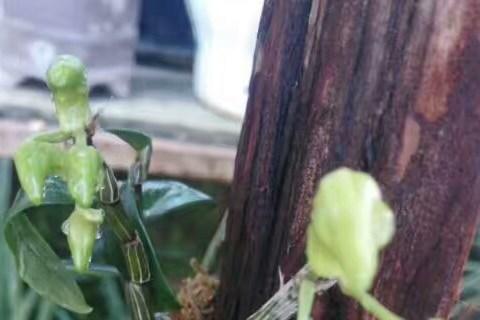
2. My orchid has developed black spots. What should I do?
When this happens to an orchid, you can approach it from these two angles, find the root of the problem, and then solve it:
One case is that the orchid seedling is not vigorous and has weak resistance, and then black spots appear. The problem may be poor potting medium and poor root growth, so you need to check the medium and see whether water is accumulating. The other case is that the orchid has a pest or disease. Black spots most often mean anthracnose, and you can apply an 800-fold dilution of Shibaogong (mepanipyrim) to curb the progress of the disease.
At the same time, note that when the temperature is too high, you must shade the orchid and provide ventilation.
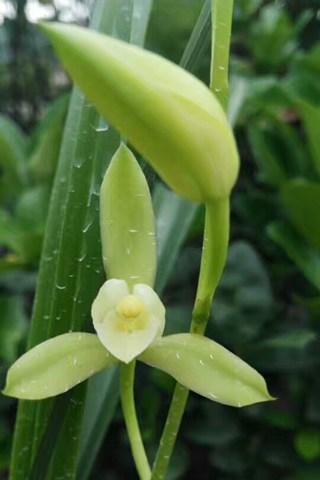
3. What causes yellow leaves on an orchid?
When an orchid develops yellow leaves, there are generally two causes:
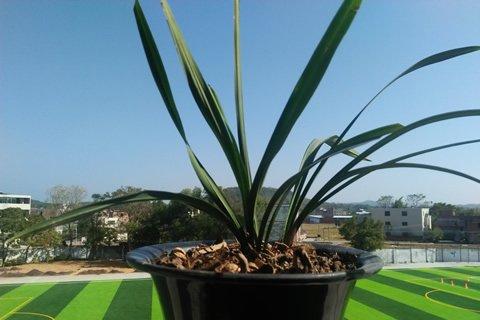
The first is normal metabolism. In this case, the yellow leaves usually appear on old pseudobulbs, and the pseudobulbs show no abnormality. The leaves turn yellow from the outer leaves inward, and from the leaf tip toward the stem.
The second is disease. The disease may be stem rot, soft rot, or southern blight. Yellow leaves mostly occur on new shoots, spreading from the central leaf outward and from the leaf tip, and the pseudobulbs often turn black and rot. If this happens, remove the diseased plant, soak it in a fungicide such as carbendazim or hymexazol to eliminate pests and disease for more than one hour, then use fresh potting medium and repot. Source: Lao Yao Blog