How to Grow a Potted Kumquat Tree: Detailed Guide to Cultivation Methods and Precautions
[Introduction]The kumquat tree is a tree species that produces small, adorable oranges, also known as the kumquat tree. The fruit of the kumquat tree is not only delicious and sweet, rich in nutrients, and can be used in dietary therapy to help people stay healthy, but its fruit is also round and lovely, charming and compact, with very high ornamental value. It can be said that the kumquat tree is a typical fruit-ornamental tree species and also an excellent choice for bonsai creation.
The kumquat tree is a subtropical tree species that can be grown in most areas of our country, and this is especially true for potted kumquat trees. As long as cold protection measures are taken, they can also be cultivated in cold northern regions.
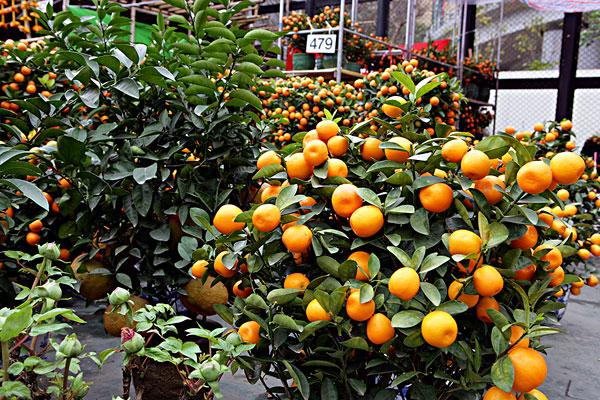
Growth Habits of the Kumquat Tree
Subtropical tree species. It prefers warm, humid environments with ample sunlight. It is relatively cold-tolerant, drought-tolerant, slightly shade-tolerant, and also averse to extreme heat. For cultivation, fertile, loose, acidic soil is best.
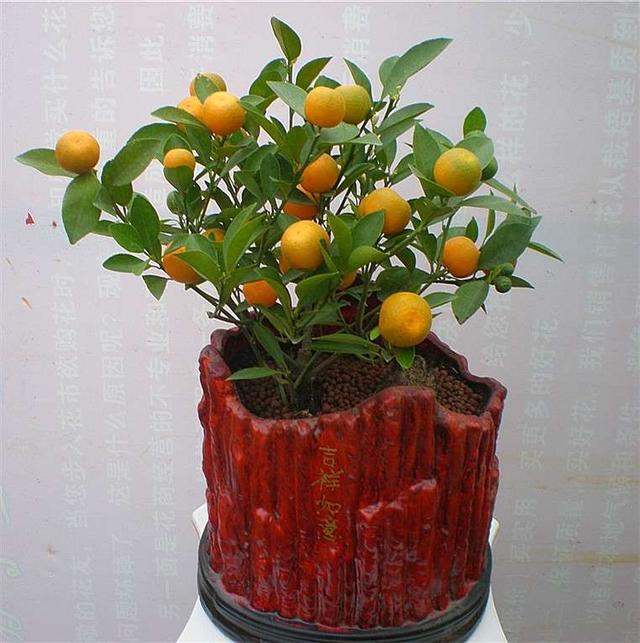
Cultivation Methods and Precautions for Potted Kumquat Trees
1. For potted kumquats, choose a breathable clay pot. Use broken tile pieces at the bottom to create a drainage layer to facilitate drainage. For the potting soil, use well-aerated, relatively fertile, slightly acidic or neutral sandy loam. You can prepare the growing medium with five parts leaf mold, three parts garden soil, and two parts fine river sand. It is best to spray and disinfect before use. Select seedlings with well-developed root systems and robust growth, and plant them in pots before spring budding. Choose a flower pot with a diameter of 20-25 cm and place a piece of broken tile over the drainage hole.
2. Kumquats love light but fear intense water; excessive light can easily scorch the leaves. In spring, they can be placed in a wind-sheltered, sunny spot. In summer, they need to be cultivated under a shade net, especially avoiding direct strong light at noon. They can be given sunlight before 9 AM and after 5 PM. In early autumn, 30% of light should also be blocked. In late autumn and winter, they should be placed in a sunny spot indoors to receive full light.
3. Kumquats love warmth. When the temperature drops below 10°C in late autumn, they should be moved indoors promptly. In winter, the indoor temperature is best kept between 6 and 12°C. Too low a temperature makes them susceptible to frost damage, while too high a temperature affects the plant's dormancy and is not conducive to flowering and fruiting the following year. After Qingming in spring, windows can be opened appropriately for ventilation to help them gradually adapt to outdoor temperatures. They can be moved outside only after the Grain Rain solar term. In summer, they should be placed in a shaded, ventilated area, and water should be sprayed frequently to increase humidity and lower temperature.
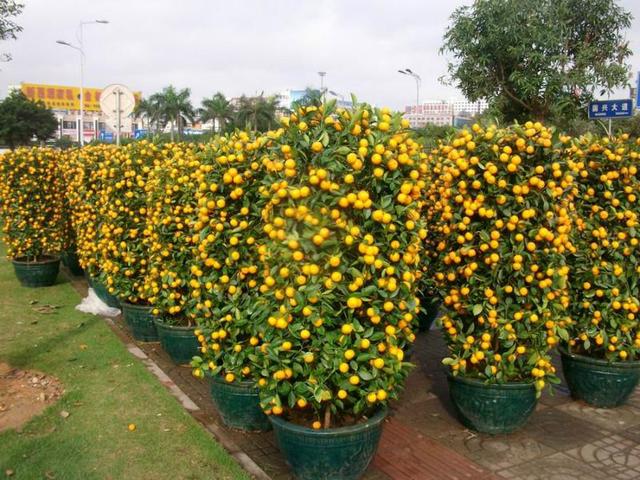
4. Because flowering and fruiting require large amounts of nutrients, fertilization should be carried out except in winter. During flower bud differentiation and fruiting, fertilize once a week. Do not overwater; it is best to "water thoroughly only when completely dry." Too much water can cause root rot. In spring and autumn, water thoroughly once every 2-3 days. On sunny days in summer, water once a day, maintaining the potting soil moisture content at around 70%. In winter, it depends on the overwintering environment; generally, water once every 7 days. If it is during the period when the current year's autumn shoots stop growing, watering should be controlled. Water can be sprayed on the leaves 2-3 times a day at noon and in the evening to promote flower bud differentiation. After spring shoots sprout, fertilization should be increased accordingly. During the flowering period and fruit enlargement period, a small amount of urea can be added to liquid fertilizer made from soaked sesame paste residue, and the liquid fertilizer concentration should increase correspondingly with growth. To extend the fruiting period, apply fertilizer once more in winter.
5. Kumquats bloom in all four seasons and bear fruit in all four seasons, so they can be pruned at any time. Pruning involves cutting off fruit, drooping branches, and diseased or weak branches. For the upper dense branches, remove the strong and keep the weak, thin them out appropriately, basically ensuring that every branch is pruned, so that the whole plant takes on a hemispherical shape. The pruning principle before fruiting is: after the first flush of the single-bud cut-graft seedling matures, cut back heavily leaving 10 cm to set the trunk. After the main branches of Baosheng have lignified and before new shoots emerge, cut back again to promote new shoots. At the same time, strengthen fertilizer and water management, strive for multiple flushes of shoots in the same year, and expand the canopy.
6. The main pests and diseases include red spider mites, scale insects, leaf miners, canker disease, and scab disease, among others, and should be controlled promptly.
7. To make the flowering period uniform, the method of controlling water can be used: after watering, do not water again until the leaves curl due to lack of water, then water again. Repeat this 3-4 times to promote uniform flowering.
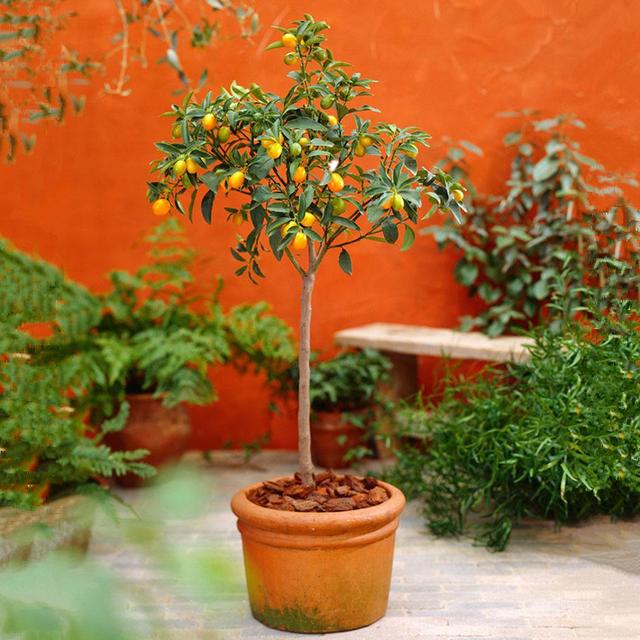
The fruit-ornamental effect of the kumquat tree is the primary reason it can be grown in pots to beautify the home. Therefore, in cultivation and care, our main goal is to ensure that its fruit quality is not damaged. We must be very careful and rigorous in cultivation.
Follow WeChat ID: xiaobency. Shared daily around 9 o'clock, listened to by ten thousand people.