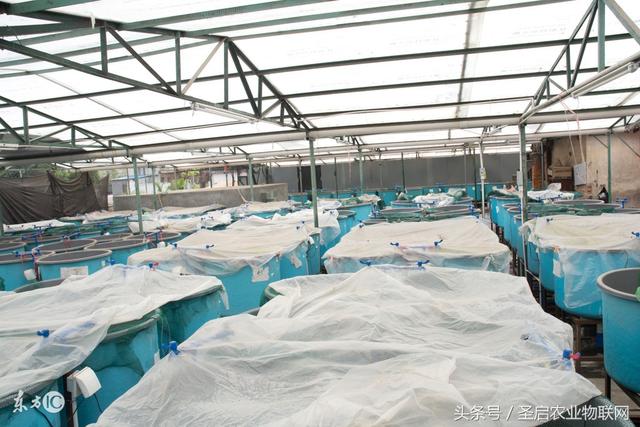
What are the main functions of a remote monitoring system for aquaculture?
The remote monitoring system for aquaculture has the following functional features. Of course, you can also choose the corresponding functions according to your situation; not all functions need to be configured, which can save you some costs.
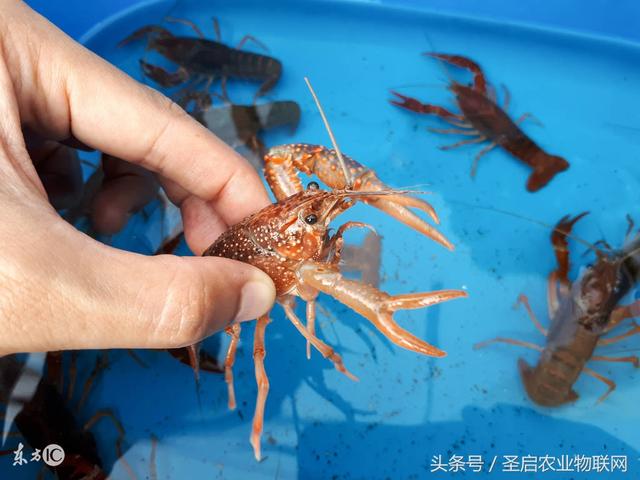
1) On-site video function: Use network cameras to capture video of the conditions in each aquaculture pond (different cameras are used above water and underwater), and recording can be carried out around the clock.
2) Water temperature control function: Collect and process the water temperature signal of each aquaculture pond in real time, and automatically turn on the heating system when the water temperature is low.
3) Oxygen control function in water: The scientific name for oxygen in water is dissolved oxygen. Use dissolved oxygen sensors to collect and process the dissolved oxygen concentration signal of each aquaculture pond in real time, and automatically turn on the aeration system when the dissolved oxygen content is low.
4) Automatic liquid level control function: When there is not enough water in the pond, immediately start the pumping equipment; when the pond is full, it stops automatically. It can display the current water level in the pond at any time. When the liquid level is higher than the warning water level, it will also alarm to prevent the occurrence of natural disasters such as flash floods.
5) Automatic flow monitoring function: Monitor the water flow at the pond outlet at any time. When the flow is too low, an alarm is triggered or the pumping function is started. It is especially suitable for ponds that require continuous water flow.
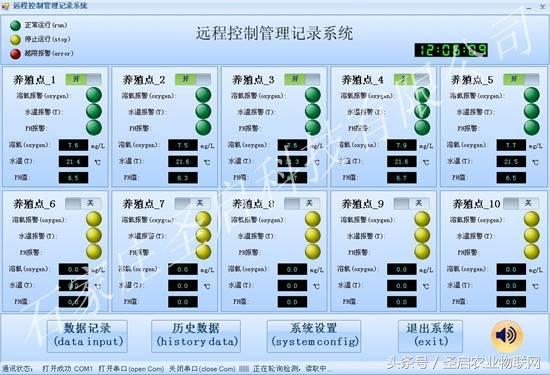
6) For other factors such as light, ammonia nitrogen, sulfide, nitrite, and pH, corresponding water quality sensors and water quality pH sensors can be selected according to the situation for real-time signal collection and processing.
7) Infrared beam function: When suspicious persons enter the area, immediately record video and alarm, preventing unknown persons from stealing valuable aquatic products such as fish or soft-shelled turtles, or preventing illegal elements from entering the pond, and preventing children from intruding into the aquaculture area and falling into the aquaculture pond, among various other undesirable occurrences.
8) On-site geographic location display: When an alarm occurs, the corresponding geographic location will be displayed on the screen.
9) Sound and image alarm function: When an abnormality occurs, the computer in the control room pops up the video and alarm content of the alarm location, and at the same time provides an audible alarm prompt.
10) Distributed sound and light alarm function: Corresponding sound and light alarms can be installed in places where alarm prompts are needed, such as on-site alarms, so that timely handling can be carried out.
11) SMS alert function: When an abnormality occurs, a text message is sent to your mobile phone, so even if you are not on site, you can keep track of the alarm situation at any time.
12) Network function: When you are not on site and want to check everything on site, the network function is needed. All on-site sensor information and video signals can be grasped in a timely manner.
13) Some functions can be custom-developed according to customer needs to meet customer requirements.