Why is pond clearing and disinfection so crucial for aquaculture in winter and spring?
Why do ponds need disinfection?
Aquaculture ponds are prone to sediment accumulation at the bottom due to feeding, fertilization, animal excretion and many other reasons. To ensure the safety and health of farmed animals, disinfection work such as draining, removing silt, freezing, sun-drying and applying chemicals must be carried out regularly.

In recent years, labor costs have risen sharply. To save time, effort and money, farmers often simply use high-dose chemical disinfection, causing serious consequences such as chemical residues in ponds, disease and even death of aquatic products, and even accidents of chemical damage to aquaculture water sources caused by the reckless discharge of untreated sewage.
To reduce economic losses and environmental pollution caused by improper choice and use of chemicals by farmers, the correct disinfection methods for winter and spring aquaculture ponds are introduced as follows:
Purpose of pond disinfection
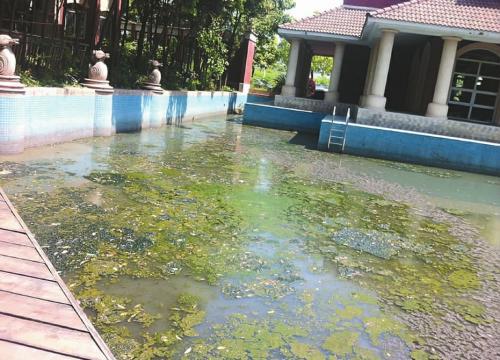
(1) To kill wild organisms in the pond. Such as fish, shrimp, crabs, mussels, snails, frog eggs, tadpoles, leeches, etc., to prevent them from competing for food, oxygen and space with the next year's farmed species and from spreading diseases.
(2) Eliminate pathogenic microorganisms.Such as bacteria, fungi, viruses, parasite eggs, etc., to reduce the occurrence of diseases in farmed animals.
(3) Kill aquatic plants.Such as moss, algae, etc., especially filamentous algae such as moss, which consume a large amount of nutrients in the pond water, making the pond water extremely infertile, preventing zooplankton from reproducing in large numbers, and entangling fish fry and shrimp and crabs.
Recommended disinfection products
(1) Quicklime.It is one of the most effective chemicals for pond clearing and disinfection, capable of killing wild organisms, pathogenic microorganisms and aquatic plants; it can improve water quality, improve pond soil, and directly play a fertilizing role. When choosing quicklime for pond clearing, it is best to use lump lime freshly transported back from the lime kiln before disinfection, free of impurities, and use it immediately.
(2) Bleaching powder.Bleaching powder decomposes in water to release hypochlorous acid and alkaline calcium chloride. Hypochlorous acid immediately releases nascent chlorine, which has a strong sterilizing effect and kills harmful organisms. Bleaching powder used for pond clearing must contain 28%-30% effective chlorine.

(3) Microbial preparations. We recommend using 603 Antibacterial Water Purifying King - Potassium Monopersulfate Compound Salt
It is mainly a potassium monopersulfate triple salt complex, a fifth-generation oxidant. Its oxidizing capacity exceeds that of most oxidants such as chlorine dioxide, sodium hypochlorite, sodium dichloroisocyanurate, trichloroisocyanuric acid and potassium permanganate, and it is safe, efficient and environmentally friendly; it integrates functions such as antibacterial action, detoxification, oxygen enrichment, bottom improvement, potassium supplementation and algae phase balance, reducing the incidence of disease in aquaculture organisms.
Precautions
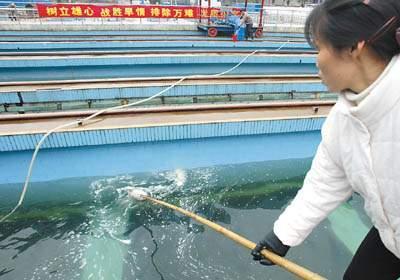
1. Disinfection should be carried out on sunny days. On cloudy and rainy days with low temperatures, the efficacy is affected. Generally, disinfect on sunny days with a water temperature of about 10°C. When the water temperature is 3-5°C, the dosage should be appropriately increased by 30%-40%. For ponds with thicker silt, the dosage should be increased by about 10%. For details, please consult our company's technical personnel.
2. Pay attention to safety during operation. Bleaching powder is highly corrosive; do not let it touch skin or clothing. When sprinkling, stand on the windward side and sprinkle with the wind.
3. Detoxification treatment is required after disinfection. 1) If improper selection or use of chemicals during the previous farming cycle led to the accumulation of chemical toxins, especially the formation of chemical residues in the bottom mud. 2) Old ponds and pond bottom soil accumulate and contain a certain amount of heavy metal ions. In the above situations, detoxification treatment is required, and a certain period of time (generally more than 1 month) must pass before fry and seedlings can be stocked.
4. Do not discharge disinfected pond water recklessly. If disinfected pond water is discharged into external rivers without detoxification treatment or with insufficient detoxification, it will cause the chemical concentration in the water area to seriously exceed the standard and pollute the water source environment. If this causes accidents of chemical damage to aquaculture water sources, the fishery administrative authorities and environmental protection departments will pursue responsibility, including even criminal liability.
5. Eliminate banned drugs. Some farmers, during pond clearing and disinfection, often intentionally or unintentionally (some commercially available drugs contain banned drug ingredients) use prohibited drugs, leading to hidden dangers for the safety of aquatic products in the future. Therefore, the drugs used for pond clearing and disinfection must comply with the Ministry of Agriculture announcements "List of Veterinary Drugs and Other Compounds Banned for Food Animals" and the "Guidelines for the Use of Fishery Drugs for Pollution-Free Food" (NY5071).