Cultivation Methods and Precautions for Kumquat and Ornamental Kumquat
The kumquat tree is an evergreen shrub or small tree. Its fruit is golden yellow with a delicate fragrance, and it remains on the tree for a long time, making it an excellent ornamental fruit plant. It is suitable forpotteddisplay and bonsai, and its taste is sweet and sour, so it is planted as a fruit tree in the warm regions of the south. The kumquat tree prefers sunny, warm and humid environments, is not cold-tolerant, slightly shade-tolerant, drought-tolerant, and requires well-drained, fertile, loose, slightly acidic sandy loam soil.
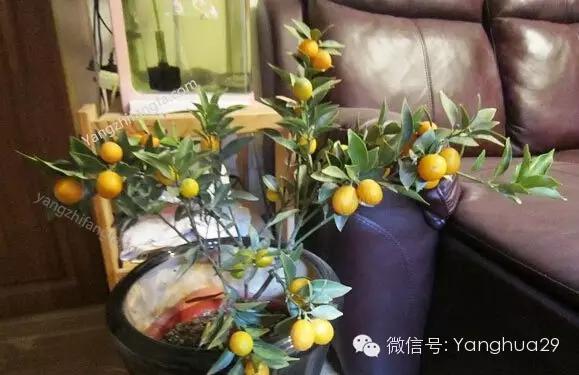
Cultivation Methods for Kumquat Trees
The kumquat tree is a light-loving plant, yet excessively strong sunlight leads to poor growth and development. The suitable average annual temperature for growth is above 15°C, the optimal growth temperature is 23°C to 29°C, growth stops above 35°C, and frost damage occurs at -2°C. Kumquat trees generally do not need cooling in summer; moving them indoors before Frost's Descent and outdoors after Qingming allows them to overwinter safely.
Kumquat trees can be propagated by graftingpropagation. The rootstock is trifoliate orange, bitter orange or seeded seedlings. Grafting methods include cleft grafting, bud grafting and approach grafting, and branch grafting, using the cut-grafting method in spring from March to April. Bud grafting is carried out from June to September, and potted plants commonly use the approach grafting method, carried out from April to July.
Kumquat trees need more water during growth and development. Generally speaking, water moderately in springwatering. Summer has strong light and high temperatures, so more water is needed. However, it must be timely and moderate, otherwise fruit drop will occur. Autumn is the period of autumn shoot growth and rapid fruit enlargement, so sufficient water is essential. Late autumn and winter are the flower bud differentiation period, and the potting soil should be on the dry side. Kumquat trees prefer fertilizer; besides applying sufficient base fertilizer when potting and repotting, the principle of frequent light fertilization should be maintained during the growing period.FertilizingThe number of fertilizations and the amount applied must be determined by growth vigor and phenological stage. For liquid fertilizer, fully fermented cake fertilizer water is preferable, with a cake-to-water ratio of 1:200. Northern soil tends to be alkaline, so ferrous sulfate can be added to the fertilizer solution to make a slightly acidic nutrient solution.
Potted kumquat trees require proper water and fertilizer management. Before spring buds sprout, prune off some of the previous year's branches, keeping 2-3 buds on vigorous ones, and keep 3 pruned 1-year-old branches per plant, which helps spring shoots sprout. When the new shoots grow to 15-20 cm, pinch off the tips to make the branches full. When the branches are fully grown, apply a fast-acting phosphorus fertilizer once, such as superphosphate, to prevent excessive vegetative growth and promote flower bud differentiation and flowering and fruiting. By the end of May, the current year's spring shoots flower and bear fruit,flowering periodshould be appropriately thinned of flowers, and after fruit set, thin the fruit once according to weak tree vigor, with 2-3 per branch being appropriate. Prune off autumn shoots in time to prevent a second fruiting.
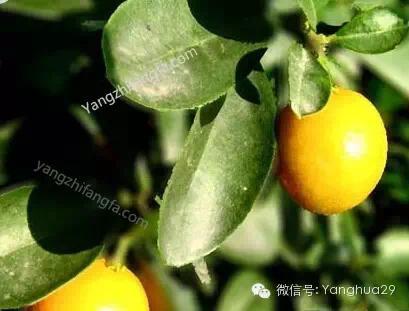
How to Grow Kumquat Trees
Proper Light
When caring for kumquat, place it in a spot with ample sunlight. If light is insufficient and the environment is shady, it often causes excessive vegetative growth of branches and leaves and fewer flowers and fruits. Since kumquat prefers a cool climate in summer, or when summer sunlight is intense, it is best to place it in a slightly shaded spot at this time.
Clever Pruning
Pruning is an important technical measure to make kumquat bloom profusely and bear abundant fruit. To make the tree shape beautiful and bear more fruit, before the sap begins to flow each year and before spring buds have sprouted, carry out one heavy pruning, cutting off dead branches, diseased and pest-infested branches, overly dense branches and excessive vegetative branches, keeping 3-4 vigorous, evenly distributed branches from the previous year, leaving only 2-3 buds at the base of each branch and cutting off the rest.
Apply Sufficient Fertilizer
Kumquat prefers fertilizer. For potting, a culture soil mixed with 4 parts leaf mold, 5 parts sandy soil and 1 part cake fertilizer should be used. When repotting, apply hoof pieces or decomposed cake fertilizer at the bottom of the pot as base fertilizer. From the start of new bud sprouting until before flowering, apply diluted decomposed sauce residue water once every 7-10 days, alternating with a few rounds of alum fertilizer water. After summer arrives, apply more phosphorus fertilizer to benefit bud formation and fruiting.
Water Well
Kumquat prefers moisture but dislikes waterlogging; overly wet potting soil easily causes root rot. Therefore, it is best to keep the potting soil moderately moist during the growing period. Spring is dry and windy. It is necessary to spray water on the leaves once a day to increase air humidity. In summer, spray water 2-3 times a day and also spray the ground. However, avoid spraying water during the flowering period to prevent flower rot and affect fruiting. During the rainy season, promptly pour out accumulated water in the pot to avoid root rot. When placed outdoors in summer, it is best to prop up the flower pot with bricks to facilitate drainage.
Control Pests
Based on years of practice, no diseases have been found on kumquat, only damage from the yellow swallowtail butterfly (also known as the citrus swallowtail). The adult has a body length of 30 mm and a wingspan of 100 mm, is yellow-green, and has broad black longitudinal stripes on the back. The forewings have [illegible] and the hindwings have 6. The egg is spherical, 1 mm in diameter, and yellowish-white. The larvae feed on new leaves and tender buds, hiding by day and feeding at night, easily causing kumquat leaves to become notched or completely eaten. Treatment for this pest: during the larval stage, spray 50% fenitrothion 1000x solution or 80% dichlorvos 1000x solution, and handpick and kill the pupae on the branches and trunk.
-------------------------------------------
Flower-Growing Knowledge
WeChat: yanghua29
Flower-growing knowledge exchange, providing the most comprehensive flower knowledge and professional flower-growing tips, comprehensively solving flower-growing problems!