A detailed guide to growing gladiolus, easily enjoy a fresh life
Do you like a home full of greenery? Do you like a home full of poetic charm? Do you like a cozy and warm home? If you do, then take action. We can start with the selection of houseplants. After some home design, adding a touch of greenery is undoubtedly the finishing touch, adding beauty to what is already beautiful, so why not do it?
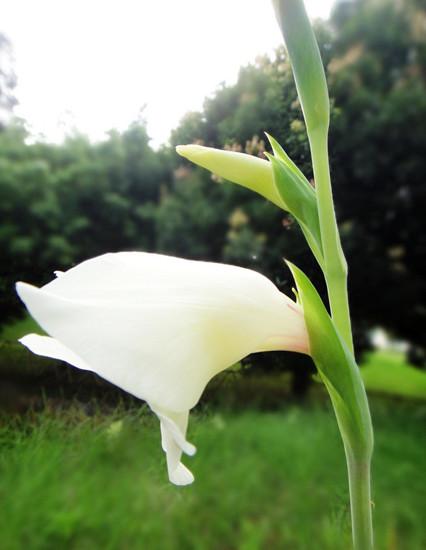
Gladiolus, also called sword lily, has petals like thin silk, a beautiful plant form, rich colors, and diverse varieties, and is also a choice for many household pots. It is spring and summer now; its passionate and bold spirit, do you feel it? Do you like it? At the same time, May wedding season and June graduation season are both seasons of seas of flowers. With the reputation of "king of cut flowers," it is not only a choice for household pots, but also plays an important role as a fresh cut flower, and can also be used in flower baskets, bouquets, vase arrangements, and more. So, with its many roles, do you know how to grow it? Next, the editor will introduce the gladiolus growing method for everyone:
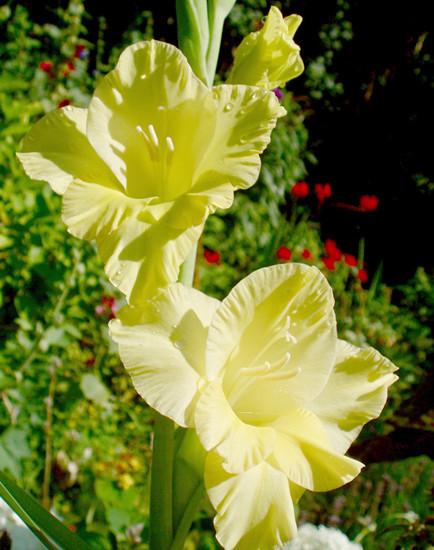
Gladiolus growing methods:
1. Light: Gladiolus is a long-day plant and is not tolerant of shade. 16 hours of sunlight per day is most suitable. Cut flower varieties in particular are greatly affected by light; sufficient sunlight makes the plants strong and the flower colors bright and long-lasting;
2. Temperature: The suitable growing temperature for gladiolus is 20-25°C, and the corms sprout at 4-5°C;
3. Soil: Gladiolus likes a cool environment, fears hot and avoids freezing environments, and prefers loose, breathable, fertile soil with good drainage;
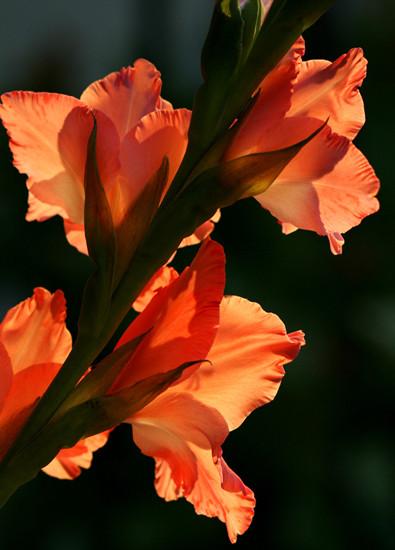
4. Water: Do not water too much in the early cultivation stage. Sufficient water is needed during the growing period. After the flower stems are drawn out, water must be sprayed timely and appropriately every day to increase air humidity;
5. Fertilizer: Sufficient base fertilizer is needed in the early planting stage, preferably types rich in phosphorus and potassium fertilizer; before and after flowering, mainly use decomposed dilute organic fertilizer; after flowering, it is better to apply more potassium fertilizer to promote the growth of small corms;
6. Pruning: Prune in time, cutting off spent flowers, yellow leaves, and remaining leaves, to promote normal growth;
----------BIU~BIU~BIU~I am the divider-------------- If you are planning to renovate, please pick up your phone and follow our WeChat! Editor's personal ID: lyg9527888, WeChat public account: lygyhjjw, sharing renovation guides and case designs every day, [Follow the editor to help check your floor plan! Free on-site measuring and design plans in 69 cities nationwide]