How well crayfish are farmed depends largely on aquatic plants
Crayfish farming is extremely popular, and everyone wants to get into it. As an editor at "Lobster Says," I am in Qianjiang, the "pilgrimage" site for crayfish farming, where you cannot do without aquatic plants if you want to raise crayfish well. Today let's discuss aquatic plants.
The main submerged plants planted over large areas in crayfish ponds are currently the three most common types: Hydrilla verticillata (also called lantern grass), Elodea (also called "can't eat it all"), and Potamogeton crispus (also called wheat-yellow grass).
Hydrilla verticillata (lantern grass)
Hydrilla verticillata starts from turions, with planting time from December to February of the following year, and March to June is the time for planting fresh plants. Its main characteristics are tolerance to high temperatures and no pollution of the pond water quality.
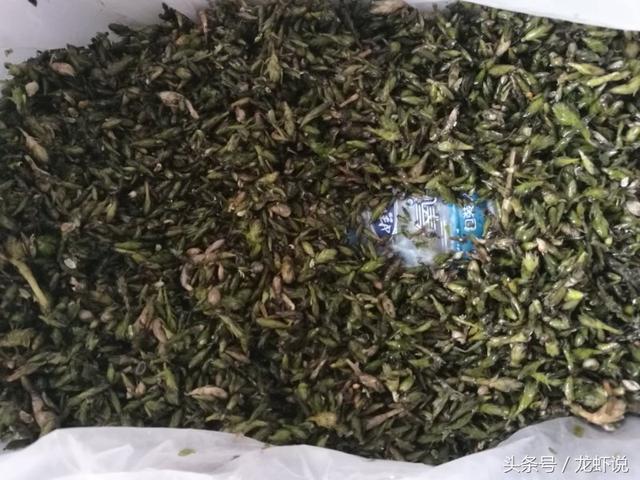
Lantern grass turions
To cultivate Hydrilla verticillata, the best way is to use an enclosure net, and when the grass becomes dominant, remove the enclosure net.
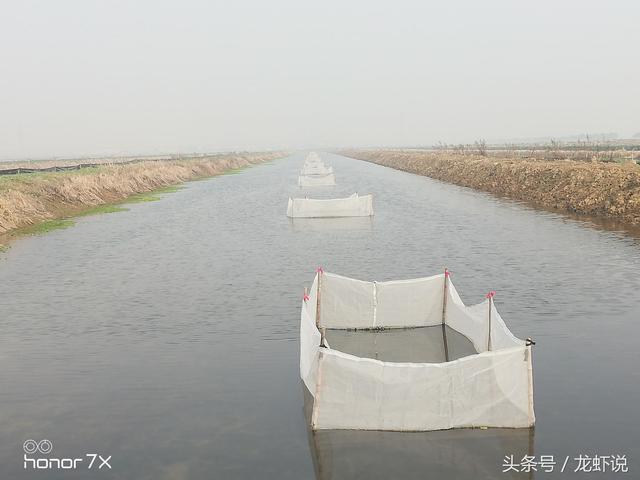
Planting grass with an enclosure net
Elodea (can't eat it all)
Elodea is fresh, tender and crisp, with extremely strong adaptability, rooting at every node, and can grow abundantly when the temperature is above 5°C. It is a high-quality, fast-growing, high-yield submerged plant. Its disadvantage is that it is not tolerant of high temperatures, easily dies in high temperatures, and easily rots.
Elodea is not the best aquatic plant for crayfish farming. Farmers in Hubei, especially intensive farmers, are gradually phasing out this aquatic plant.
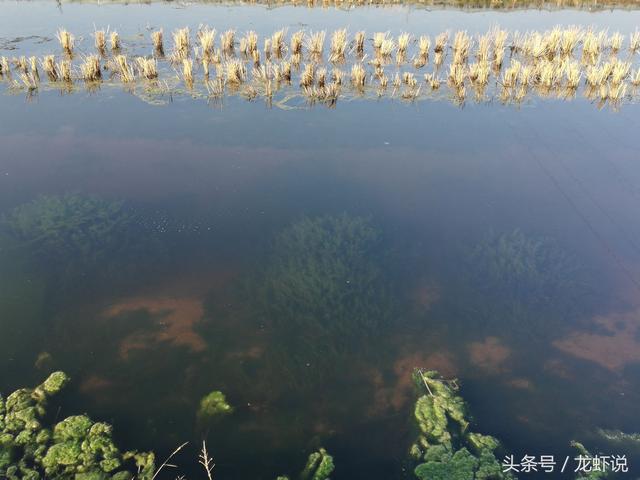
Potamogeton crispus (wheat-yellow grass)
The preferred submerged plant for crayfish farming and the first choice for rice-crayfish systems, Potamogeton crispus is generally sown in mid-October, when the rice is also harvested. After preparing the land, sow Potamogeton crispus. It germinates in autumn, grows in winter, and when our wheat matures, the aquatic plant then ends its mission. At this time, the rice-crayfish period is basically over, and it does not compete with the rice field for space. If the crayfish cannot eat it all, Potamogeton crispus can continue to grow the next year.
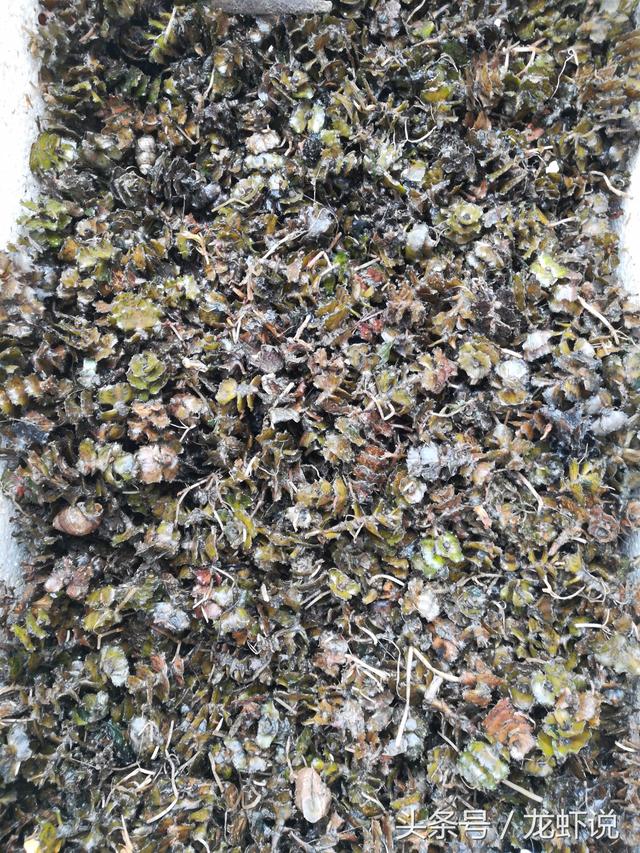
Floating plants
Generally mainly alligator weed and water hyacinth, and the coverage rate should not be too high.
Emergent plants
Vallisneria is the most common. Vallisneria is not easy to plant for crayfish farming.
Vallisneria sown in early September has already grown new roots after transplanting.
To farm crayfish, you must grow grass. Especially in intensive crayfish ponds, aquatic plants are even more needed. The quality of the aquatic plants determines to a certain extent the commercial quality of the crayfish, and planting several kinds of aquatic plants can achieve good results. I hope that you who farm crayfish will succeed in crayfish farming and realize your original intention.