How to diagnose infectious synovitis in chickens? A must-read for farmers
How to prevent infectious synovitis in chickens?
2017-12-14 Poultry Doctor Little Prince

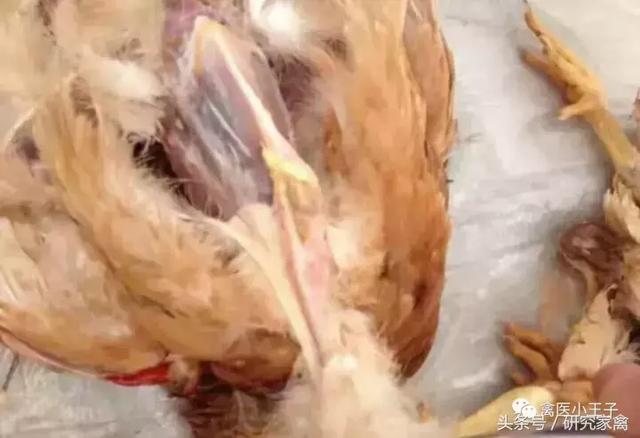
Infectious synovitis in chickens, also known as synovial mycoplasmosis, is an infectious disease caused by Mycoplasma synoviae infection in chickens and turkeys, characterized by exudative articular synovitis, tenosynovitis and bursitis.
It is actually a type of chronic respiratory disease, but the respiratory symptoms are not obvious; occasionally sick chickens show difficulty breathing, and air sac infection is found after slaughter. The virus mainly attacks the synovium of the tibiotarsal joint and foot pad of chickens, and in severe cases can spread to the synovium of other joints, causing exudative synovitis, synovial bursitis and tenosynovitis.
In recent years, the harm of infectious synovitis in chickens has gradually worsened. There is no vaccine for prevention and control of this disease. The most important consequence of infectious synovitis infection is a high culling rate in the flock, and the flock has no peak egg production period. Early treatment is effective, but after 120 days of age there is no treatment value.
I. Etiology of infectious synovitis
Mycoplasma synoviae is similar to Mycoplasma gallisepticum in many respects. Mycoplasma synoviae is slightly smaller than Mycoplasma gallisepticum, with a diameter of about 0.2 micrometers; the colony is characterized by being round and raised, slightly resembling a honeycomb pattern, with a raised center or no center. Its resistance is also similar to that of Mycoplasma gallisepticum.
II. Epidemiological characteristics
Under natural conditions, it is mainly seen in chickens and turkeys, and white-feathered broiler breeders. The acute form is mostly seen in chickens aged 4-16 weeks, while the chronic form can occur at any age, sometimes lasting for life. The incidence rate is usually 5%-75%, and the mortality rate is 1%-10%. It can be transmitted both vertically and horizontally. Infection with Newcastle disease and infectious bronchitis viruses (including vaccine strains) is a predisposing factor for this disease.
III. Clinical symptoms
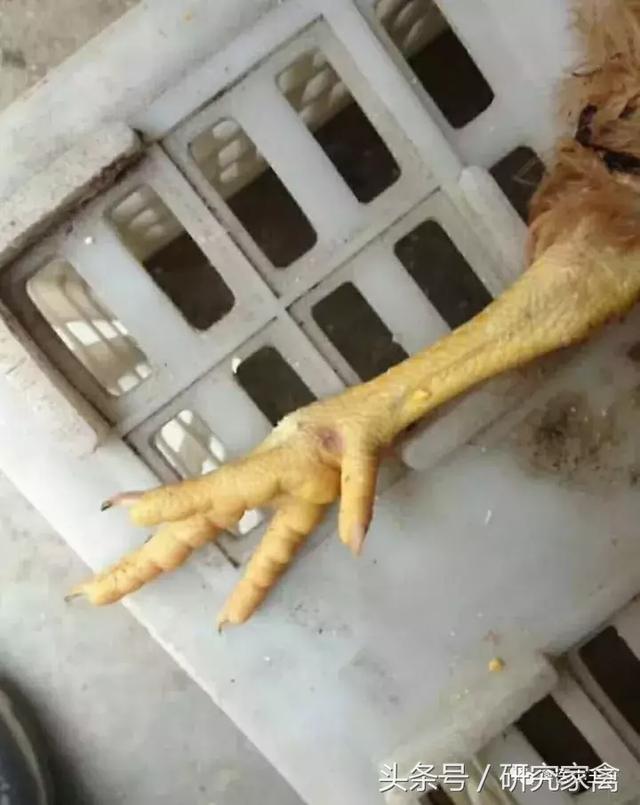
Sick chickens are listless, with ruffled feathers, emaciation, a tendency to lie down, and white watery droppings. The hock joints of sick chickens are swollen, and some have swelling at the bottom of the toes, which feels fluctuating to the touch and is hotter than normal areas. They show lameness when walking, and in severe cases cannot stand or walk, making eating and drinking difficult.

IV. Necropsy changes
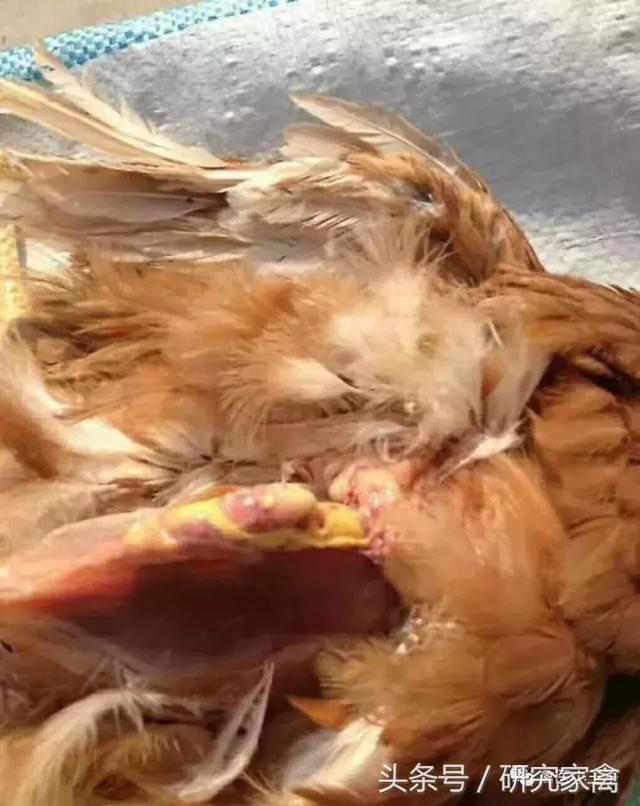
The swollen joints appear red and swollen externally with thickened skin, and after incision a red fluid can be seen flowing out. The hock joint and surrounding tissues contain pale yellow or grayish-white creamy exudate, and in cases with a longer course, yellow caseous material. In the more severely affected dead chickens, all joints of the wings and legs show the above changes. The liver and spleen of dead chickens are enlarged, the kidneys are slightly swollen, and urate deposits are present in the renal tubules. Other internal organs show no obvious changes.

I. Prevention and control measures
1. Pay attention to feeding management during the brooding period, with the focus on temperature, density and ventilation, reasonably coordinating the relationship among the three, reducing temperature difference stress, and achieving scientific breeding.
2. For freeze-dried vaccines, use imported vaccines from abroad as much as possible to immunize the flock, and for fowl pox vaccine, use imported vaccines as much as possible.
3. During the brooding and growing periods, use Tiamulin or Baytril for prevention on a regular basis.
4. Strengthen environmental disinfection, reduce environmental contamination, and prevent horizontal transmission.
5. At present, there is no vaccine to prevent synovial mycoplasmosis (synovitis).