Frog Boss Teaches You the Key Points of Frog Farming Techniques
I. A Successful Frog Farming Case
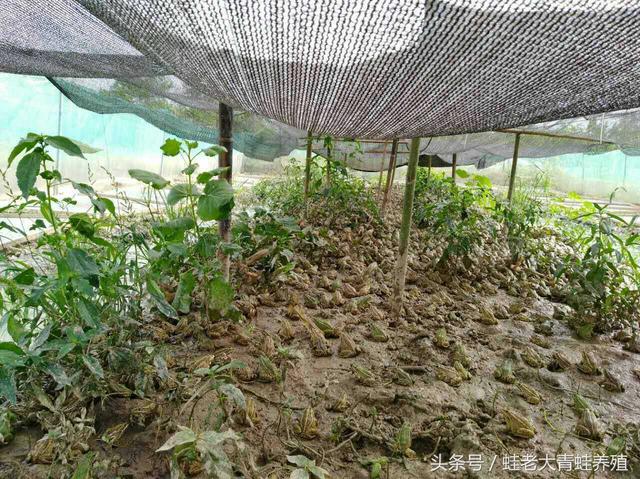
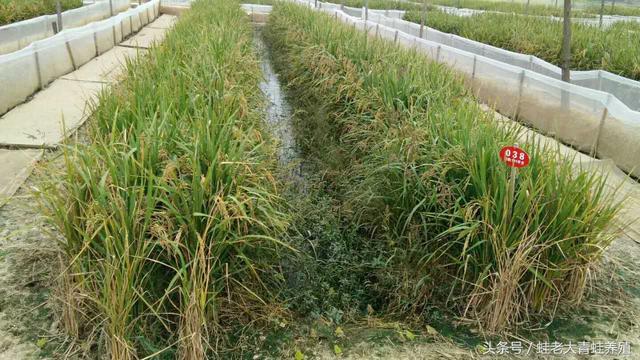
At the end of 2014, Wang Anwei and 2 other people jointly invested 150,000 yuan to establish a frog farm, leased 7 mu of paddy field, dug ditches, woven enclosures, and introduced 3 varieties: black-spotted frog, golden frog, and tiger frog. After more than 3 months of rearing, the total number of adult frogs raised reached 550,000, with a yield of more than 1,300 kg of frogs per mu, an income of about 50,000 yuan per mu, and a total output value of 350,000 yuan. At the same time, 150 kg of loach were co-cultured in the paddy field ditches per mu, generating an income of 3,000 yuan; more than 700 kg of pollution-free rice was produced per mu, generating an income of more than 2,000 yuan.
II. Analysis of Model Benefits
Using 1 mu of paddy field, slightly modified, to carry out frog farming, an estimate of the farming benefits of frogs is made.
1. Input
Total: 13,800 yuan. Among them: (1) land rent 800 yuan; (2) frog farm construction cost 2,000 yuan (including material cost 1,000 yuan, labor 1,000 yuan); (3) frog fry cost 5,000 yuan; (4) feed cost 6,000 yuan.
2. Output
Generally, the yield of adult frogs per mu is 1,000-1,500 kg. Calculated at the minimum of 1,000 kg, and with the winter market wholesale price of finished frogs at more than 20 yuan per jin, an income of 40,000 yuan can be obtained.
3. Profit
40,000 yuan - 13,800 yuan = 26,200 yuan
III. Farming Techniques
1. Key Points of Juvenile Frog Rearing Techniques
The juvenile frog pond maintains a water depth of 0.3-0.5 m, and 3-5 feed platforms and resting platforms are set on the water surface. The stocking density of newly metamorphosed tadpoles is 200-300 individuals/㎡, and the stocking density of juvenile frogs below 50 g is 100-200 individuals/㎡. After being raised for a period of time, juvenile frogs in the same pond should be graded according to the size of the juvenile frogs' mouths. Newly metamorphosed juvenile frogs are fed juvenile frog feed with a particle size of 2.0 mm; when individuals are 20-30 g, they are fed juvenile frog feed with a particle size of 3.0 mm; when individuals are 30-50 g, they are fed adult frog feed with a particle size of 3.5 mm. The daily feeding amount is about 5% of the total body weight of the frogs, fed once in the morning and once in the afternoon. Water should be changed regularly to keep the water quality fresh.
2. Key Points of Adult Frog Farming Techniques
After juvenile frogs are transferred into the adult frog pond, the frogs have a large food intake and their growth rate accelerates. This is an important period for forming commercial output, and supplying sufficient bait is most critical, mainly through artificial feeding of feed, and timely separation and rearing to adjust the stocking density. After adult frogs are raised for 1 month, when the frog body weight reaches 100 g, the stocking density is 30 individuals per square meter, and after 2 months it is changed to 10-15 individuals per square meter. After a short period of further rearing, they can become commercial frogs and be marketed.
IV. Key Points of Disease Prevention and Control
Disease prevention and control of frogs should focus on prevention. During the farming process, as long as attention is paid to environmental sanitation, ensuring fresh feed, balanced nutrition, and scientific feeding, the occurrence of frog diseases can be reduced. Common frog diseases include explosive septicemia, gas bubble disease, trichodiniasis, red leg disease, gastroenteritis, etc.