Dairy Cow Farming: These Measures Keep Dairy Cows Safe Through the Winter!
Recently I have been talking with farmers, and many of them are preparing their farms to keep their dairy cows safe through the winter.
Today, let's talk about: some measures for keeping dairy cows safe through the winter.
1. Feed preparation
An adequate feed supply is the material foundation for raising dairy cows well and getting them through the winter.
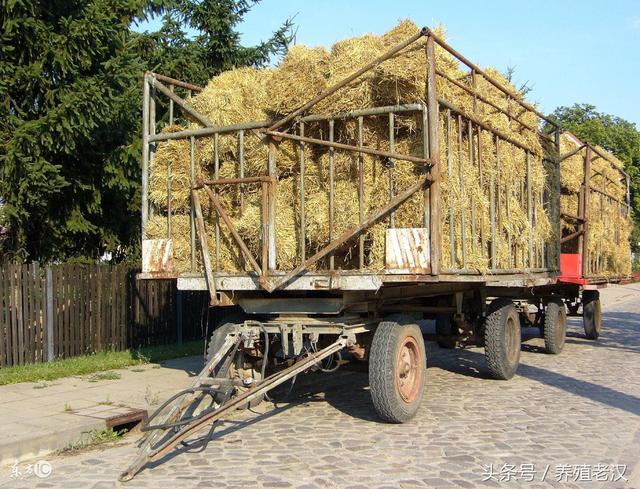
The feed should consist mainly of green hay and silage. In areas where conditions allow, silage and succulent feed should be fed in advance. Feeding high-quality forage grass can significantly increase milk production, but when dairy cows are moved from grazing to barn feeding, fresh grass is basically no longer available, so silage should be fed in advance at this time.
2. Reasonably adjust the daily ration
In addition to feeding silage, concentrate feed or high-fat substances should also be fed to increase the energy of the daily ration, such as beans or animal fat, with a supplemental amount of 1%-1.5% being appropriate.
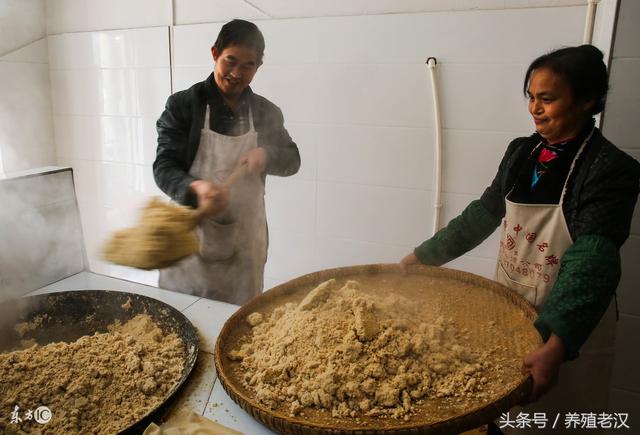
For example, for dairy cows producing more than 30kg of milk per day, the daily silage feeding amount should be controlled at around 20kg, with 3kg of concentrate. At the same time, the palatability of the feed should be increased to boost the cows' appetite. For example, add beans to the silage, or feed nutrient-rich feed such as corn flour before drinking water, and also pay attention to supplementing salt.
3. Handle the transition to barn feeding well
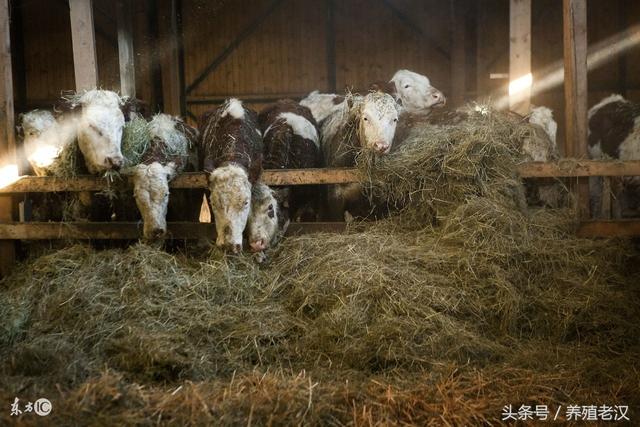
When winter arrives, because the weather is cold and the outdoors is covered in withered grass, it is no longer suitable for grazing, so feeding must be switched to barn feeding. Before barn feeding, the transition from grazing to barn feeding must be handled well to prevent digestive tract diseases caused by being unable to adapt to the change.
Generally, the transition period is about ten days, during which grazing time is gradually shortened, and the frequency and amount of supplemental feed must be increased in the morning and evening, so that the dairy cows slowly adapt to barn life. After 10d, they enter full-day barn feeding, and nutrition is gradually increased to prevent a sudden drop in nutrition from affecting milk production. In the daily ration during the barn feeding period, it is best to include silage and root/tuber succulent feed, while appropriately increasing concentrate, so as to achieve the goal of fully bringing out the dairy cows' lactation capacity.
4. Check the barns and sheds early
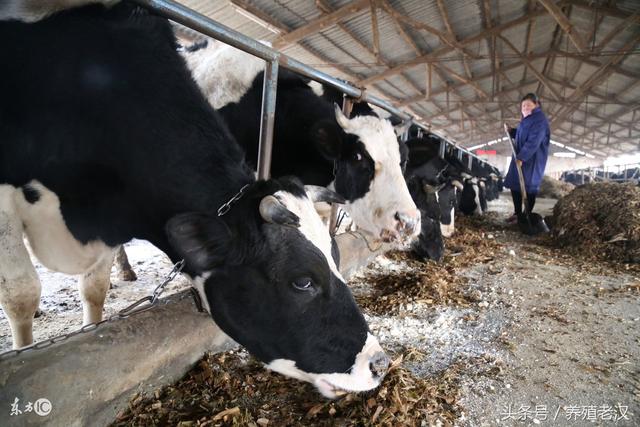
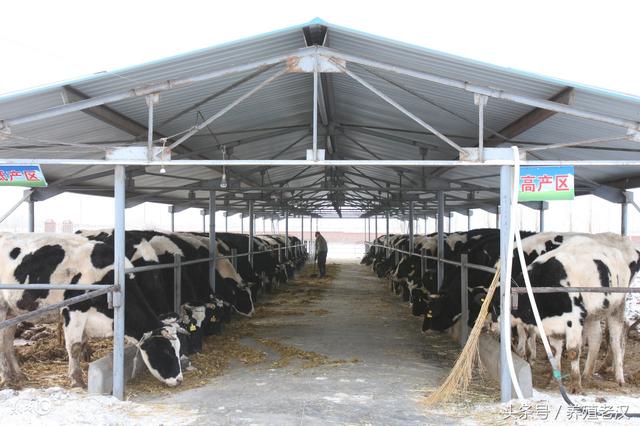
Before winter arrives, safety inspections of the barns and sheds must be carried out in advance, with detailed checks of the cattle barn, calving room, milking parlor, and farm perimeter walls, and any problems found must be corrected promptly. Clean the pens in a timely manner, and spray at least once a week with"Yi'an 100"to keep the pens relatively clean and dry, and avoid inducing mastitis and hoof disease due to dampness and manure polluting the environment.
5. Personnel disinfection
Dairy cow workers should pay attention to disinfecting themselves. When entering the production area, they must change their work clothes in a timely manner and undergo ultraviolet disinfection at the same time. Work shoes should be regularly disinfected with a certain concentration of benzalkonium bromide, organic iodine mixture, or cresol soap solution.
6. Deworm in a timely manner
Due to changes in external factors, the disease resistance of dairy cows declines and their constitution weakens, so before winter arrives, the parasites inside the cows' bodies should be expelled in a timely manner. After the parasites are eliminated, it helps the dairy cows maintain body condition and get through the winter smoothly. Note that manure containing parasites should be piled up and fermented to thoroughly kill the parasites, prevent a second invasion, and also help purify the environment.

For more farming-related knowledge, feel free to leave a comment.