How to grow a banyan tree? Detailed guide to cultivation methods and precautions
The banyan tree is a tree of the genus Ficus in the mulberry family, native to tropical Asia. Because of its unusual tree form and extremely high ornamental value, it has been favored by many modern landscape botanists. It can be planted along streets as greenery, or pruned and grown as a potted plant for people to enjoy at home. Moreover, most banyan trees today are grown at home as bonsai. Since many people are interested in this very beautiful banyan bonsai and want to learn more about banyan cultivation methods and precautions, please follow along with the editor below.
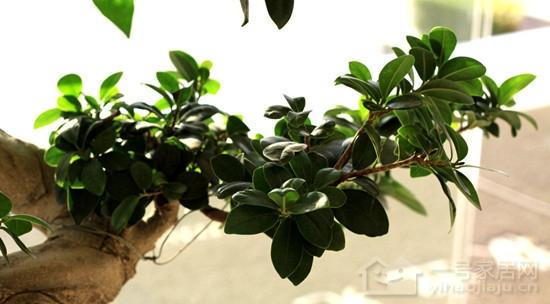
As the potential value of the banyan tree is gradually discovered by people, more and more people now like to study the cultivation methods and precautions for banyan trees. In fact, when many people see a banyan tree, they think this kind of bonsai is very beautiful, so they cannot help but take it home. But after some time, they find that the banyan leaves are slowly withering, or various diseases appear. So growing a banyan tree well is not that easy. If you do not understand the banyan tree's living habits and other issues, do not blindly buy one just because you like it for a moment.
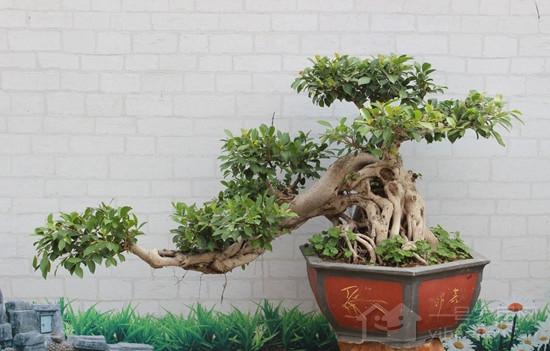
The banyan tree mainly grows in the tropical and subtropical regions of our country, and its varieties are exceptionally numerous. It can be used for food, medicine, ornament, or as greenery. When cultivating a banyan tree, pay attention to placing the bonsai in a well-ventilated place, because although the banyan tree has good ornamental value, it is also relatively susceptible to attacks by some pests, such as mites or aphids, so taking preventive measures is essential. Also, remember to prune it often. Those of us who grow bonsai know that if a bonsai is not pruned for a period of time, its branches and leaves easily grow wildly, and it no longer looks as appealing, so it must be pruned regularly.
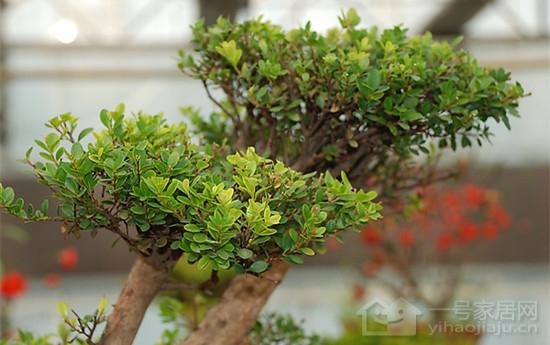
In addition, we should generally understand the precautions for banyan cultivation. The banyan tree prefers to grow in places with plenty of sunlight, so this ornamental tree has extremely high sunlight requirements. Furthermore, the plant should be fertilized frequently. If the banyan tree is not fertilized for a period of time, its leaves will turn yellow, and some may even wither due to malnutrition. Although the banyan tree mainly grows in the tropical and subtropical regions of our country with abundant rainfall, this does not mean we should water it multiple times every day. To successfully keep a banyan tree alive, just keep the soil in the bonsai appropriately moist. Never assume you know best and water it frequently.
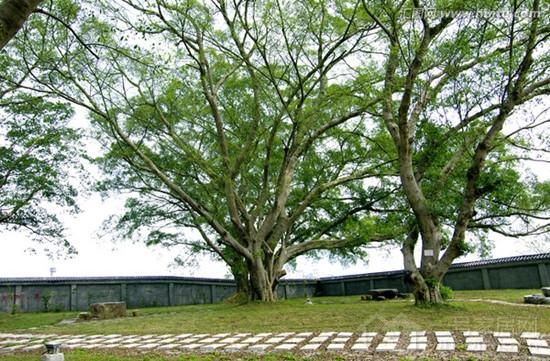
Have you remembered the banyan cultivation methods and the precautions to note?
----------BIU~BIU~BIU~I am the dividing line--------------If you are planning to renovate, please pick up your phone and follow our WeChat! Editor's personal account: lyg9527888 shares renovation guides and case designs every day. Follow the WeChat public account: lygyhjjw [Follow the editor for help checking your floor plan! Free on-site measurement and design proposals in 69 cities nationwide]