How to grow winter jasmine bonsai? Growing and care methods
Growing and care methods for winter jasmine bonsai - winter jasmine is an extremely adaptable plant. If grown the right way, it can not only cover its branches with flowers in spring, but also stay evergreen all year round, filling the home with the spirit of spring throughout the four seasons.
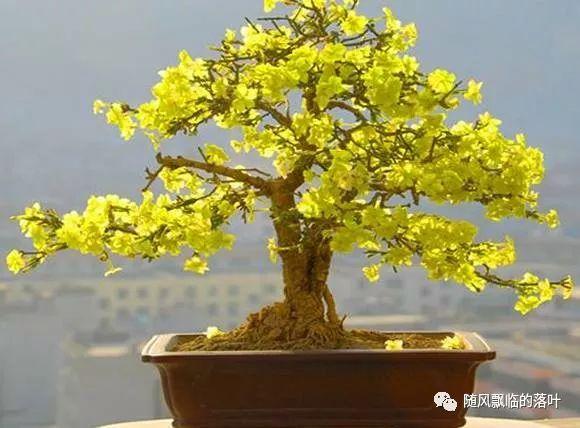
1. Before planting, understand the habits of winter jasmine and make the corresponding preparations. Winter jasmine likes light and tolerates cold, drought and alkaline soil, but fears waterlogging, so in daily life everyone needs to pay extra attention to this; in addition, its requirements for soil are not very strict, but here it is still recommended to use loose, fertile sandy soil. The cultivation of winter jasmine is generally carried out in mid-September.
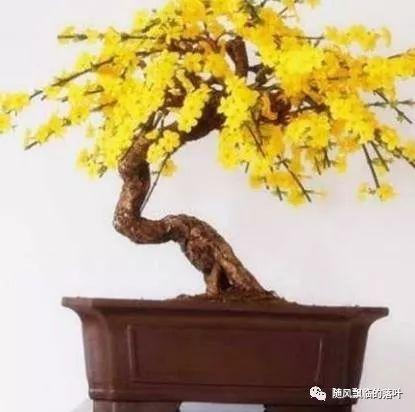
2. Choose a suitable flower pot to fully show off the beauty of winter jasmine. The flowers of winter jasmine are yellow. In order to coordinate the flower color with the pot color and create a beautiful scene, it is recommended to choose light blue, purplish red or black flower pots.
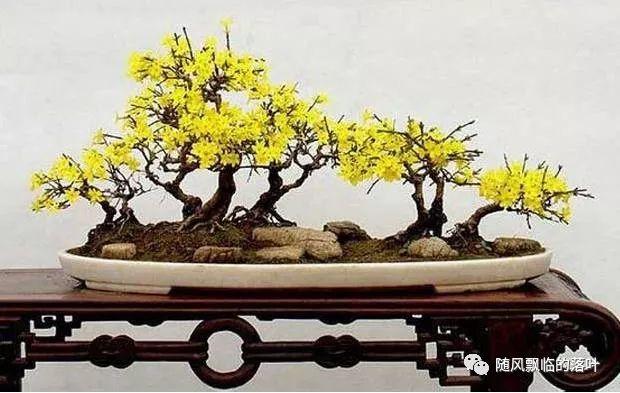
3. After the planting of winter jasmine is completed, you need to water it thoroughly once first, then place it in a shady place for about 10 days; then gradually move it to a place with a little sunlight and care for it for about 7 days, after which you can place it in a sunny place for normal care. Place it in a shaded place for about 10 days, then move it to a spot with half shade and half sun; care for it for one week, then place it in a sunny, well-ventilated and relatively moist place for normal care work.
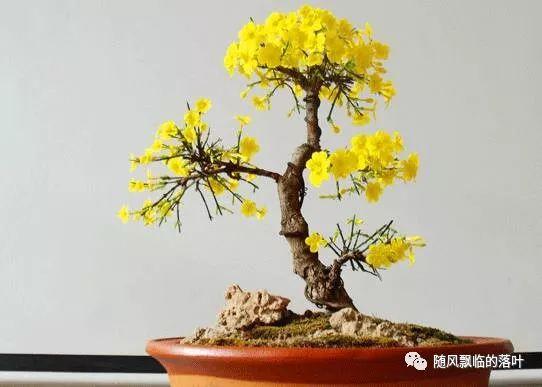
4. In order to make the bonsai more artistic, you need to do a good job of pruning while cultivating the bonsai. When pruning, you can cut off the parts of the branches that bend and droop. If newly sprouted side branches bend and droop again, cut them off too, so that all the branches can be kept straight.
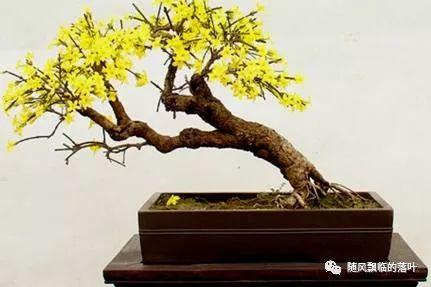
In addition, if you want to cultivate the winter jasmine bonsai into a raised-root style bonsai, it is recommended to raise its roots appropriately when planting the winter jasmine, but note that you should not raise the roots too high, so as not to affect later growth.
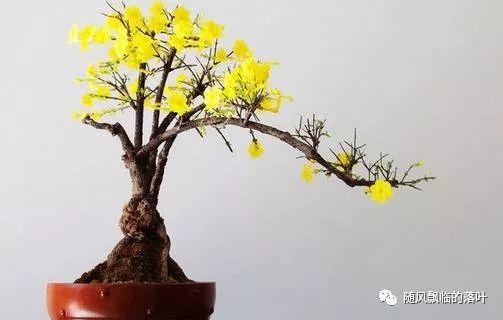
5. Water and fertilizer management. When winter jasmine enters the growing season, you need to follow the principle of watering thoroughly, and there must be no water accumulation in the pot; in addition, fertilizer needs to be applied once every 20-30 days or so. After winter arrives, in order to promote the formation of flower buds, you need to do a good job of withholding water and appropriately increase the amount of phosphorus and potassium fertilizer.
6. After winter arrives, so that winter jasmine can overwinter safely. If you are in the south, you can place the winter jasmine bonsai in a wind-sheltered, sunny place to help it overwinter; if you are in the north, then you need to move the bonsai indoors to overwinter.
7. If you want winter jasmine to bloom early, then you should choose a relatively warm and sunny place for it. For example, you can place it in an indoor sunny spot at around 13 degrees C and regularly spray water on its branches and leaves, and then winter jasmine will soon produce beautiful flowers. However, this is generally not recommended, since it goes against the growth rhythm of winter jasmine.
The above is an explanation of the growing and care methods for winter jasmine bonsai, and I hope it can be helpful to everyone. If you like winter jasmine, you can grow a pot of it at home.