What are the key points of the cultivation methods for the jade bead sedum (Sedum rubrotinctum)?
As a crassulaceae succulent plant, Sedum rubrotinctum is deeply sought after by succulent enthusiasts. So, do you know how to grow a Sedum rubrotinctum well? If you still do not know, then follow the editor and learn about it together!
I.
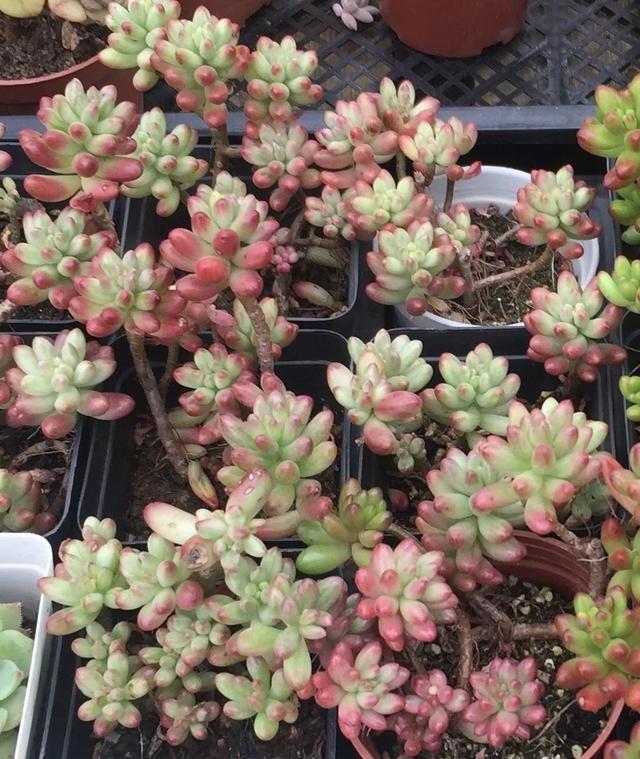
1. Sedum rubrotinctum is a perennial succulent herbaceous plant. The plant height is about 15 cm, with many branches. The succulent leaves are swollen and alternate, shaped from cylindrical to ovate, about two cm long. The outside of the leaf is green, the surface is glossy and without white powder, and under conditions of sufficient sunlight it will turn reddish-brown. The small flowers are pale yellow-red.[
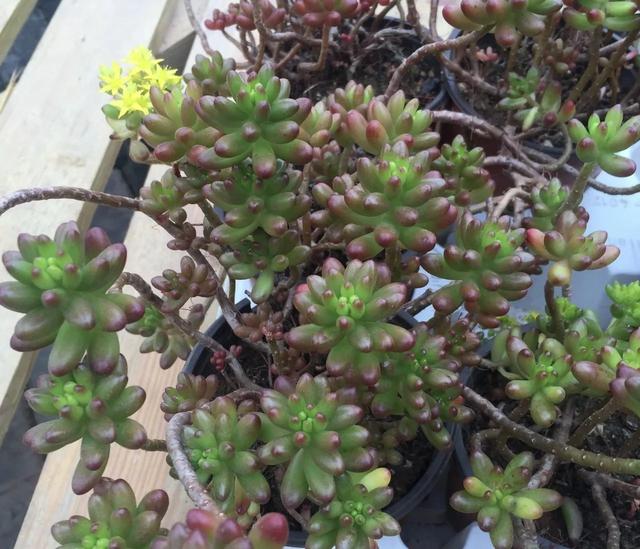
2. It is cold-resistant and not afraid of strong sunlight. The more its leaves are exposed to the sun, the redder they become, so shading is not necessary. If it grows in a semi-shaded environment, the plant's leaves will be emerald green and glossy. Sometimes, because the intensity and duration of sunlight received by a pot of Sedum rubrotinctum differ, the leaf color will be partly red and partly green, so it looks very attractive. Because new leaves receive light for a shorter time, their tips are often red while the other parts remain green.
II.
1. In autumn and winter, temperatures in various regions will decrease, and light will also generally increase, and the succulent leaves will gradually turn red. Therefore, artificial cooling during cultivation can improve ornamental value. In winter, room temperature should not be lower than 5°C.
2. Sedum rubrotinctum likes light, and it should receive sufficient light throughout the growing period. But sun exposure in summer can still cause leaf sunscald. At this time, we can appropriately shade it or give it half-day sun, and at noon we should avoid direct sunlight.
III.
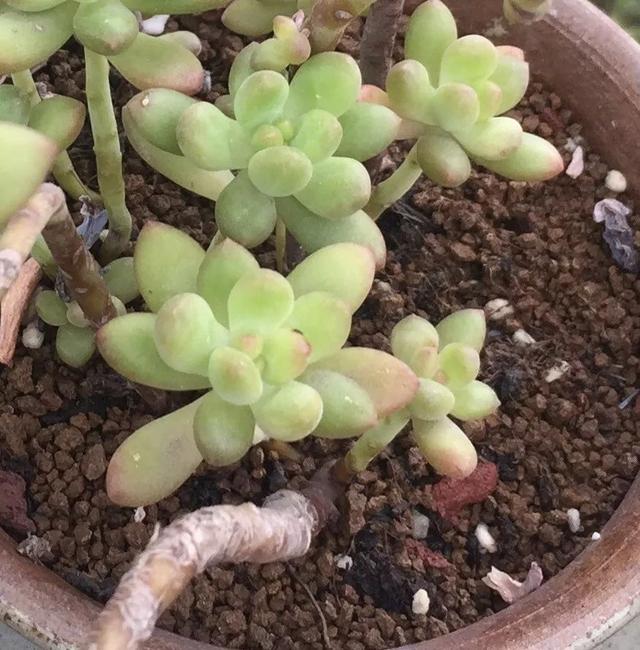
1. Sedum rubrotinctum is a succulent with relatively few diseases, but leaf spot and stem rot occasionally occur. Leaf spot is generally mainly caused by poor ventilation and relatively high air humidity.
2. We can also use insecticides for prevention and control. Then improving ventilation is also the key to preventing leaf spot.
3. At this time, healthy stem segments from the upper part of the succulent plant should be cut for propagation. At the same time, avoid watering too much and too frequently in winter, and keep the potting soil slightly dry.
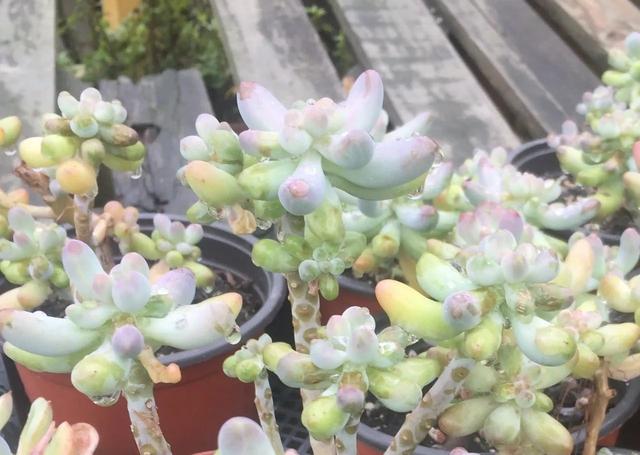
Lovely Sedum rubrotinctum, if you are tempted, then take action quickly!