The Feng Shui Meaning and Care Tips for the Money Tree Explained in Detail
Introduction
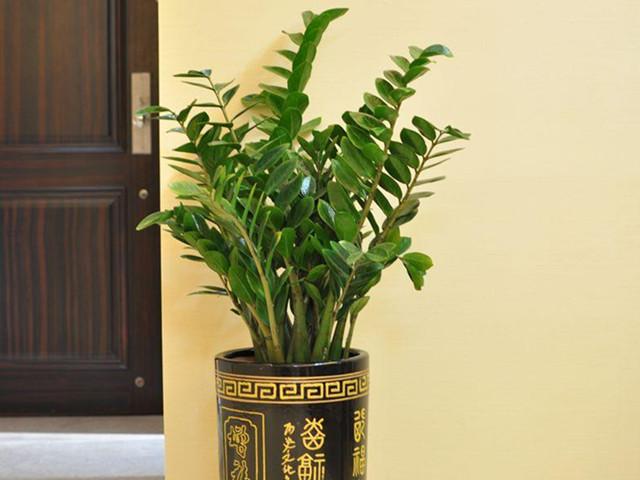
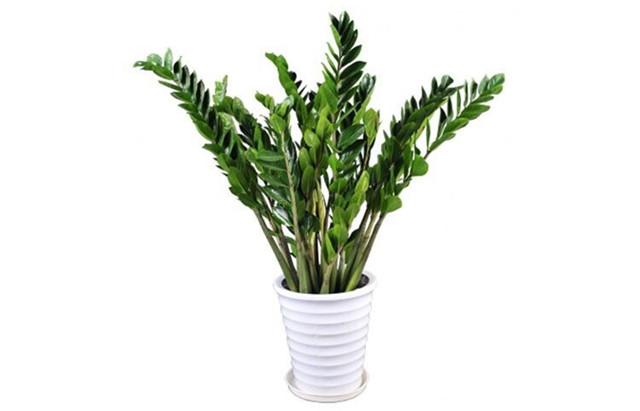
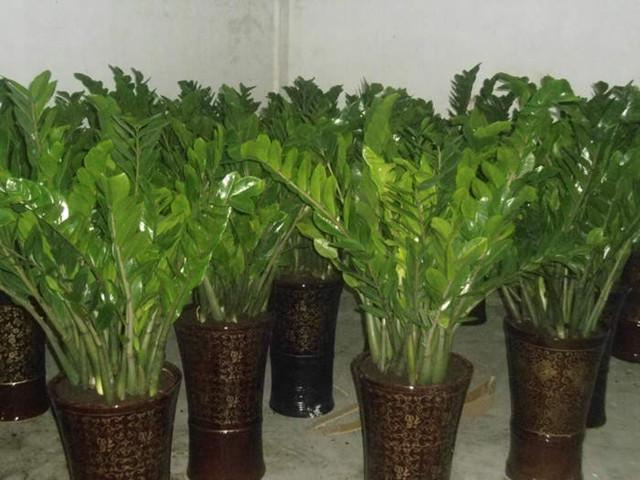
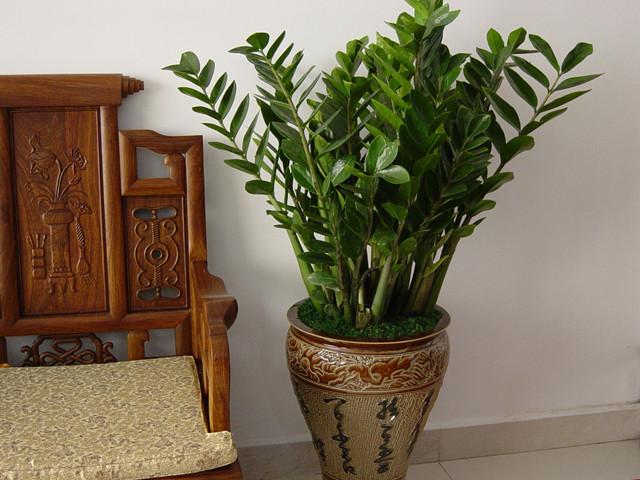
The money tree, also known as Zamioculcas zamiifolia and the golden pine. It has no main stem above ground; adventitious buds sprout from the tuber to form large compound leaves. The leaflets are fleshy, with short petiolules, and are firm and deep green; the underground part is a thick, fleshy tuber. Pinnate compound leaves emerge from the top of the tuber, the leaf rachis is strong, and the leaflets are opposite or nearly opposite along the rachis. The base of the petiole is swollen and woody; each compound leaf has 6 to 10 pairs of leaflets and lives for more than 5 years, being constantly replaced by new leaves.
I. The Feng Shui Meaning of the Money Tree
The money tree has an auspicious meaning, signifying the bringing in of wealth and treasure, and glory and prosperity. The money tree gets its name because its small leaflets resemble copper coins, and so it is regarded as a plant that brings in wealth and treasure and rolls in money. The leaves of the money tree are emerald green and glossy, making it very suitable for placing in the living room or office, giving people a feeling of vitality, and it is also an ideal gift for friends, as it can bring good luck to them.
II. Placement of the Money Tree
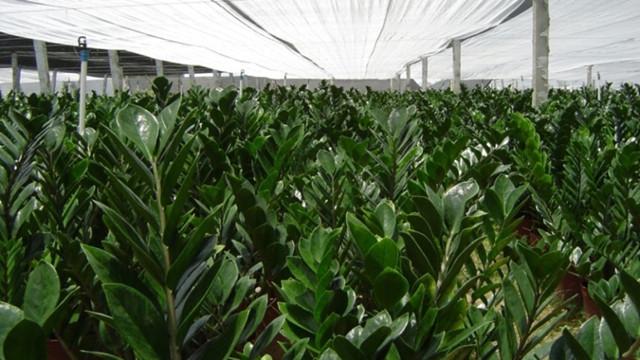
The money tree is a very popular large indoor bonsai plant nowadays. Its saplings grow relatively slowly, so it can be cultivated for viewing as a small or medium pot, or as a large combined planter, offering rather diverse choices. It suits many occasions and can be placed in spacious offices, new homes, living rooms, studies, balconies and other places. It not only boosts energy and brings wealth, with an auspicious meaning, but also makes the home environment appear elegant and simple in style, with a southern tropical flavor. Its leaves, like strings of copper coins threaded together, look from a distance like a large bird spreading its wings, very grand and beautiful. Every day at work or in life, one can see this plant full of vigorous vitality, which gives people more motivation and spirit to strive.
III. Key Points for Money Tree Care
1. Suitable Temperature
The optimum growing temperature is 20 to 32°C. Whether potted or planted in the ground, it requires little variation in annual average temperature, and for productive cultivation it is best carried out in a temperature-controlled greenhouse. Every summer, when the temperature reaches above 35°C, the plant grows poorly, and measures such as adding black shade netting and spraying water on the surrounding environment should be used to lower the temperature, creating a suitable environment with a suitable ambient temperature that is also relatively dry.
In winter, it is best to maintain a greenhouse temperature above 10°C. If the room temperature is below 5°C, the plant is prone to cold damage and its survival is then seriously endangered. In late autumn and early winter, when the temperature drops below 8°C, it should be moved promptly to a well-lit indoor spot, and throughout the overwintering period the temperature should be kept between 8°C and 10°C, which is relatively safe and reliable.
2. Sufficient Light
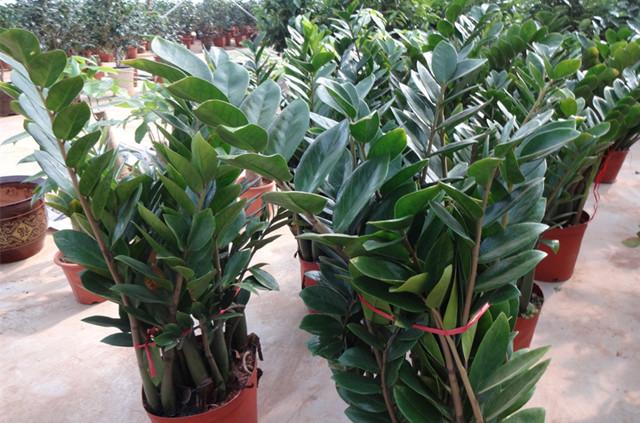
The money tree likes light and also has fairly strong shade tolerance, so it should be given an environment with good sunlight but also a certain degree of shade. It dislikes direct strong light, and in particular should avoid the blazing sun after long rain and the first clearing in late spring and early summer, as well as the 5 to 6 hours of unobstructed strong light baking around midday in summer, otherwise the newly emerged tender leaves are very easily scorched.
In productive cultivation, from late spring to mid-autumn, it should be placed under a shade shed with 50 to 70% shading, but it must not be too dark, otherwise the newly emerged tender leaves will become slender, the leaf color will turn yellow and listless, and the spacing between leaflets will be sparse, thus affecting the compact and graceful form of the plant. For potted plants moved into the greenhouse in winter, supplementary light should be given. Keeping the potting soil on the drier side allows the plant to remain disease-free year after year. In addition, the newly emerged pinnate compound leaves do not show obvious phototropism, and the plant form remains good.
3. Moderate Moisture
To care well for a potted money tree, one should strive to create an environment that is both moist and on the dry side. In productive cultivation, for plants placed in the greenhouse, when the room temperature reaches above 33°C, the plant should be sprayed with water once a day. Because this plant has fairly strong drought tolerance, it is best to keep the potting soil slightly moist and on the dry side, but occasional overwatering or overfertilizing will not cause root rot. In winter, attention should be paid to spraying water on the leaf surface and the surrounding environment so that the relative air humidity reaches above 50%.
After mid-autumn, watering should be reduced, or spraying water should replace watering, to help the newly emerged tender leaves pass the winter safely. In addition, in winter special attention should be paid to the potting soil not being overly wet; being on the dry side is better, otherwise under low-temperature conditions overly wet potting soil more easily leads to root rot of the plant, or even the death of the whole plant.
4. Permeable Soil
Because of the special climatic conditions of the money tree's place of origin, it has developed strong drought resistance, so the basic requirement for the growing medium is good permeability. The basic requirement for the growing medium is good permeability. The growing medium is mostly a mix of peat, coarse sand or washed cinder and a small amount of garden soil, with its pH adjusted to between 6 and 6.5, in a slightly acidic state.
Because its tuber is large, its root system is well developed, and its pinnate compound leaves are relatively long, during the growing season its growth should be observed promptly to decide whether to repot and change the soil. Always keep the growing medium well permeable, so as to help create a root environment with good aeration and drainage. During the plum rain season, check frequently, and when water accumulation is found in the pot, repot and change the soil promptly.
5. Adequate Fertilizer
The money tree relatively likes fertilizer. In addition to adding an appropriate amount of composted cake fertilizer or a multi-element slow-release compound fertilizer to the growing medium, during the growing season a mixed solution of 02.% urea plus 0.1% monopotassium phosphate may be applied 2 to 3 times a month, or a balanced fertilizer 20-10-20 (20-20-20) may be applied at a concentration of 200 to 250 ppm in combination with calcium nitrate.
After mid-autumn, to help it pass the winter safely, nitrogen fertilizer should be stopped, and 0.3% monopotassium phosphate solution should be applied 2 to 3 times in succession, to promote the hardening and filling out of the young leaf rachis and newly emerged leaves. After the temperature drops below 15°C, all forms of topdressing should be stopped, to avoid fertilizer damage to the roots under low-temperature conditions.
IV. Disease Management of the Money Tree
1. Root Rot Control
Generally, the cause of root rot in the money tree is root rot caused by watering. The plant should be promptly taken out of the pot, part of the old soil shaken off, placed in a semi-shaded cool spot to air for 1 to 2 days, and then replanted with new sandy loam soil. Afterward, the pot used should not be too large, and watering should not be too frequent; water when the potting soil is 70% dry, and there must be no rigid watering interval; water flexibly.
Control methods:If the root rot is relatively severe, it is best to shake off all the soil, then soak in a 500-fold dilution of potassium permanganate or carbendazim solution for 5 to 10 minutes, then rinse once with clean water, then air until the root system is dry, and replant.
2. Low-Temperature Cold Damage
When the winter temperature drops below 5°C, plus damp potting soil, the plant's tender pinnate leaves are prone to lodging due to cold damage, and in severe cases the tuber will rot, and it is then very difficult for it to recover its vitality.
Control methods:Whether in productive cultivation or home growing, the greenhouse temperature during the overwintering period should be maintained at no lower than 10°C, and the potting soil should be kept in a slightly dry state. For a small number of potted plants, on especially cold days, double-layer plastic bags can be placed over them at night, and removed the next day after the temperature rises again.
3. High-Temperature Scorching
In the hot summer, or in clear weather after long rain and the first clearing, or for potted plants that have been kept indoors for a long time and have just been moved outdoors for restorative care, direct exposure to sunlight can easily scorch their plump tender leaves, causing part of the leaves to lose green and turn white, or the entire leaf to be scorched, with the necrotic part later turning brown and black.
Control methods:After summer begins, move the plant promptly to a semi-shaded environment. In late spring and early summer after long rain and the first clearing, listen to the weather forecast promptly and shade the potted plant early.
4. Brown Spot Disease
This disease mostly occurs on the leaves. The lesions are nearly circular, grayish brown to yellowish brown, with a slightly darker edge. This disease is prone to occur under conditions of high temperature and high humidity and poor ventilation.
Control methods:If a small number of diseased leaves are found, remove and destroy them promptly. In the early stage of the disease, use a 600-fold dilution of 50% carbendazim wettable powder or a 500-fold dilution of 40% chlorothalonil suspension, spraying the leaves once every 10 days, for 3 to 4 times in succession, and the control effect is relatively good.
5. Scale Insects
In an environment with poor ventilation and insufficient light, the leaves of the money tree are prone to damage from the piercing and sucking of scale insects.
Control methods:For small-scale home growing, clear tape can be used to stick off the insect bodies, or a damp cloth can be used to wipe off the live insect bodies. In productive cultivation, during the peak hatching period of the nymphs, a 1000-fold dilution of 20% buprofezin wettable powder can be sprayed, with a good insecticidal effect.
6. Southern Blight
Symptom identification: The affected part first appears water-soaked, yellowish brown to reddish brown wet rot; the central area of the lesion is slightly sunken, with a distinct edge, and the surface of the affected part is covered with white silky mycelium, spreading radially and toward the soil surface; sclerotia form on the mycelium, initially white, later turning yellow, reddish brown to dark brown. In severe cases the whole plant is affected, causing the aboveground stems and leaves to wilt and die.
Control methods:First, remove diseased plants promptly when found; second, the occurrence of the disease is closely related to water, so pay attention to rain-sheltered cultivation, drain water promptly after rain and strengthen ventilation, strictly preventing excessively high humidity in the growing site; third, raise the soil pH value by appropriately adding an suitable amount of charred mud ash, plant ash or slaked lime to the potting soil, adjusting it to 6.5 to 7.0, and increase trace elements such as silicon and calcium; fourth, advocate high-temperature disinfection of the growing soil, with baking and sterilization; fifth, in the early stage of the disease, spray or drench the substrate surface with agents such as Genhuiyou, Huilv, and chlorothalonil for control.