How to Grow Anemone Milkweed? A Full Guide to Cultivation Techniques
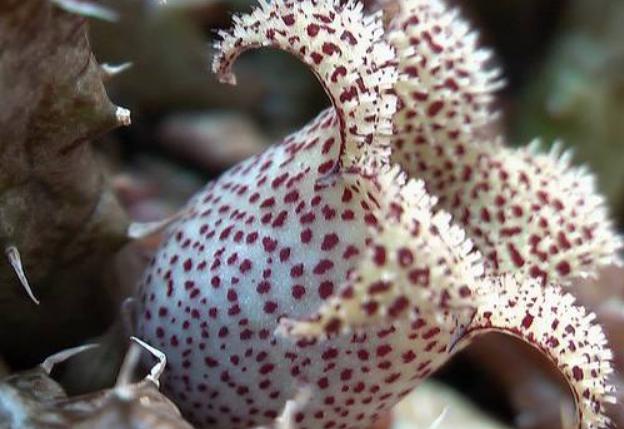
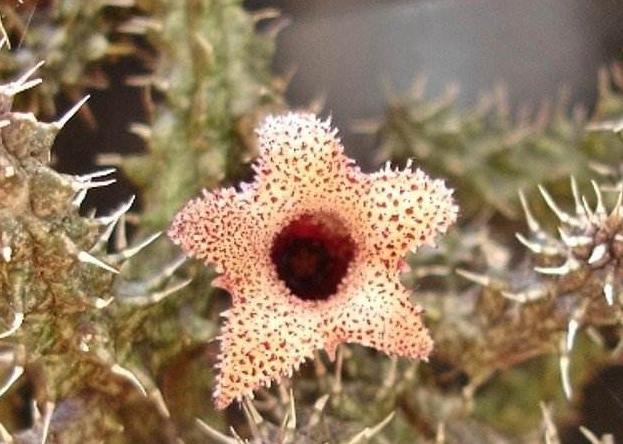
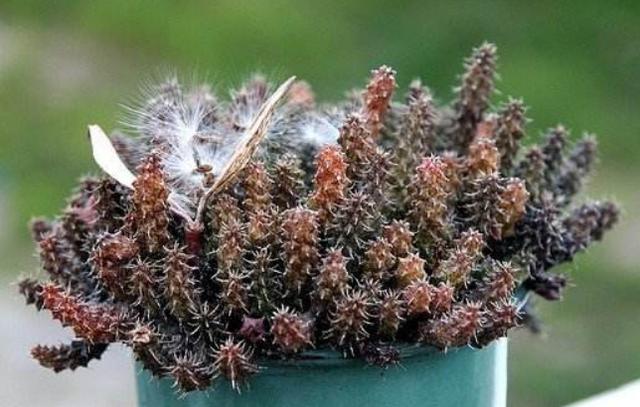
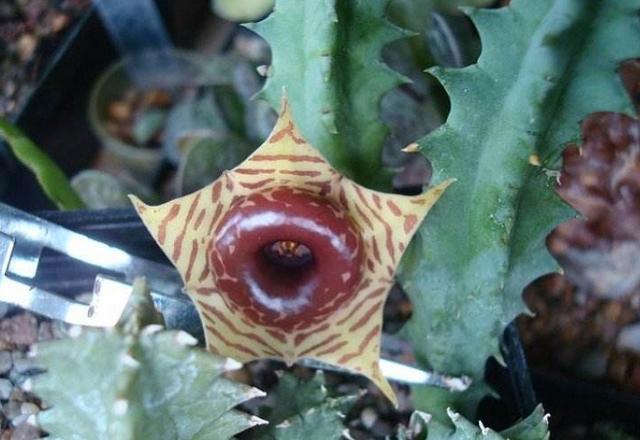
This plant, whose name sounds a little unusual, belongs to the genus Stapelia in the family Apocynaceae, is also known as Re-care Corner, and is native to the tropical regions of Africa. It is a relatively large succulent plant. Its plant body is cylindrical in shape and covered with sharp spines, and its flowers are large and resemble bells and trumpets, covered with leopard-like spots and protrusions.
Before seeing it at the home of a friend who is crazy about flowers, I basically had no great understanding of this drought-tolerant succulent that likes warmth and dryness. Seeing how full of interest I looked, this friend explained its cultivation techniques to me. Now letWarm Little Home Old Gardenerteach everyone.
Temperature: Anemone Milkweed is heat-tolerant but not cold-tolerant, so the most suitable temperature for its normal growth is 15-25 degrees. In summer, when it exceeds 30 degrees, it may enter a semi-dormant state, but it can continue growing if moved to a cool area. In winter, the temperature must not be lower than 10 degrees, as too low a temperature will lead to death.
Watering: This plant has extremely strong drought tolerance. Even in summer, you can wait until its soil is completely dry before watering. During the growing season, watering should follow the principle of watering thoroughly after the soil dries out. Normally, you can sprinkle water around it to keep the air moist, while in winter you can skip watering entirely. This plant has no obvious dormant period, which is also one difference between it and other succulents.
Light: It likes a dry environment with full sunlight, but during the hot high temperatures of summer, attention should be paid to moderate shading. In other seasons, sufficient light can be maintained. Only when it receives enough light can Anemone Milkweed grow healthily and rapidly.
Soil: Like most succulents, the soil mix for growing Anemone Milkweed can generally use a mixture of peat, vermiculite and perlite, and the soil must be kept loose and well-draining. Absolutely no water accumulation is allowed in the pot; it is better dry than wet, as too much water can cause its roots to rot or the entire plant to rot and wither.
Fertilizing: Because its plant grows quickly and is relatively large in size, compared with other succulents it also has somewhat higher fertilizer requirements. When planting, the base fertilizer needs to be thick, and during the growing season fertilizing once a month is generally enough.
Notes:
Anemone Milkweed usually needs to be grown in an environment with good ventilation, and light is also quite important. In addition, its propagation is mainly by seeding and cuttings, and the operation is much the same as for general succulents, so you can refer to those methods.
How much more do you know about the topic of this article? You are welcome to share your views in the comment section below. If you like this article, you might as well subscribe, and there will be more wonderful articles to share with you!