The clever use of gypsum powder in free-range chicken farming, a little chicken-raising secret
When we talk about gypsum, the first thing we think of is construction gypsum, such as gypsum sculptures, chalk, and so on.
In fact, gypsum is divided into many types: construction-use, chemical-use, and also food-grade. For example, the tofu we eat is set with gypsum, of course using a non-toxic and safe food-grade type.
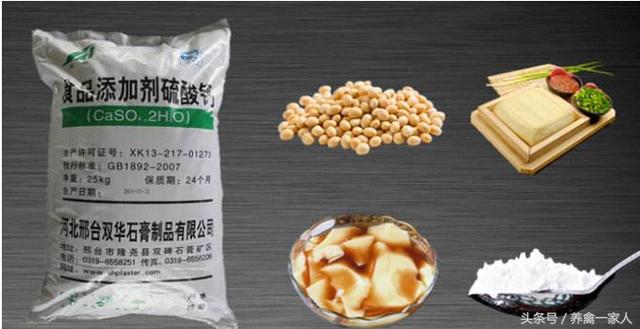
Gypsum is very commonly used in industry and daily life, so what roles does gypsum powder have in agriculture, in the chicken farming industry?
1) Treating feather pecking and vent pecking
The first effect Teacher Xiaolongnu introduces is treating feather pecking and vent pecking. Recently many netizens have asked me about this problem, so today Teacher Xiaolongnu will briefly introduce the causes on this topic. Chicken-raising netizens, please note them down carefully.
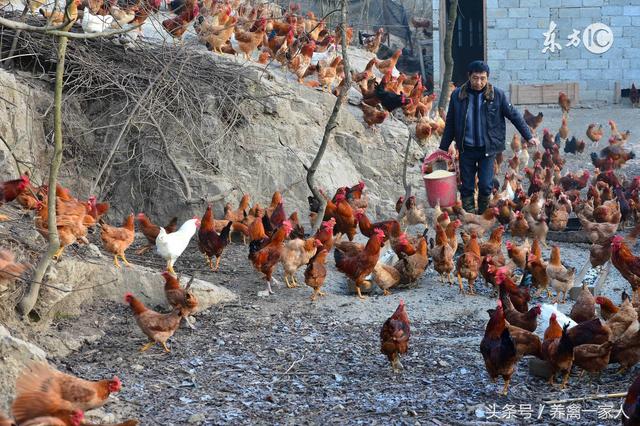
Feather pecking and vent pecking belong to a kind of pica, generally caused by high flock density, stress (sudden feed changes, environmental changes, etc.), deficiency of trace elements (such as multivitamins, sulfur amino acids), excessive light intensity, and so on.
When feather pecking and vent pecking occur, make adjustments according to the actual situation. It is best to isolate the pecked chickens, then add about 2% gypsum powder to the feed and use it continuously for the whole flock for three days.
2) Adjuvant treatment of chicken colibacillosis
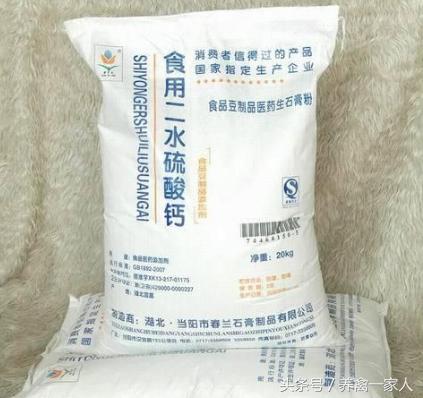
Because edible gypsum has an astringent and tissue-regenerating effect, when the flock suffers from colibacillosis, an appropriate 1%~2% gypsum powder can be added to the flock's feed to assist in treating colibacillosis.
3) Supplementing calcium for hens
When egg production of the flock declines, with increases in soft-shelled eggs, thin-shelled eggs, etc., or when free-range hens peck eggs after laying, these are also signs of calcium deficiency. At this time, if 0.5%~1% gypsum powder can be added to the flock's feed and used together with cod liver oil, the calcium-supplementing effect is obvious.
The above three points are the main effects of gypsum powder, but chicken-raising netizens need to note that you must never buy construction-use gypsum powder by mistake; you must buy food-grade gypsum powder. Remember, remember!
If you want to learn more chicken-raising secrets, you can add Teacher Xiaolongnu's WeChat
Consultations about chicken diseases can also be added, especially for chicken-raising friends within Heilongjiang Province.
Teacher Xiaolongnu also has her own WeChat official account. Chicken-raising friends can search for it themselves: Poultry Family. Teacher Xiaolongnu will continue to devote herself to helping chicken raisers solve more problems.
This article is original by Xiaolongnu. Please indicate the source and author when reposting.
Follow Poultry Family to get more chicken-raising secrets.